
Testing the Viral 2-Ingredient “Japanese Cheesecake”: Biscoff Cookies and Yogurt
A no-cook trend that’s surprisingly close to the real thing
Some of the most enduring internet food trends share a common trait: they’re low-effort, low-stress, and easy to repeat. In a landscape full of complicated “hacks,” the ideas that stick are often the ones that feel almost too simple—until you try them and realize they actually taste good.
The latest viral entry fits that description neatly. A so-called “two-ingredient Japanese cheesecake” has been circulating widely on social media, and it’s as minimal as it sounds: yogurt plus cookies. No baking, no mixer, no water bath, no eggs, and no detailed recipe required. The method is essentially an overnight soak that transforms crisp biscuits into a soft, spoonable layer inside tangy yogurt.
It’s also a trend that can pull double duty. Because yogurt is naturally protein-rich, many people treat it as a make-ahead breakfast. Yet the flavor combination—especially when Biscoff cookies are involved—leans dessert-like enough that it can also satisfy a cheesecake craving when you want something quick.
Why it’s called “Japanese cheesecake” (and why that label can be confusing)
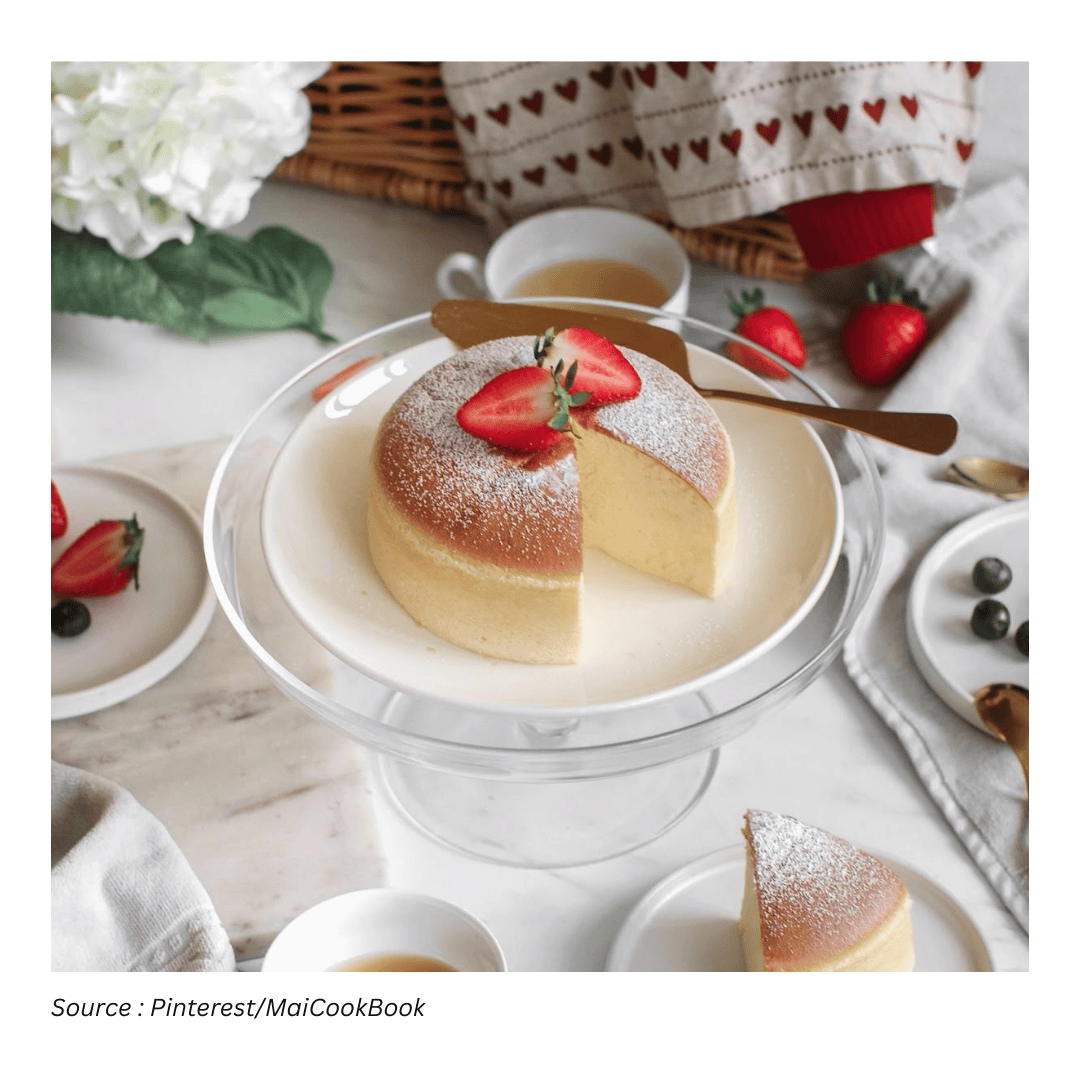
Despite the name used in many posts—“viral Japanese cheesecake” or “Japanese yogurt cheesecake”—this isn’t a close match for the airy, soufflé-style cheesecakes that Japan is known for. The texture and structure are different, and the ingredient list is far simpler than classic cheesecake.
The “Japanese” part is more about where the trend began than what it replicates. The idea first gained traction in Japan, where home cooks shared versions made with sablé-style cookies. Those cookies, when softened in dairy, can create a creamy, cake-adjacent bite that reminds people of cheesecake in a broad, comforting way.
As the trend traveled, American creators often swapped in Biscoff cookies, leaning into their caramelized, spiced profile to push the flavor closer to what many people associate with an American cheesecake crust.
The two ingredients: what to use, and why the details matter
At its core, the trend is simply yogurt and cookies. But because there are only two components, your choices have an outsized impact on the final taste and texture. The good news is that you have flexibility; the important part is understanding what each ingredient contributes.
Cookies: Biscoff is popular for a reason, but you have options
You can technically use any cookie that’s crispy, crumbly, and buttery enough to soften pleasantly after sitting in yogurt. The original versions that circulated in Japan highlighted sablé-style biscuits, which are designed to be tender and rich.
In the U.S., Biscoff has become the go-to because its browned-butter character and warm spice notes deliver something reminiscent of a cheesecake crust—especially the kind people expect from American-style cheesecake. That flavor infusion is a big part of why the trend feels more “cheesecake-like” than it has any right to, given the simplicity.
If you can’t find classic Biscoff, there are workable substitutes mentioned by creators who have tested the method:
Graham crackers, which can provide a familiar crust-like flavor, though with a different spice profile.
Biscoff sandwich cookies, which include layers of cookie butter. These can work well, but they may leave firmer chunks of cookie butter throughout the mixture.
Whichever route you choose, the cookie’s job is to absorb moisture from the yogurt and become soft enough to scoop. That transformation is what turns two separate ingredients into something that feels cohesive.
Yogurt: go thick, go tangy
The second ingredient carries the bulk of the dish, so texture matters. Thicker yogurts are better suited to this trend because they hold their body after the cookies soften, and they create a richer mouthfeel.
Greek yogurt and Icelandic skyr are particularly good choices because they’re thick and tangy. That tang is important: it helps mimic the flavor impression of cream cheese, even though there’s no cream cheese involved.
Both plain and flavored yogurts can work. The key is to choose a flavor that pairs well with Biscoff’s caramelized spice. Vanilla, for example, is an easy match.
Some creators have experimented with blended cottage cheese in place of yogurt. However, that approach adds extra effort because it requires blending, and cottage cheese can be noticeably salty. For a trend built around simplicity, thick yogurt remains the most straightforward option.
How to make it: the simple method that drives the whole trend
The technique is almost as important as the ingredients. Rather than crushing cookies into crumbs or layering them like a parfait, the viral approach is to insert whole cookies directly into the yogurt container and let time do the work.
Here’s the method described by people who have tested it:
Start with your yogurt container. If it’s filled to the brim, remove a few spoonfuls first. The yogurt level will rise as you add cookies.
Insert cookies vertically. Push as many Biscoff cookies as you can into the yogurt, leaving a little space between them.
Err on the cookie-heavy side. Yogurt flavor can be strong on its own, so using more cookies helps ensure you taste the Biscoff clearly in each bite.
Cover and refrigerate. Leave the container in the refrigerator overnight or at least a few hours.
As the cookies sit, they absorb moisture from the yogurt. The crisp biscuits soften into a spoonable texture that makes the whole container feel less like “yogurt with cookies” and more like a unified dessert—or a breakfast treat, depending on how you serve it.
What it tastes like (and what it doesn’t)
It’s worth setting expectations: Biscoff and yogurt don’t taste identical to cheesecake. That’s not a flaw so much as a reality check. Traditional cheesecake typically relies on cream cheese, significant sweetness, and eggs—none of which are present here.
What you do get is a combination that’s creamy and tangy from the yogurt, with spiced, buttery notes from the softened cookies. The softened-cookie effect is familiar in a comforting way, similar to how Nilla wafers turn tender in banana pudding or how Oreos soften after a quick dip in milk.
The result lands “close enough” to cheesecake for many people to find it genuinely satisfying—especially when the cookie flavor is strong and the yogurt is thick and tangy.
Texture tips: how to keep it interesting
One of the most appealing parts of cheesecake is contrast: creamy filling against a crumbly crust. Because this trend involves soaking cookies until soft, you can lose some of that crunch if you don’t plan for it.
A simple fix is to add texture right before serving. Crushing a few still-crisp Biscoff cookies and sprinkling them on top adds a fresh crunch that echoes a crust-like finish and makes each bite more dynamic.
Breakfast-friendly by default, dessert-ready with a small tweak
Another reason the trend has caught on is that it’s not overly sweet. Compared with classic cheesecake—which often depends on sugar for its signature dessert profile—this version is noticeably less sugary. That, combined with the protein you get from yogurt, makes it easier to justify as breakfast or a snack you can prep ahead.
Still, if you want it to lean more dessert-like, there’s an easy adjustment that doesn’t complicate the method: swirl maple syrup into the yogurt before adding the cookies. It boosts sweetness and rounds out the tang, while keeping the overall process quick and low-effort.
Make-ahead convenience: why it works for busy schedules
The appeal isn’t only flavor—it’s also timing. Because the “cooking” is essentially refrigeration, this is a dish you can assemble in minutes and let sit while you do something else. That makes it practical for:
Breakfast prep when you want something ready to grab from the fridge.
Low-lift dessert when you want a sweet finish without turning on the oven.
Last-minute entertaining when you need something that feels special but takes very little active effort.
It’s also forgiving. The method doesn’t demand precise measurements, and the “right” number of cookies is largely a matter of preference—especially since the yogurt’s flavor intensity can vary.
A simple trend that earns its popularity
Not every viral recipe is worth repeating, but this one has a strong case: it’s unbelievably easy, relies on accessible ingredients, and produces a result that’s more than the sum of its parts. The name may oversell the cheesecake comparison, but the experience—tangy, creamy yogurt paired with spiced, buttery softened Biscoff—delivers a dessert-like comfort that’s hard to argue with.
If you approach it as a quick, make-ahead treat rather than a perfect replica of cheesecake, it becomes even more enjoyable. Choose a thick, tangy yogurt, use enough cookies to make their flavor unmistakable, and consider a final sprinkle of crushed crisp cookies for contrast. From there, it’s just time in the refrigerator—proof that sometimes the simplest internet ideas really can live up to the hype.