
Smoked Hot Dogs: A Fast, Flavor-Packed Twist on a Classic
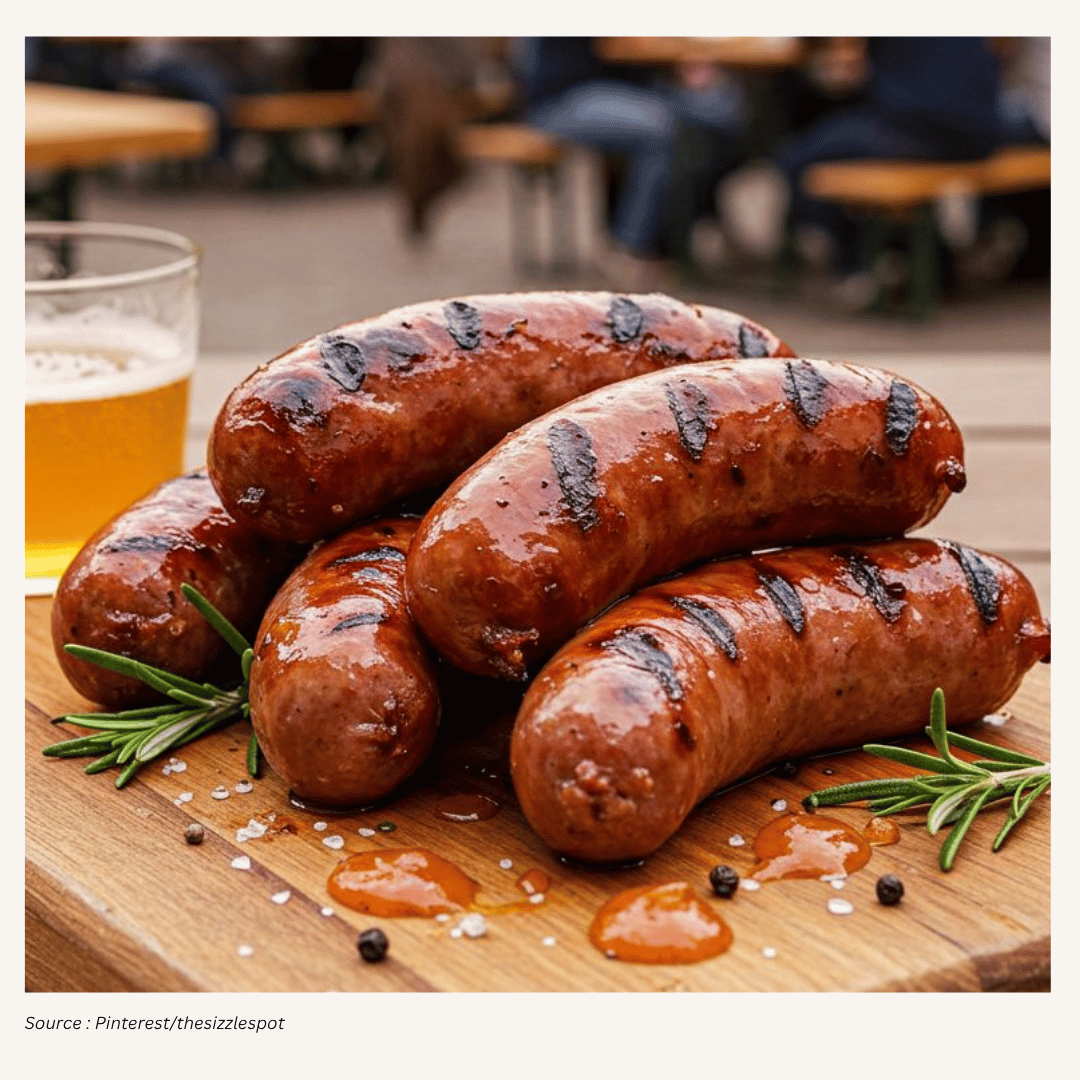
A simple idea that delivers big flavor
Hot dogs are already one of the quickest meals you can make, and they usually live in a familiar world of grills, griddles, and stovetops. Smoking them can sound unnecessary at first—why add time and equipment to something designed to be fast? The answer is flavor. By scoring the surface, coating the hot dogs in a seasoning blend, and cooking them in a smoker, you keep the classic hot dog character while adding a smoky depth that’s hard to replicate any other way.
This approach is also practical. The preparation is minimal, the cook time is relatively short, and the method scales easily from a small batch to however many will fit in your smoker. If you enjoy using a smoker for everything from pulled chicken to pork butt, lobster tails, carnitas, or crispy chicken wings, hot dogs are an easy addition to the rotation—especially on days when you want something fun and low-effort.
Why scoring matters
The technique starts with a small step that makes a noticeable difference: cutting crosshatches into the skin of each hot dog. Scoring does a few things at once. It increases surface area, which helps the seasoning adhere. It also creates edges and grooves that can take on more color and texture during the smoke. And because smoke clings to the exterior, those cuts give the smoke more places to settle, intensifying the overall flavor.
Scoring also helps the hot dogs look more dynamic once cooked. Instead of a smooth, uniform casing, you get a pattern that can open slightly as the hot dog heats, creating a more textured bite. It’s a small detail, but it’s one of the reasons smoked hot dogs can feel “different” even though the ingredient is familiar.
Seasoning: keep it straightforward, focus on coverage
After scoring, the next step is mixing the seasoning spices in a bowl and tossing the hot dogs until they’re coated. The exact ingredient list may vary depending on your preferences, but the key is even coverage. Because the cook is relatively short, the seasoning on the outside plays an outsized role in the final taste.
Think of the seasoning as a way to build a savory crust that complements smoke rather than competing with it. You’re not trying to bury the hot dog’s flavor; you’re aiming to enhance it. Tossing the hot dogs in the spice blend before they go into the smoker ensures the exterior is seasoned from the start, so the smoke and heat can set that layer in place.
Smoking temperature and timing: what to expect
The hot dogs are smoked at 250°F for about an hour, or until they are done. In practice, you’ll often see them reach the target sooner—roughly 45 minutes or so is common—depending on your smoker, how steady it runs, and how many hot dogs you’re cooking at once.
Rather than treating the cook as a strict countdown, the more reliable approach is to cook to temperature. The goal is to smoke the hot dogs until they reach an internal temperature of 155°F. That temperature-based mindset matters because smokers can behave differently from one session to the next. Wind, ambient temperature, and load size can all affect cook time.
If you like extra char, there’s an optional finishing step: increase the heat to 400°F and cook for another couple of minutes. This gives you a more pronounced exterior bite and a look closer to a high-heat grilled hot dog, while still keeping the smoke flavor developed during the lower-temperature phase.
Wood choice: go stronger for a shorter smoke
Because the hot dogs don’t stay in the smoker for a long time, the wood choice can have a big impact. A short cook means less time for smoke to build, so using a stronger wood helps you get a noticeable smoky presence without extending the session.
Recommended options include:
- Hickory
- Mesquite
- Oak
These woods are known for producing a bolder smoke profile, which suits quick-smoking foods. The goal is balance: enough smoke to be clearly present, but not so much that it overwhelms the hot dog or the seasoning on the surface.
Batch size and scaling up
The base recipe is designed for 8 smoked hot dogs, but it scales easily. If you’re cooking for a crowd, you can increase the number as long as they fit in your smoker. The main considerations when scaling are spacing and airflow. You want smoke and heat to circulate around each hot dog, so avoid packing them too tightly together.
Scaling doesn’t require changing the smoking temperature, and the target internal temperature remains the same. What may change is the time it takes to get there, especially if your smoker is heavily loaded. That’s another reason the “smoke to temperature, not time” approach is the most dependable way to cook them consistently.
Equipment considerations: flavor depends on the setup
The equipment you use can influence the final flavor. Because this is a smoked recipe, the goal is to impart smoke character into the hot dogs, and different smokers can do that in different ways. Even when you follow the same basic steps—score, season, smoke—your results can vary based on how your smoker holds temperature, how it moves air, and how cleanly it burns.
What matters most is that your setup can maintain a steady 250°F smoking environment and produce the smoke flavor you’re looking for. If you’re already comfortable smoking other foods, hot dogs are a low-risk way to learn how your equipment behaves during shorter cooks.
Step-by-step method (clear and repeatable)
While full ingredients and detailed instructions are typically organized in a recipe card format, the core process is straightforward and easy to repeat:
- Cut crosshatches on the skin of each hot dog.
- Mix the seasoning spices together in a bowl.
- Toss the hot dogs in the spices until well coated.
- Smoke at 250°F for about an hour, or until the hot dogs reach 155°F internal temperature.
- Optional: for extra char, increase heat to 400°F and cook for another couple of minutes.
This is a quick workflow that’s easy to fit into a weeknight plan, but it also feels special enough for weekend cooking—especially if you’re already firing up the smoker for other items.
Toppings: the fun part (and the debates)
Hot dog toppings are famously personal, and smoked hot dogs don’t change that—if anything, the added smoke flavor gives you more directions to explore. Some people keep it classic; others treat the hot dog like a canvas. Either way, the smoky base pairs well with a range of toppings.
Here are some popular options:
- Mustard
- Ketchup
- Onions
- Relish
- Sauerkraut
- Pickles
- Chili
- Cheese
Because the hot dogs already carry seasoning and smoke, you can think about toppings in terms of contrast. Something tangy (like sauerkraut or pickles) can cut through the richness. Something creamy or melty (like cheese) can soften the edges. Something hearty (like chili) can turn a simple hot dog into a more filling meal.
Serving ideas and sides
A hot dog is a handheld meal by design, and that makes it easy to serve casually. If you like to keep the meal in the same spirit, consider sides that are also easy to eat without much fuss. That said, smoked hot dogs are flexible: they can sit at the center of a simple plate, or they can be part of a larger spread if you’re feeding a group.
The biggest advantage is that the hot dogs themselves don’t demand a lot of attention once they’re in the smoker. That leaves you free to prep toppings, set out condiments, and organize whatever sides you prefer while the smoke does the work.
Storage and reheating
Smoked hot dogs store well, which makes them useful for leftovers. After cooking, you can keep them in an airtight container in the refrigerator for up to 3 days.
For reheating, the oven method is simple and consistent: place the hot dogs in a 350°F oven for 5–10 minutes, or until warmed through. This approach heats them evenly and helps preserve the texture you built during smoking, especially if you finished them with a brief high-heat char.
Practical tips for consistent results
Even with a straightforward recipe, a few practical habits can improve consistency from batch to batch:
- Prioritize internal temperature: aim for 155°F rather than relying on a fixed time.
- Use a stronger wood: hickory, mesquite, or oak can help deliver noticeable smoke during a short cook.
- Don’t overcrowd the smoker: leave space so smoke can circulate around each hot dog.
- Decide on your finish: keep them as-is for a smoked profile, or briefly raise the heat to 400°F for extra char.
These small choices help you tailor the outcome: more smoke-forward, more char-forward, or balanced somewhere in between.
Where smoked hot dogs fit in a smoking routine
One reason this method is appealing is how it fits into a broader smoking routine. Many smoked dishes—pulled chicken, pork butt, and other barbecue staples—take hours. Smoked hot dogs, by contrast, can be ready in under an hour and still deliver that signature smoke character.
That makes them useful in a few scenarios: when you want to use the smoker without committing to a long cook, when you need a quick crowd-pleaser, or when you’re already smoking other foods and want an easy additional item that won’t complicate timing. They’re also a good option for anyone who enjoys experimenting with smoke flavor but wants a forgiving, low-stakes ingredient to practice on.
A classic with a smoky upgrade
Smoked hot dogs don’t try to reinvent the hot dog—they simply deepen what people already like about it. Scoring adds texture and helps seasoning stick. A short smoke at 250°F builds flavor without turning the cook into an all-day project. Stronger woods like hickory, mesquite, or oak ensure the smoke comes through, and an optional high-heat finish can add extra char when you want it.
From there, it’s all personal preference: toppings, condiments, and how you serve them. Whether you keep it simple with mustard or pile on onions, relish, and cheese, the smoked base gives you a richer starting point—and a quick way to make an everyday food taste like it came from a dedicated barbecue session.