
Beef Biryani: A Layered, Aromatic Indian-Inspired Rice Dish
Why beef biryani stands out
When people think of big, bold flavor, Indian-inspired cooking often comes to mind because it leans on layered spices, slow-simmered sauces, and deeply aromatic ingredients. Biryani is one of the most recognizable examples of that approach: a rice dish assembled in layers with spices and fried onions, traditionally made with chicken but adaptable to other proteins.
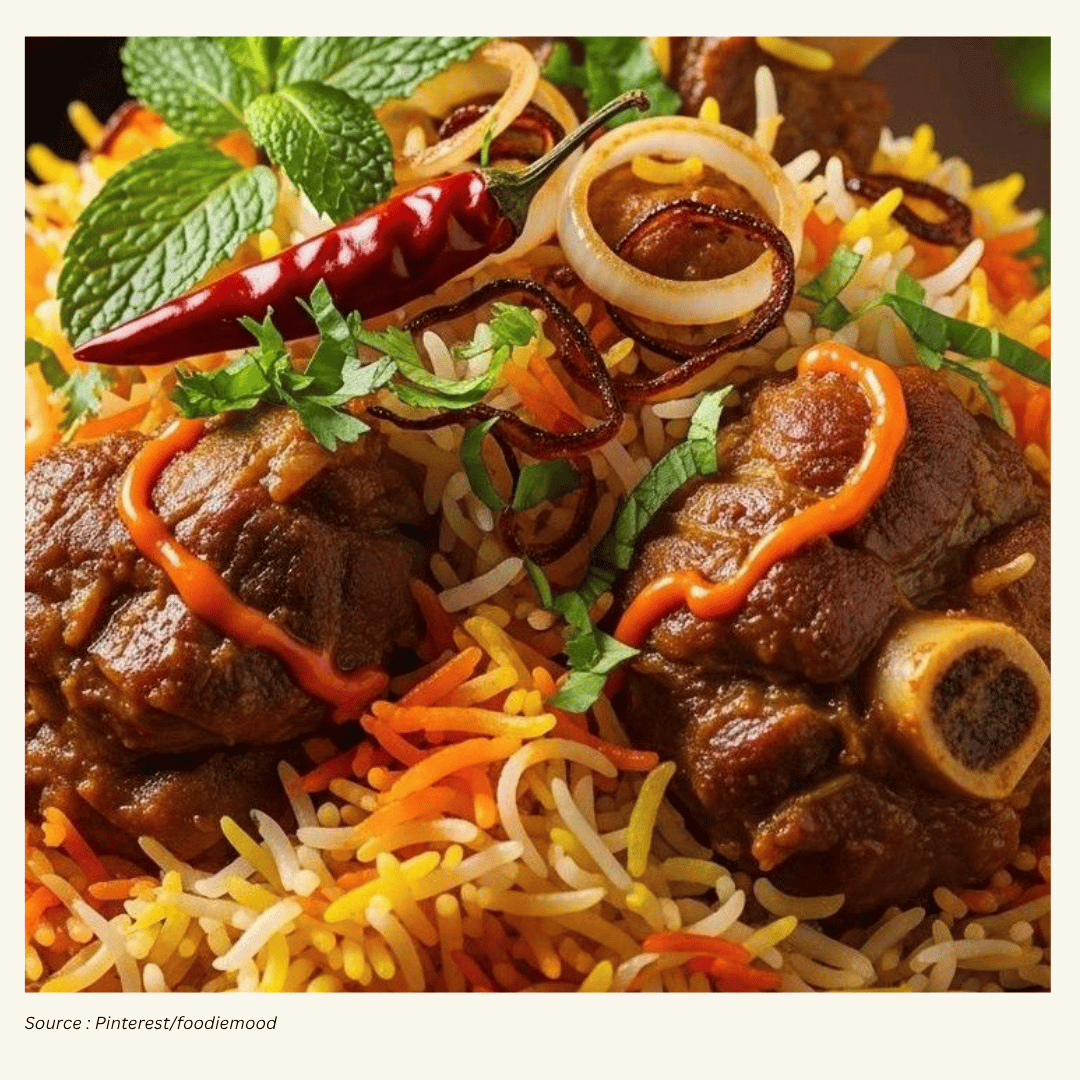
This beef biryani keeps the hallmark structure—sauce, meat, rice, and a final bake—while switching the protein to beef. The result is a dish with melt-in-your-mouth beef, fluffy rice, and the unmistakable aroma of spices and caramelized onions. It’s the kind of meal that feels celebratory, yet it’s still approachable when you follow the steps in order.
What biryani is (and what makes it different)
Biryani is a layered rice dish known for combining rice, spices, and fried onions with a protein. While chicken is common, biryani can also be made with lamb or fish. In this version, beef takes center stage, simmered until tender and then baked with partially cooked rice so the flavors mingle as the dish finishes in the oven.
That layering is key. Rather than stirring everything together from the start, the components are built in stages: a richly flavored beef mixture on the bottom, rice on top, and a final layer of caramelized onions. After baking, everything is mixed together before serving—so you still get the visual and aromatic payoff of the layers, plus an evenly seasoned final dish.
Flavor profile: aromatic, warm, and balanced
Despite biryani’s reputation for intensity, this beef biryani is described as not spicy. Instead, it has a gentle warmth—enough to taste the spices clearly, but not the kind of heat that makes you sweat. That makes it a good option for a range of diners, including those who prefer flavor without a strong kick.
The dish also relies on contrast: tender beef against fluffy rice, savory sauce against sweet notes from caramelized onions and raisins, and the richness of butter and yogurt balanced by the structure of the rice.
Core components at a glance
- Beef: browned first, then simmered until tender.
- A blended sauce: made in a food processor and set aside before cooking begins.
- Butter and onions: used to caramelize onions, which become a signature topping.
- Raisins: added to the onions after caramelizing for a subtle sweetness.
- Spices: stirred into the simmering sauce to build aroma and depth.
- Yogurt and beef broth: added to create a rich, spoon-coating base and provide liquid for simmering.
- Rice: briefly cooked in broth, then drained while still underdone so it finishes in the oven.
Exact ingredient amounts and full instructions are typically kept in a recipe card, but the method itself is straightforward when you treat it as a sequence of stages: blend, caramelize, brown, simmer, par-cook, layer, bake, and serve.
Step-by-step method (with the “why” behind each stage)
1) Blend the sauce and set it aside. The process begins by combining sauce ingredients in a food processor. Doing this first is practical: once the stovetop steps begin, you’ll be moving quickly from onions to beef to simmering, and having the sauce ready prevents delays.
2) Caramelize the onions in butter, then add raisins. In a Dutch oven over medium heat, butter is melted and onions are cooked until caramelized. This step is more than just softening onions; caramelization builds sweetness and deep flavor that becomes a defining part of biryani. Once the onions are caramelized, raisins are added, reinforcing that sweet-savory balance.
3) Brown the beef. With the onions handled, additional butter is heated over medium-high heat and the beef is browned. Browning adds depth and helps the beef hold its own against the spices and rice. After browning, the beef is removed so the pot can be used to develop the sauce without overcrowding.
4) Simmer the sauce, then build richness with spices, yogurt, and broth. The prepared sauce goes into the pot and is brought to a simmer. Spices are added, followed by yogurt, some beef broth, and the browned beef. The mixture then simmers for an hour. This hour-long simmer is where the beef becomes tender and the sauce becomes cohesive, coating the meat and setting the stage for the final layered bake.
5) Par-cook the rice in broth, then drain while still underdone. While the beef simmers, rice is cooked in broth for about five minutes. At that point, it will still be raw inside, and that’s intentional. The liquid is drained, and the rice is reserved for layering. This method ensures the rice doesn’t overcook and turn mushy during baking; instead, it finishes gently in the oven while absorbing steam and flavor from the beef mixture below.
6) Layer the dish: beef mixture, rice, caramelized onions. Once the rice is drained, it’s added on top of the beef mixture. The caramelized onions (with raisins) are then placed over the rice. This layering mirrors classic biryani technique and helps distribute aromatics across the top, where they perfume the dish as it bakes.
7) Bake to finish. The assembled biryani is baked at 350°F for 30 minutes. Baking is the final integration step: the rice finishes cooking, the aromas intensify, and the layers settle into a unified dish.
8) Mix and serve. After baking, the biryani is mixed together and served. Mixing at the end is important because it combines the seasoned beef and sauce with the rice so each serving gets a balanced share of meat, rice, onions, and spices.
Rice timing: the detail that protects texture
One of the easiest ways to miss the mark with biryani is overcooking the rice. Here, the rice is cooked briefly—about 4 to 5 minutes if you’re using the traditional method of boiling it like pasta—then drained on time. The rice will still be undercooked when drained, but it finishes in the oven as the dish bakes.
That timing is not a minor detail. Draining on time keeps the grains intact and helps deliver the “fluffy rice” texture that biryani is known for, rather than a soft, collapsed consistency.
Equipment notes: why the pot matters
The equipment you use can influence the final result. A Dutch oven is used here for a reason: it handles caramelizing onions evenly, browning beef at higher heat, and then transitioning into a steady simmer and oven bake. Using one vessel for multiple stages also helps keep flavor in the pot, which is especially valuable in a dish built on layered aromatics.
How to customize without losing the biryani spirit
As with most home recipes, there’s room to switch things up if needed. Biryani itself is often adapted by changing the protein—chicken is common, but lamb or fish are also used in other versions. This recipe demonstrates that flexibility by using beef, delivering a hearty variation while keeping the recognizable biryani structure of spices, rice, and fried onions.
Because the dish is assembled in layers and finished in the oven, the method is forgiving in the sense that the final bake helps the components come together. The key is to preserve the core technique: caramelize the onions, simmer the beef in a spiced sauce until tender, par-cook the rice, and bake to finish.
Serving ideas
Beef biryani is a complete dish on its own, combining protein and rice in one pot. Still, it pairs well with simple sides that complement its warmth and aroma. Homemade naan is a natural match, and cooling accompaniments like onion raita also work well. If you want something fresh and crisp alongside the rich rice and beef, a kachumber-style salad is another good option.
- Serve with homemade naan for scooping and dipping.
- Add onion raita for a cool contrast.
- Pair with a kachumber salad for freshness and crunch.
Storage and make-ahead practicality
This dish is well-suited to leftovers. Stored in an air-tight container, leftovers keep in the refrigerator for 2 to 3 days. For longer storage, beef biryani can be frozen for up to 3 months, making it a practical cook-once, eat-later option.
Because biryani is mixed before serving, leftovers tend to reheat as a cohesive rice dish rather than separate components. The spices and onions remain present throughout, which helps the dish stay flavorful even after chilling or freezing.
A calm approach to a “special occasion” dish
Biryani can look elaborate, but this method breaks it into manageable stages. You prepare a sauce, caramelize onions, brown beef, and let the pot do the work during the simmer. While that happens, you par-cook rice briefly, then assemble and bake. The oven finish at 350°F for 30 minutes is a reliable way to bring everything together without constant stirring.
The final result is an aromatic beef biryani with tender beef, fluffy rice, warm spices, and a top layer of caramelized onions and raisins—rich enough for a gathering, yet structured enough to be achievable in a home kitchen.