
Smoked Short Ribs: A Simple Low-and-Slow Dinner With Big Flavor
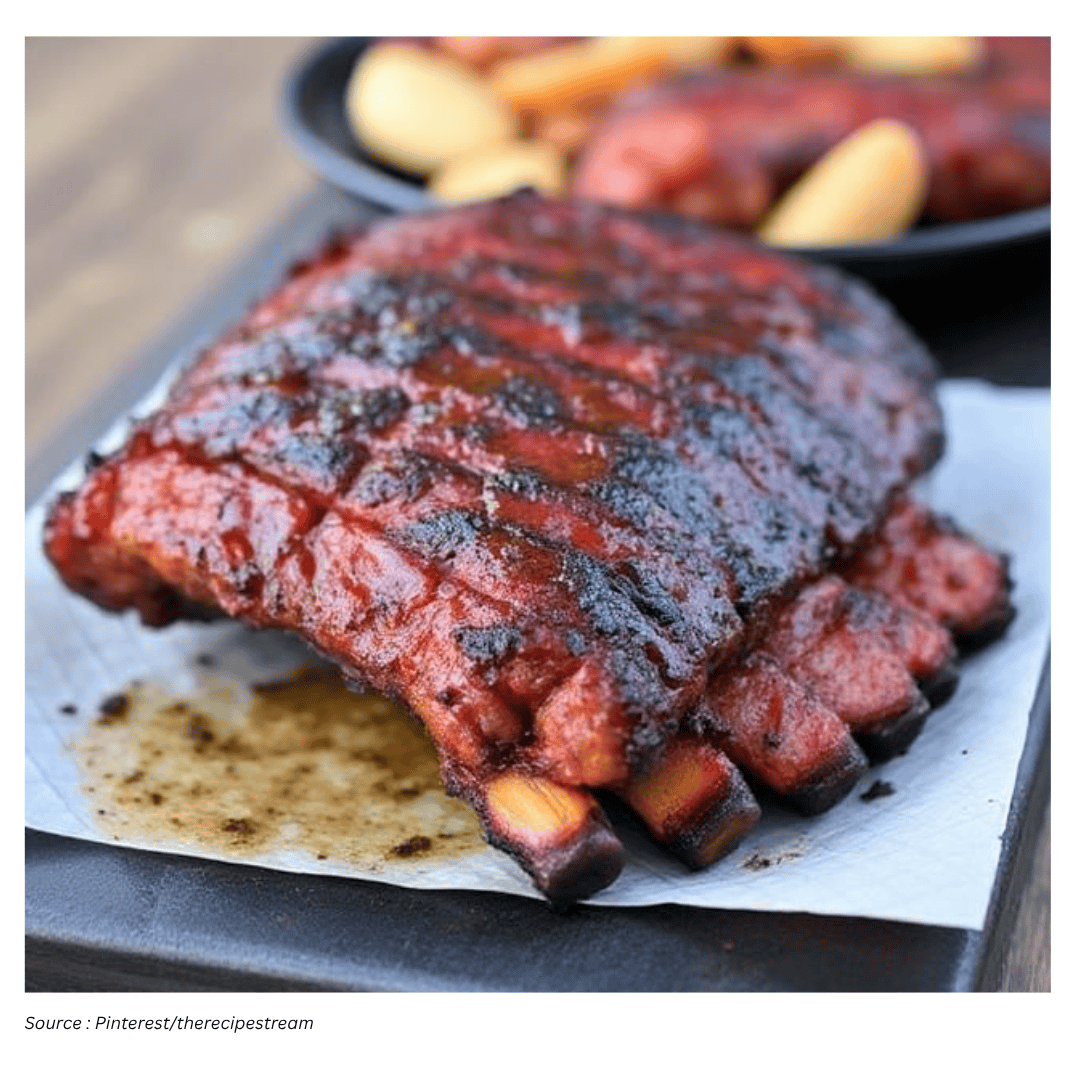
A comfort-food cut that shines on the smoker
Short ribs have a way of turning any meal into comfort food. They’re known for their beefy flavor and rich marbling, and when cooked properly they become exceptionally tender—often described as “melt in your mouth.” For many home cooks, short ribs are a go-to for slow cooking, often braised until soft and succulent. But smoking short ribs is a different kind of reward: the same tenderness, paired with deep, savory smoke and a flavorful bark on the outside.
This approach is designed to be practical. With a simple rub and a steady smoker temperature, the cooking process is mostly hands-off. It’s also a dish that fits nicely into a holiday rhythm, when beef-centered meals often take the spotlight. The schedule is straightforward: prep in the morning, let the smoker work through the day, and serve in the evening without hovering over the stove.
What makes smoked short ribs so appealing
Smoked short ribs bring together a few qualities that are hard to beat. First, the cut itself is naturally suited to long cooking. The marbling and connective tissue break down slowly, producing a juicy, tender bite when the ribs are cooked to the right internal temperature. Second, the smoker adds depth—hours of low-and-slow heat create a rich, smoky exterior and a satisfying contrast between bark and tender meat.
Another advantage is flexibility. These ribs pair well with a wide range of sides, and you can tailor the smoke profile by choosing different woods. Whether you prefer bold smoke or something milder and slightly sweet, the method stays the same.
Ingredients and planning notes
The full ingredient list is typically organized in a recipe card format, but the core idea is simple: short ribs, olive oil, and a dry rub mixed from a handful of spices. The rub is mixed in a bowl, then applied after the ribs are lightly coated with olive oil to help the seasoning adhere.
Because smoking is a longer process, it helps to plan around time rather than rushing to a finish line. Thickness and size can influence the total cook, so internal temperature is the most reliable guide. In general, short ribs smoked at 225°F commonly take about 5–6 hours, depending on thickness.
Step-by-step method (rub, smoke, spritz)
This process follows a clear sequence, built around steady heat and minimal interference early on.
- Step 1: Mix the rub. Combine the rub ingredients in a bowl until evenly blended.
- Step 2: Trim and season. Trim the fat cap and remove any silver skin from the top of the short ribs. Coat the ribs with olive oil, then rub the spice mixture over the exterior.
- Step 3: Smoke low and slow. Place the short ribs in the smoker at 225°F and smoke for 3 hours without opening the lid.
- Step 4: Spritz and finish. After 3 hours, begin spritzing the ribs with apple cider vinegar every hour. Continue until the internal temperature reaches 205°F.
The early “no peeking” period matters. Leaving the lid closed for the first three hours supports consistent heat and smoke circulation, helping the ribs develop their exterior bark. Once spritzing begins, you’re introducing a small amount of moisture regularly while the ribs continue to climb toward the target internal temperature.
Temperature targets: when they’re truly done
For smoked short ribs, don’t rely on time alone. The most dependable indicator is internal temperature, measured with a thermometer. These ribs are considered done when they reach an internal temperature between 205°F and 210°F. That range is associated with tender results—exactly the “fall-off-the-bone” or “slice like butter” texture people look for with this cut.
If you don’t have a thermometer, there’s still a practical doneness cue: the ribs should be so tender you can slice through them easily, with very little resistance. Still, internal temperature is the clearest benchmark, especially because thickness can change the timeline.
Why trimming matters (fat cap and silver skin)
Trimming is a small step that can make a noticeable difference in texture. Removing excess fat cap helps the rub contact the meat more directly, and it can also improve the final bite. More importantly, silver skin should be removed when present. Silver skin becomes chewy and tough when cooked, which works against the tender texture you’re aiming for.
Many short ribs are pre-trimmed, so you may not need to do much. If the silver skin is still there, a sharp knife helps: slip the blade between the silver skin and the meat, then slice it away carefully.
Choosing wood: bold smoke or mild sweetness
Wood choice is one of the easiest ways to customize smoked short ribs without changing the core recipe. For a bold, smoky flavor, hickory, oak, or mesquite are popular options. If you prefer a milder smoke with a slightly sweet edge, fruitwoods like apple or cherry are often used.
The key is to pick a profile you enjoy and keep the cooking temperature steady. The rub and the long cook do the rest.
To wrap or not to wrap: understanding the “Texas Crutch”
Wrapping short ribs partway through the cook is an optional technique sometimes called the Texas Crutch. The idea is to wrap the ribs in foil or butcher paper after about 3–4 hours. This can help retain moisture and may speed up cooking.
However, wrapping can also soften the bark. If you prefer a thicker, more pronounced bark, you can skip wrapping and let the ribs continue unwrapped. Either approach can work; it comes down to your preferred balance of bark texture and cooking efficiency.
Serving ideas and side pairings
One of the most convenient things about smoked beef short ribs is how easily they fit into a full meal. They’re rich and savory, so they pair well with sides that can either complement that richness or provide contrast. A favorite pairing is goat cheese polenta, which matches the ribs’ comfort-food character while offering a creamy counterpoint.
Beyond that, the ribs are described as going with “pretty much everything,” which makes them a flexible option for gatherings. Whether you’re serving a holiday dinner or a weekend meal, you can build the plate around what you already like to cook and eat.
A practical timeline for the day
Because this is a low-and-slow recipe, it helps to think in blocks of time rather than minute-by-minute steps. The ribs spend the first three hours smoking undisturbed at 225°F. After that, you spritz every hour until the internal temperature reaches 205°F. Depending on thickness, the total cook commonly lands around 5–6 hours at 225°F.
This structure makes the recipe feel manageable. You do the trimming and seasoning up front, then let the smoker take over. The spritzing step adds a quick check-in each hour, but it doesn’t require constant attention.
What to expect in flavor and texture
When smoked to the proper internal temperature, short ribs deliver a tender texture that’s hard to replicate with faster methods. The exterior develops deep, savory notes from the rub and smoke, while the interior stays juicy. The result is the kind of dish that feels special without being complicated—especially appealing when you want a centerpiece that can cook mostly unattended.
It’s also the kind of recipe that tends to win over a crowd. The method is described as “super easy,” and the end result is the sort of meal that people remember: rich, smoky, and satisfying.
Key takeaways for consistent results
- Keep the smoker at 225°F for a steady low-and-slow cook.
- Don’t open the lid during the first 3 hours to support bark development.
- After 3 hours, spritz with apple cider vinegar every hour as the ribs finish.
- Cook to temperature, not just time: aim for 205–210°F internal.
- Trim silver skin when present to avoid chewy, tough texture.
- Choose wood based on preference: hickory/oak/mesquite for bold smoke, apple/cherry for milder sweetness.
- Wrapping after 3–4 hours is optional and can affect bark thickness.
A versatile beef dish for holidays or any season
Smoked short ribs are often associated with warm-weather cooking, but there’s no requirement that a smoker only comes out in summer. This is a “set it up and let it go” kind of meal—ideal for days when you want something hearty and impressive without spending the entire afternoon actively cooking. With a simple rub, a steady 225°F, and attention to internal temperature, you can produce tender smoked short ribs with deep flavor and a satisfying, savory finish.