
Top Chef Winner Tristen Epps Reimagines Doro Wat as a Bold, Comforting Chicken Chili
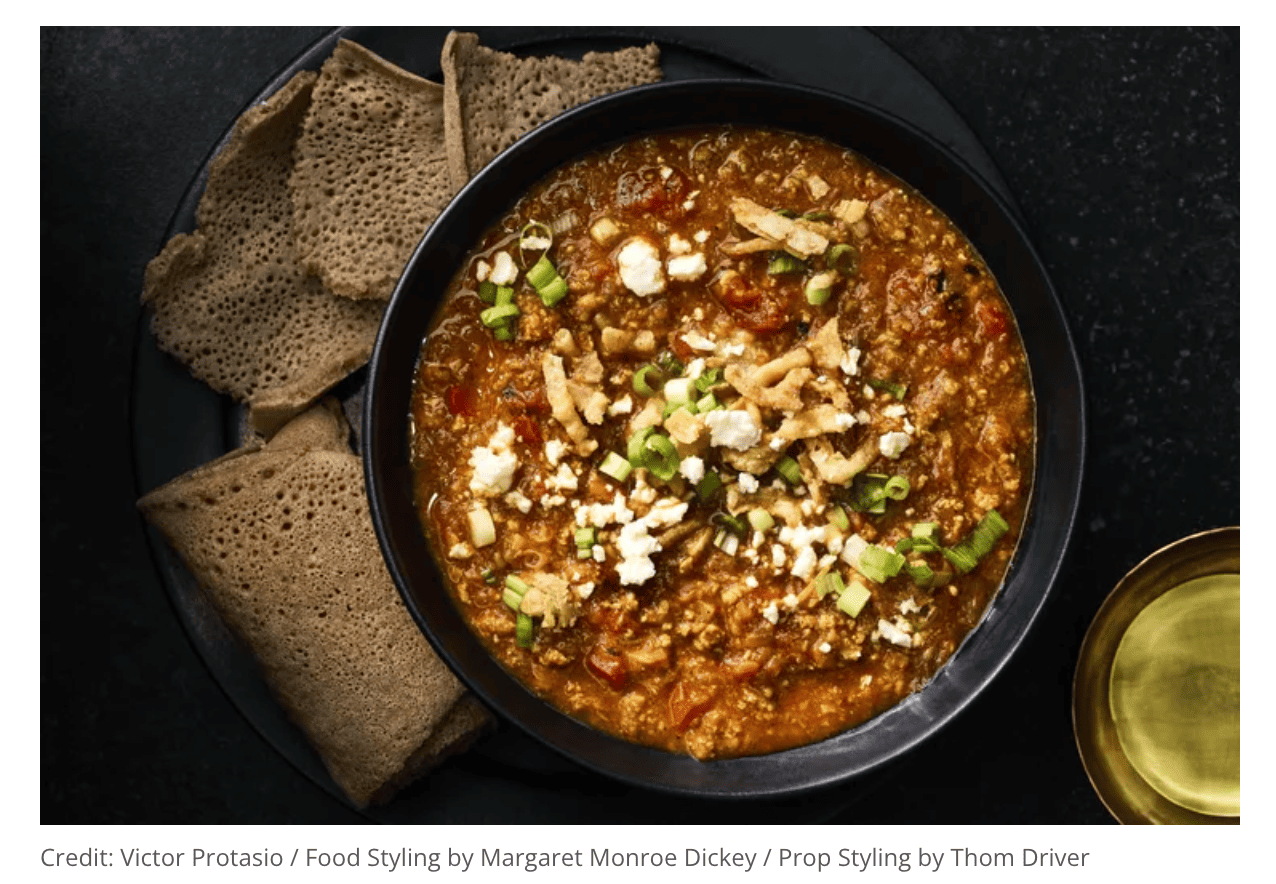
A doro wat-inspired chili that keeps the soul of the original
This chicken chili takes inspiration from doro wat, a popular Ethiopian chicken stew known for its richly spiced, fragrant base. In this reimagined version, the signature onion-and-tomato foundation remains central, but the format shifts into a bowl of chili made with ground chicken. The result is comfort-forward and hearty, with bold seasoning and a deep, gently sweet onion backbone.
Chef Tristen Epps—winner of Top Chef season 22 and a James Beard-nominated chef recognized for Afro-Caribbean flavors and globally inspired cooking—developed this recipe as a way to translate doro wat’s character into a different, equally satisfying form. Instead of chicken legs or drumsticks simmered in the traditional stew, ground chicken is used to create a spoonable, chili-like texture while still highlighting the same aromatic and spice-driven profile.
Why ground chicken matters here
The choice of ground chicken is not just a convenience; it shapes the texture and richness of the final dish. The recipe emphasizes using ground chicken with plenty of fat content. If you can find 100% dark meat ground chicken, that’s the preferred option. If not, a mix of white and dark meat works well too. The goal is a chili that feels full and satisfying, rather than lean and dry.
To get the right consistency, Epps recommends breaking the ground chicken into small crumbles with a whisk as it cooks. This technique helps distribute the meat evenly throughout the onion-and-tomato base, so each spoonful delivers both texture and flavor without large clumps.
The flavor foundation: red onions and niter kibbeh
At the heart of this chili is a base of pureed red onions cooked slowly in niter kibbeh, a spiced clarified butter. The onions are processed with a small amount of water until very finely chopped, then cooked in stages. First, they cook over medium-high heat until they begin to stick, concentrating sweetness and moisture. Then, with the remaining niter kibbeh added, they continue cooking over medium-low until they become meltingly tender and begin to fry and brown.
This long onion cook is key to the dish’s depth. It builds subtle sweetness and complexity before the spices and tomatoes even enter the pot. The recipe also notes that you can add additional niter kibbeh as needed—one tablespoon at a time—if the mixture looks dry during the second stage of cooking.
Spices and aromatics: berbere, ginger, and more
The chili’s bold personality comes from a combination of aromatics and spices that meld into the tomato-onion base. Fresh ginger is added along with garlic (and bell pepper, as written in the method) to bring brightness and warmth. Then tomato paste and a set of seasonings are cooked briefly until fragrant, helping the spices bloom and integrate.
Berbere is central to the flavor profile. Alongside it, garlic powder and onion powder reinforce the savory backbone. The overall effect is described as earthy, spicy, and flavor-packed—designed to deliver the kind of depth associated with doro wat while still reading as a comforting chili.
What berbere is, and how to think about it
Berbere is a seasoning blend commonly used across Ethiopia and Eritrea, often used to season stews and meat dishes. It’s made with dried chiles, garlic, onion, and a variety of other herbs and spices. In this recipe’s framing, berbere brings moderate heat with earthy notes and a slight sweetness—an ideal match for the deeply cooked onions and tomatoes.
If you’re looking to buy it, berbere is available at many specialty spice shops, Ethiopian grocery stores, or online. Beyond this chili, it can also be used as a rub for meats like beef or lamb, or stirred into lentils or beans when you want an extra burst of flavor.
Finishing touches: creamy, crunchy, and fresh
Garnishes are not an afterthought in this bowl. The chili is finished with crumbled feta cheese, crispy fried onions, and thinly sliced scallions. Together, they add contrast: feta contributes a creamy, salty note; fried onions deliver crunch; and scallions bring freshness and lift. These toppings help balance the chili’s richness and spice, and they add texture that keeps each bite interesting.
How to serve it: injera or cornbread
This chili is designed to be served hot and enjoyed as a hearty meal. Like many Ethiopian dishes, it pairs naturally with injera for scooping. Injera is a soft, spongy flatbread made from a fermented teff flour batter. The recipe also recommends serving the chili with cornbread, offering another comforting, scoop-friendly option.
While the chili can stand alone as a one-dish meal, it can also anchor a larger spread. Suggested side dishes include Black-Eyed Peas with Coconut Milk, Roasted Butternut Squash with Spiced Pecans, or Misir Wat.
A beverage pairing idea
For a drink pairing, the recipe suggests a lime-scented, off-dry white wine: Weingut Leitz Leitz Out Feinherb Riesling. The off-dry style can complement spice while the citrus character can brighten the dish’s rich onion-and-tomato base.
Recipe: Doro wat-inspired chicken chili
This recipe was developed by Tristen Epps, and it yields 4 servings at the original scale. Ingredient amounts can be adjusted, though cooking times and steps are intended to remain the same.
Ingredients
- 2 large red onions, coarsely chopped (about 4 cups)
- 1/2 cup store-bought or homemade niter kibbeh, divided, plus more as needed
- 1/4 cup finely chopped garlic (about 12 garlic cloves)
- 2 tablespoons finely chopped peeled fresh ginger (about 1 [2-inch] piece)
- 1 pound ground chicken (white and dark meat)
- 1 (14.5-ounce) can diced fire-roasted tomatoes
- Crumbled feta cheese, crispy fried onions, and thinly sliced scallions, for garnish
Method
- Process the onions with 2 tablespoons water in a food processor until very finely chopped, about 15 seconds, stopping to scrape down the sides as needed.
- Heat 1/4 cup niter kibbeh in a large Dutch oven over medium-high heat. Add the onion mixture and cook, stirring often, until the onion starts to stick to the bottom of the Dutch oven, about 15 minutes.
- Reduce heat to medium-low. Add the remaining 1/4 cup niter kibbeh and cook, stirring occasionally, until the onion is meltingly tender and begins to fry and brown, about 15 minutes. If the mixture looks dry, add additional niter kibbeh, 1 tablespoon at a time.
- Add bell pepper, garlic, and ginger to the Dutch oven; cook, stirring often, until slightly softened, about 2 minutes.
- Add the ground chicken and salt; stir vigorously using a whisk to break the meat into small crumbles. Cook over medium-low, stirring occasionally, until the meat is cooked through but not browned, about 5 minutes.
- Add tomato paste, berbere, garlic powder, and onion powder; cook, stirring constantly, until fragrant, about 2 minutes.
- Stir in chicken stock and diced tomatoes. Reduce heat to low and simmer, stirring occasionally, until the chili is slightly thickened and the flavors meld, about 30 minutes.
- Divide the chili evenly among bowls. Garnish with crumbled feta, crispy fried onions, and sliced scallions. Serve hot with injera or cornbread.
Storage and make-ahead notes
This chili stores well, making it a practical option for cooking ahead. It can be kept in an airtight container in the refrigerator for up to three days, or frozen for up to two months. If frozen, thaw it overnight in the refrigerator before warming on the stovetop over medium-low heat.
What makes this version distinctive
Rather than trying to replicate doro wat exactly, this recipe borrows its most recognizable elements—an onion-forward foundation, a tomato-rich stew base, and the signature presence of berbere—then adapts them into a chili format that’s easy to portion, garnish, and serve with bread for scooping. The use of niter kibbeh adds spiced richness, while the suggested toppings bring crunch, creaminess, and freshness that round out the bowl.
For cooks who enjoy globally inspired comfort food, it’s a thoughtful approach: familiar in structure, but rooted in the flavors associated with an Ethiopian staple. Served with injera or cornbread and finished with feta, fried onions, and scallions, it’s designed to be both bold and deeply comforting.