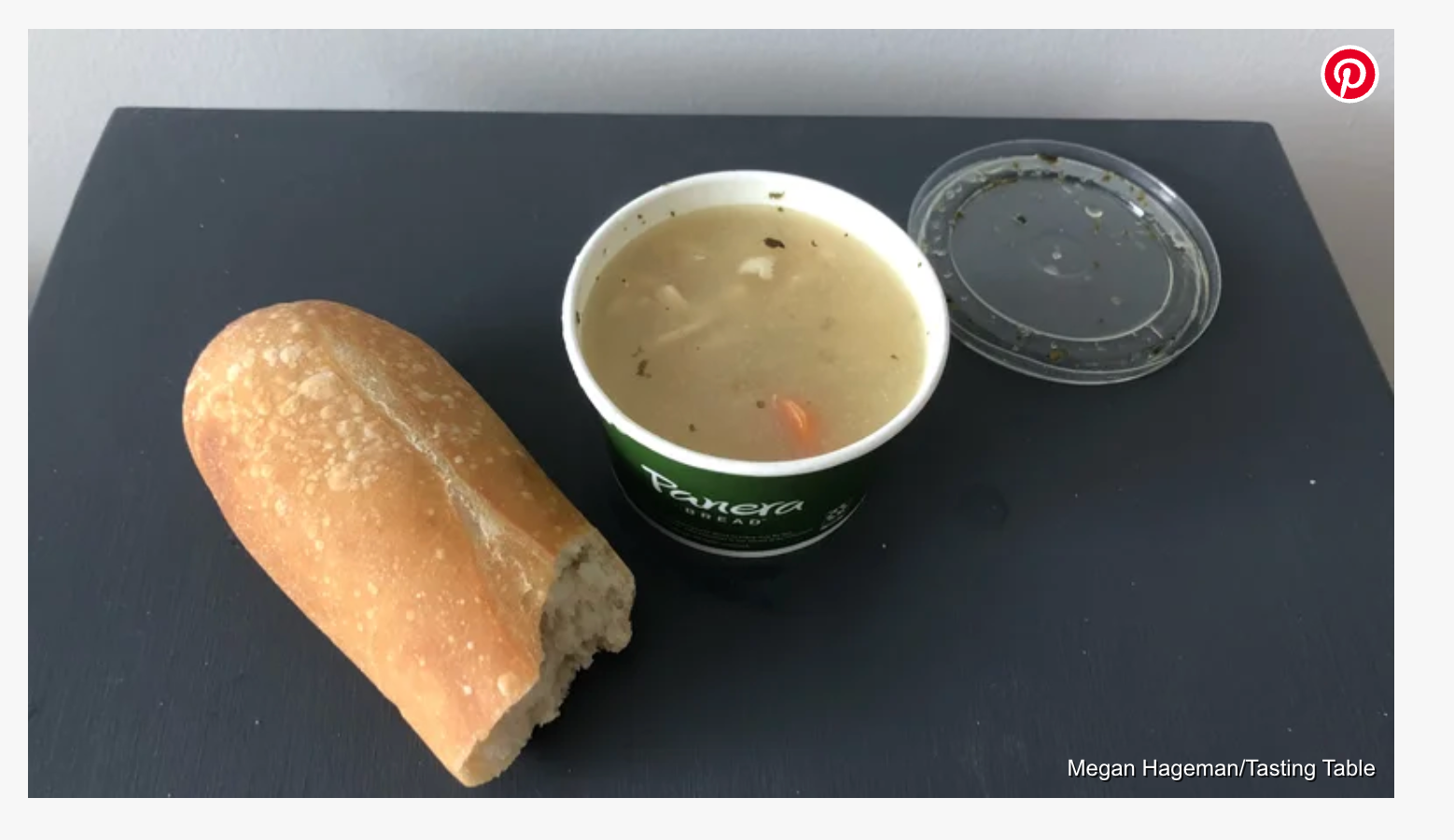
Seven Practical Upgrades That Make Chicken Soup Taste More Alive

Chicken soup: dependable, but not destined to be dull
There are few dishes as universally recognized as a steaming bowl of soup. Set yourself down almost anywhere, and you’re likely to find a version of it nearby—warm, filling, and made to be shared. Chicken soup, in particular, has a reputation for being thrifty, cozy, adaptable, and reliably delicious. It’s the kind of meal many cooks return to when they want something that feels safe.
But “reliable” doesn’t have to mean “routine.” A pot of chicken soup can still surprise you—more aroma in the first spoonful, more savory depth in the broth, more brightness at the end. The difference often comes down to small choices: what you bloom at the start, what liquid you use, how you treat vegetables, and what you add right before serving.
Below are seven smart, practical upgrades that push chicken soup beyond a basic combination of chicken and broth. None of them require special equipment or complicated technique. They simply encourage you to make a few deliberate moves—each one designed to improve flavor, texture, and overall satisfaction.
1) Start with a quick sizzle: bloom dried herbs and spices in oil
One of the most effective ways to build flavor early is also one of the fastest: sizzle dried herbs and spices in oil before you add the rest of your ingredients. Giving them just a minute or two in hot fat helps unlock their full potential. It also helps those flavors travel through the soup, rather than sitting on top or fading into the background.
This step is flexible by design. You don’t need a strict shopping list; you can “shop” your own spice jars. Choose what appeals in the moment and let it steer the soup’s character.
If you want something earthy, you can lean on spices like turmeric and paprika, and even annatto seeds.
If you prefer something more herbaceous, dried rosemary, oregano, and crushed red pepper can take the soup in a different direction.
The point isn’t to overwhelm the soup or turn it into something unrecognizable. It’s to give the broth a more fragrant base right from the start—so the pot smells like something intentional is happening, not just something simmering.
2) Use broth where you might normally use water
A simple bowl of pasta cooked in chicken broth can be a small revelation: it demonstrates how much flavor a modest amount of broth can carry. The same logic applies to soup-making in general. If you use broth—store-bought or homemade—instead of water, you’re essentially building savory, chicken-forward flavor into the pot from the beginning.
This is especially helpful when you’re making a quick soup that doesn’t simmer for long. Long simmering can extract flavor over time, but broth gives you a head start. It helps ensure the finished bowl tastes “savory and chickeny” regardless of how short the cooking time is or what else you add.
In practice, this tip can be as straightforward as replacing water with broth whenever you’re cooking something that will end up in the soup. The goal is consistency: if broth is your default cooking liquid, the soup is more likely to taste cohesive.
3) Treat vegetables as both foundation and substance
Vegetables often play two roles in soup, and recognizing those roles can make your pot more balanced. First, there are the small bits cooked early to build the foundation—think classic aromatics like garlic and onions. Then there are larger chunks added to bulk up the bowl and make it feel like a meal.
Working with both approaches gives you flexibility and helps you use what you already have. Chicken soup is adaptable by nature, and vegetables are one of the easiest ways to make it your own without changing the basic comfort of the dish.
You can draw from a wide range of vegetables and fresh aromatics, depending on what’s in your kitchen. Options include:
Ginger
Lemongrass
Chiles
Mushrooms
Radishes
Squash
The list can keep going, and that’s the point. Chicken soup doesn’t require a rigid set of vegetables to “count.” It can be a practical way to use what’s on hand while still tasting deliberate. The foundation vegetables create depth; the larger pieces add texture and substance.
4) Don’t underestimate the quiet lift of bay leaf
Chicken soup is often described as soothing, and bay leaf helps reinforce that quality in a subtle way. Its flavor isn’t loud like rosemary or oregano. Instead, bay leaf has a soft-spoken herbiness that slips into the background and supports everything else.
It can be useful to think of bay leaf less as a dominant herb and more as an ingredient that behaves like a cooked-down onion: it becomes part of the base. You may not be able to identify it clearly in a finished bowl, but you might notice when it’s missing.
Using a bay leaf (or two) is a small step with an outsized payoff for the overall impression of the soup. It contributes to that “something’s missing” effect when it’s absent, and to a more rounded, calm flavor when it’s present.
5) For quick soup, add cooked chicken at the end—and keep it brief
Chicken soup can be a long game or a fast one. Some cooks start with a whole chicken and simmer for hours. Other days call for something much faster—hungry-right-this-second fast. When speed is the priority, two choices matter: use store-bought broth and use cooked chicken.
Cooked chicken can come cubed or shredded, pulled from a rotisserie chicken or from leftovers. The key is timing. Because the chicken is already cooked, it doesn’t need long in the pot. It only needs three to five minutes in the soup to reheat.
That short reheating window is not a minor detail. Keep the chicken in the hot broth too long, and it can become tough. If you’ve ever had a bowl of soup where the chicken feels dry or stringy, overcooking during reheating is a common reason.
So if you’re building a quick pot, treat the chicken as a finishing component rather than something that should simmer for a long time. Let the broth and vegetables do the cooking, and let the chicken simply warm through.
6) If the soup feels thin, finish with butter for body and sheen
Some days call for softness. Sometimes a soup tastes fine but feels thin, or otherwise lacking in body. In those moments, a small finishing step can change the entire experience: stir in a pat of butter at the end.
Butter melts into the broth and adds richness and a velvet sheen—much like it does in a pan sauce. It can make the soup feel more substantial without turning it heavy. The fat contributes a subtle creaminess, rounding out the flavors and improving the mouthfeel.
This is not about making chicken soup into a cream soup. It’s about giving the broth a little more structure and a more satisfying finish, especially when you want the bowl to feel comforting in a deeper way.
7) Add fresh herbs at the end for brightness—and be generous
Just as a splash of vinegar can enhance chili, fresh herbs can bring out the best in chicken soup’s soft, simmered flavors. The timing matters. Add finely chopped soft-stem herbs at the end so their flavors stay bright rather than muted by prolonged heat.
Good options include:
Cilantro
Dill
Parsley
Chives
This is also an invitation to use what you’ve bought. A small sprinkle can help, but a generous amount can transform the bowl. A practical guideline is around a third of a cup, and you can go up to a full cup if you want the soup to taste especially fresh and lively.
Added at the end, herbs don’t just decorate the soup—they lift it. They make the broth taste more awake, and they create contrast against the deeper, simmered notes that develop in the pot.
Putting it all together: a more intentional pot without extra fuss
These upgrades aren’t meant to turn chicken soup into a project. They’re meant to make the same familiar dish feel more intentional. You can apply one or two when you’re short on time, or stack several when you want the most impact.
Bloom dried herbs and spices in oil to build aroma from the first minute.
Use broth instead of water to keep the soup savory, even with a short simmer.
Use vegetables in two ways—small bits for the base, larger pieces for substance.
Add bay leaf for a quiet, soothing depth you’ll miss when it’s gone.
For fast versions, reheat cooked chicken briefly to avoid toughness.
Finish with butter when the broth needs body and a velvety feel.
End with fresh herbs to brighten the entire pot.
Chicken soup will always be a dependable meal. But with a few small decisions—especially at the start and at the finish—you can make it taste more exciting while keeping everything that makes it comforting in the first place.