
Smoked Pulled Beef: Brisket-Style Flavor With a Chuck Roast
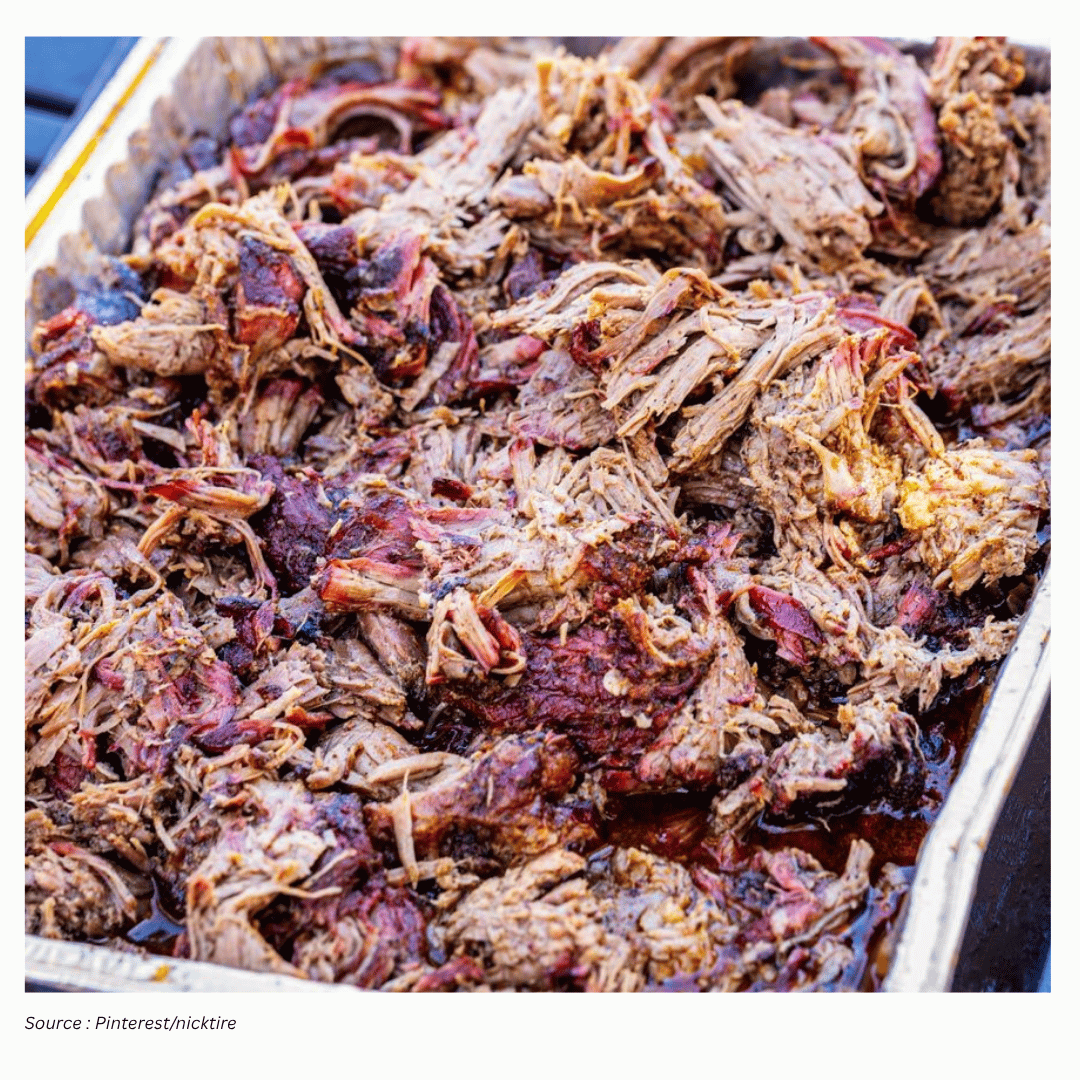
A brisket-style payoff—without the brisket commitment
Smoked recipes have a way of turning a backyard cook into an all-day project—in the best sense. Once you start thinking in terms of smoke and low heat, the list of possibilities quickly grows: smoked beer can chicken, smoked brats, smoked lobster tails, smoked meatloaf, smoked pork loin. The method is flexible, and the flavors can be remarkably deep for such a simple setup.
Still, when many people picture a smoker, they think of classics like pulled pork butt. The appeal is the same every time: low-and-slow cooking that gradually breaks down fat and connective tissue, producing meat that’s tender enough to fall apart with minimal effort.
The same approach works beautifully for beef—especially chuck roast. Chuck is often associated with pot roast and slow cookers, but it’s also an excellent candidate for smoking. Done right, smoked pulled beef can deliver the rich, satisfying flavor profile people often associate with brisket, while avoiding some of the expense and time commitment that brisket typically demands.
Why chuck roast works so well for pulled beef
The goal with pulled beef is straightforward: cook the meat long enough that the collagen and connective tissue break down, then shred it into strands. That transformation is what turns a tough cut into something moist, tender, and easy to pull apart.
There’s no need to reach for premium cuts. In fact, the low-and-slow process is designed for tougher, more affordable beef. Chuck roast is a practical choice, and brisket is another option, but expensive steaks aren’t necessary here. The smoker’s steady heat does the heavy lifting, gradually breaking down the beef until it becomes soft and “melt-in-your-mouth” tender.
Core approach: rub, smoke, spritz, cover, finish
This recipe follows a simple structure that’s common in successful smoked meats: build flavor on the outside, develop smoke during the initial stage, then protect moisture and push the meat through the final stretch until it reaches shreddable tenderness.
While you can adjust seasonings and supporting ingredients to your taste, the method remains consistent. The process relies on a dry rub for the exterior, beef broth for spritzing and moisture, and onions during the covered portion of the cook.
Step-by-step method (as written)
Below is the method described for producing moist and tender smoked pulled beef. The ingredient list for the rub is referenced but not detailed here, as the instructions emphasize technique and temperature targets.
- Make the rub: In a bowl, combine the ingredients for the rub.
- Season the roast: Generously coat the exterior of the chuck roast with the rub mixture.
- Start smoking: Place the chuck roast on the grill grates with the fat side facing up.
- Smoke at low heat: Smoke at 225°F until the internal temperature reaches 165°F, which is noted as approximately 3 hours.
- Spritz during the cook: Spritz with 1 cup of beef broth every hour while it cooks.
- Cover to finish: Transfer the roast to a disposable aluminum foil pan. Add the remaining 1 cup of beef broth and sliced onions. Seal the pan tightly with foil.
- Cook until shreddable: Continue cooking until the internal temperature reaches 202°F.
- Rest, then shred: Let the roast rest for 15 minutes before shredding.
Temperature targets that matter
Smoked pulled beef is less about a strict clock and more about hitting the right internal temperatures at the right stages. Two numbers define the flow of this cook:
- 165°F: This is the point where the roast is smoked on the grates and has taken on smoke flavor, before moving into the covered pan stage.
- About 200–205°F (202°F in this method): This is the range where collagen breaks down enough for the beef to become tender and easy to shred.
Aiming for an internal temperature around 200–205°F is emphasized because it’s the threshold where the connective tissue has sufficiently softened. That breakdown is what changes the texture from sliceable roast to true pulled beef.
How long it takes: a guideline, not a guarantee
One of the most helpful expectations to set with smoked beef is that time can vary widely. A general guideline given is about 2 hours of cook time per pound at 225°F. Using that estimate, a 4 lb chuck roast might take around 8 hours.
But the method also stresses that every cut of meat is different. Some roasts may finish much sooner, while others can take considerably longer. The range mentioned is broad: a cook could be done in as little as 5 hours or take as long as 14 hours. For planning purposes, it’s wise to treat the clock as a rough map—and let the internal temperature and tenderness be the final authority.
Why spritzing and the covered finish help
Two moisture strategies are built into the method:
- Hourly spritzing with beef broth: Spritzing with broth every hour during the early portion of the cook helps maintain a moist surface and adds another layer of beefy flavor.
- Sealing in a foil pan with broth and onions: Moving the roast into a tightly sealed pan with additional broth and sliced onions creates a more protected environment for the final stage. This helps the meat push through to the higher internal temperature target while staying juicy.
Combined, these steps support the end goal: beef that shreds easily because the tissue has broken down, rather than beef that fights back when you try to pull it apart.
Ingredient flexibility and variations
The recipe notes that, as with any dish, you can mix up some of the ingredients. The foundation is the rub plus beef broth and onions, but the approach leaves room for personal preference. The key is to preserve the method: season generously, smoke low and slow, manage moisture, and finish to the proper internal temperature range for shredding.
Because the full ingredient list is referenced as being in a recipe card elsewhere, the most important takeaway here is that the technique can accommodate different rub combinations while still producing the intended texture and smoke-forward flavor.
Equipment choices and smoke flavor
Equipment can significantly influence the final taste. The method highlights that because this is a smoked recipe, you need a setup that can impart smoke flavor. There are multiple options available, and the specific choice of equipment can change the character of the smoke and the overall profile of the beef.
The practical point is simple: regardless of the cooker you use, the goal is consistent low heat and steady smoke so the beef can cook gently until it becomes pull-apart tender.
Resting and shredding: the final step to great texture
Once the roast reaches the target internal temperature (noted as 202°F), it’s rested for 15 minutes before shredding. Resting is treated as part of the process rather than an optional pause. After the rest, the meat should shred easily, reflecting that the connective tissue has broken down enough to produce the tender, strandable texture pulled beef is known for.
Serving ideas: why pulled beef is so versatile
One of the biggest advantages of pulled beef is how many ways it can be used. The recipe underscores that there are plenty of options for serving, beyond just one standard presentation. While only a handful are referenced in the text, the broader message is that pulled beef adapts well to different meals and occasions.
That versatility is also why it works well as a party food: it can be prepared in quantity, held for serving, and paired with a range of sides.
Side dishes and party planning
Pulled beef is described as a great party food, and the logic is straightforward: it’s hearty, shareable, and pairs naturally with “tasty sides.” Specific side options are referenced but not listed in the provided text. Even without a fixed menu, the guidance is clear—plan for sides that complement smoked flavors and help round out the meal.
Storage and make-ahead guidance
Smoked pulled beef also fits well into meal prep and leftovers planning. Storage times are clearly stated:
- Refrigerator: Store in an airtight container for up to 5 days.
- Freezer: Store for up to 3 months.
These storage windows make it practical to smoke a roast when you have the time, then portion and use the pulled beef across multiple meals.
Key takeaways for consistent results
- Choose the right cut: Chuck roast is well-suited to low-and-slow smoking and doesn’t require premium beef.
- Cook to temperature, not just time: Expect variability; aim for 200–205°F for shredding tenderness (with 202°F used here).
- Build moisture into the process: Spritz hourly with beef broth and finish covered with broth and onions.
- Rest before shredding: A short rest (15 minutes) is part of achieving the right texture.
For cooks who love the character of brisket but want a more accessible route, smoked pulled beef made from chuck roast offers a compelling middle ground: deep smoked flavor, tender texture, and a method that’s straightforward once you focus on the temperature checkpoints.