
Rigatoni Bolognese: A Hearty Weeknight Pasta Built for Comfort
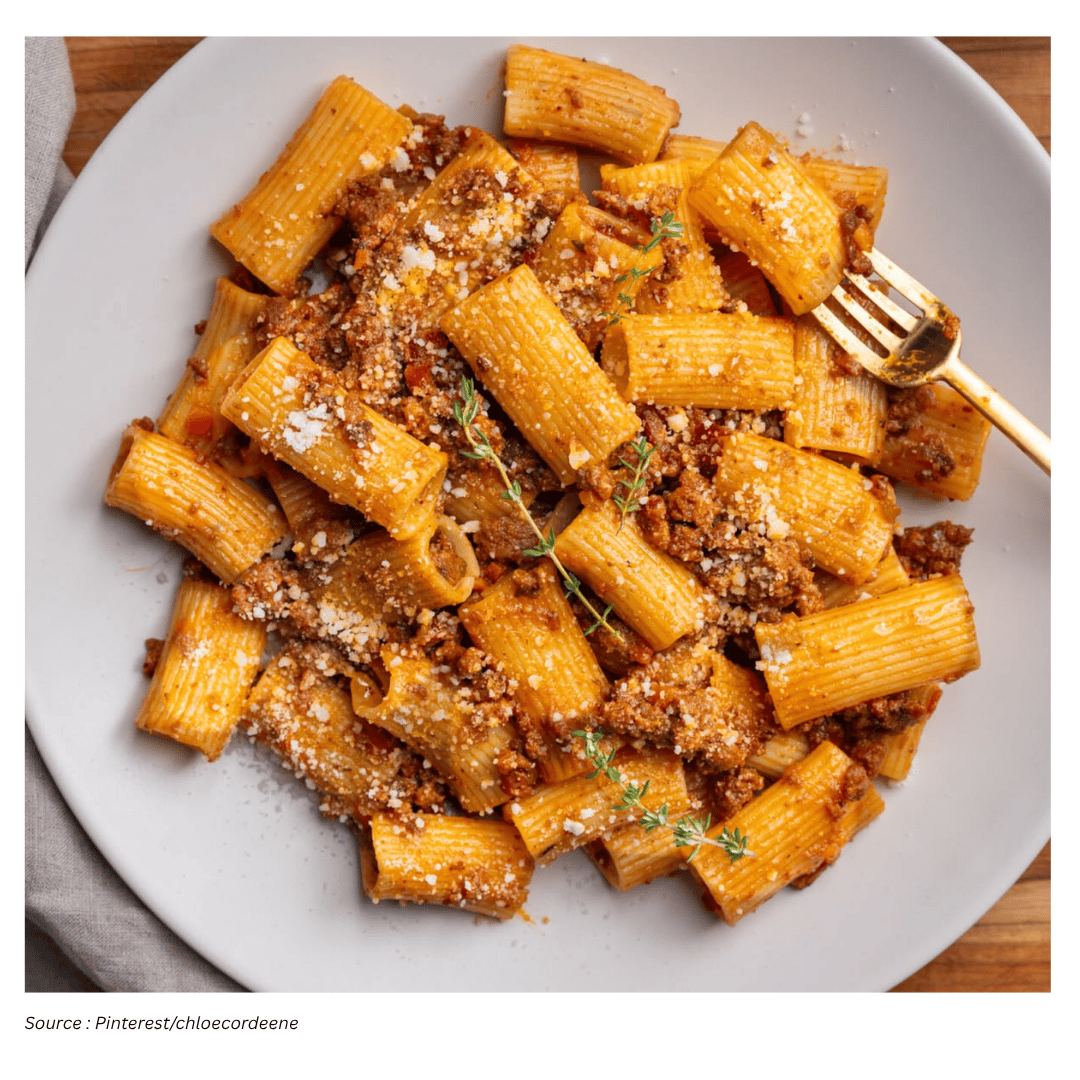
A classic comfort dish that fits a busy schedule
Some meals earn their place in the regular rotation because they deliver comfort without demanding an entire afternoon in the kitchen. Rigatoni bolognese is one of those dishes: hearty, deeply savory, and built around familiar pantry staples. In this version, the sauce comes together in about 45 minutes, making it realistic for a weeknight while still tasting like something you’d happily serve to guests.
Pasta is often the default answer when the goal is a satisfying dinner with broad appeal. There are countless directions you can take it—creamy, garlicky, cheesy, or spicy—but bolognese remains one of the original, enduring favorites. It’s essentially a more elevated meat sauce, with a balance of aromatics, tomatoes, and a finishing touch of dairy for a rounded, comforting texture.
Why rigatoni works especially well with bolognese
Rigatoni isn’t just a swap for spaghetti; it changes how the dish eats. The ridges and hollow shape help the sauce cling to the pasta, catching bits of meat and vegetables in every bite. That’s a major reason rigatoni pairs so well with a sauce as substantial as bolognese. Instead of sliding off, the sauce settles into the grooves and inside the tubes, so the pasta and sauce feel integrated rather than separate.
In other words, if bolognese is known for its hearty, comforting character, rigatoni is a pasta shape that supports that identity. It’s sturdy enough to hold up to a thick sauce and generous enough to carry the flavors all the way through the bowl.
What makes a bolognese sauce different
Bolognese sauce traces its origins to Bologna, Italy, and is defined here as a meat-based sauce that includes tomatoes, wine, and either milk or cream. That last element is important: the dairy component softens acidity and contributes to the sauce’s signature richness.
It’s also useful to understand what bolognese is not. Compared with a typical spaghetti sauce, bolognese is more meat-forward and includes wine and dairy, while spaghetti sauce is often centered primarily on tomatoes and may not include meat at all. The end result is a sauce that feels fuller, deeper, and more substantial—exactly the qualities people tend to crave when they want comfort food.
Ingredient flexibility: how to adapt without losing the soul of the dish
One of the strengths of this rigatoni bolognese is that it’s forgiving. While the recipe is presented as a complete, satisfying version on its own, it’s also described as a dish you can “mix up” depending on preferences or what you have available. That flexibility is part of what keeps bolognese in the “go-to” category: it can be adjusted without turning into an entirely different meal.
The core idea remains consistent—build flavor from vegetables, brown the beef, develop the sauce with tomatoes and seasoning, then finish with nutmeg, basil, and cream before folding in pasta and Parmesan. As long as that structure is respected, small variations can still produce a comforting, familiar bowl.
Step-by-step overview: building flavor in layers
This dish follows a straightforward process, but each stage contributes something specific to the final flavor and texture. The method is less about complicated technique and more about taking a few key steps in the right order.
- Start with vegetables: Blend the vegetables in a food processor. This creates a finely textured base that will melt into the sauce rather than sitting in large chunks.
- Sauté until browned and dry: Cook the blended vegetables in a large skillet with olive oil over medium-high heat. The goal is twofold: develop browning for deeper flavor and evaporate excess water so the sauce doesn’t become diluted.
- Brown the beef: Once the vegetables have cooked down, brown the beef. Browning is a key step for building a savory foundation.
- Add herbs and heat: After the beef is browned, incorporate herbs and crushed red pepper flakes. This introduces aromatic complexity and a gentle background warmth.
- Deglaze with wine: Deglaze the skillet with wine. This step lifts flavorful browned bits from the pan and folds them back into the sauce.
- Build the tomato base: Add tomatoes, tomato paste, salt, and pepper. Bring the mixture to a boil, then reduce heat and simmer for 10 minutes to meld flavors.
- Finish with richness: Stir in nutmeg, basil, and cream. These finishing ingredients round out the sauce and give it a comforting, cohesive character.
- Combine and serve: Fold in cooked rigatoni and Parmesan cheese so the pasta is coated and the cheese integrates into the sauce.
Even with a relatively quick simmer time, the technique of browning vegetables, browning beef, and deglazing helps create a sauce that tastes developed rather than rushed.
Wine in bolognese: optional, but easy to replace
Wine is included in this method because it adds flavor during the deglazing step. However, it’s also noted that wine is not mandatory. If you prefer not to cook with wine, you can replace it with either beef broth or vegetable broth. The purpose remains the same: to deglaze the pan and add liquid that helps bring the sauce together.
This substitution makes the recipe more accessible for different households and cooking preferences, while keeping the overall process intact.
Timing and texture: why the quick simmer still works
Traditional bolognese sauces are often associated with long, slow cooking. This version is designed for a shorter timeline, simmering for 10 minutes after the sauce is brought to a boil and reduced. The tradeoff is addressed through technique: concentrating flavor early by browning the vegetable mixture until excess water evaporates, then browning beef and deglazing the pan.
In practical terms, those steps help create a sauce that feels hearty and comforting without requiring hours on the stove. The final additions—nutmeg, basil, and cream—also contribute to a finished taste that reads as complete and intentional.
Serving ideas: keep it simple or make it a full spread
This rigatoni bolognese is described as “perfect on its own,” which makes sense given how complete the dish is: pasta, meat sauce, and Parmesan all in one bowl. At the same time, it can be served with a variety of sides, depending on the occasion and appetite.
Because the pasta is rich and hearty, many people prefer sides that feel straightforward and supportive rather than competing for attention. If you’re serving guests, adding one or two sides can make the meal feel more expansive while still keeping the pasta as the centerpiece.
Equipment that supports better results
The equipment you use can influence how the recipe turns out, and this method specifically calls for a few practical tools. A food processor makes quick work of blending the vegetables into a fine mixture, which helps them integrate into the sauce. A large skillet is important for sautéing and browning effectively—crowding the pan can trap moisture, which works against the goal of evaporating excess water and developing color.
In a recipe built on layering flavor, the ability to brown vegetables and beef properly is not a small detail. Using a large skillet makes those steps easier and more consistent.
Storing leftovers: fridge and freezer guidance
This dish is well-suited to leftovers, which is another reason it works as a practical comfort meal. Stored in an airtight container in the refrigerator, rigatoni bolognese will last about three days. If you want to keep it longer, it can also be stored in the freezer for up to three months.
For many home cooks, that flexibility matters. It means you can cook once and enjoy the results again without sacrificing the character of the sauce.
Reheating without drying it out
Reheating pasta with a thick sauce can sometimes lead to dryness, especially if the sauce tightens in the fridge. The preferred method here is simple and effective: warm the leftover pasta in a skillet with a splash of water over medium-low heat until heated through. The small amount of water helps loosen the sauce and restore a silky consistency as it warms.
If you’re short on time, the microwave also works. Place the pasta in a microwave-proof bowl with a splash of water and microwave for one minute. Stir, then microwave for another minute or until heated through. That brief pause to stir helps the heat distribute evenly and helps the sauce re-emulsify around the pasta.
How to make it your own while keeping it recognizable
Part of the enduring appeal of bolognese is how reliably it satisfies. This version keeps the process approachable—blend and brown vegetables, brown beef, deglaze, simmer, then finish with cream and cheese—while still leaving room for personal preference. Whether you stick closely to the method or adjust ingredients within the described framework, the end goal stays the same: a hearty, comforting bowl of rigatoni where the sauce clings to every ridge and bite.
Served fresh, it’s a complete dinner. Packed away, it becomes an easy lunch the next day. Frozen, it’s a future meal that can be brought back with a splash of water and gentle heat. That combination of comfort, flexibility, and practicality is exactly why rigatoni bolognese remains a favorite for so many tables.