
Smoked Filet Mignon: Reverse-Seared for a Tender Center and Charred Crust
Why smoke a filet mignon?
Filet mignon is often associated with classic high-heat cooking—quick searing, careful timing, and a watchful eye so the center stays tender and not overdone. Smoking it can feel counterintuitive at first, especially when most people think of smoked dishes as larger, longer-cooking cuts or crowd favorites like chicken wings, pulled pork, or spatchcock chicken.
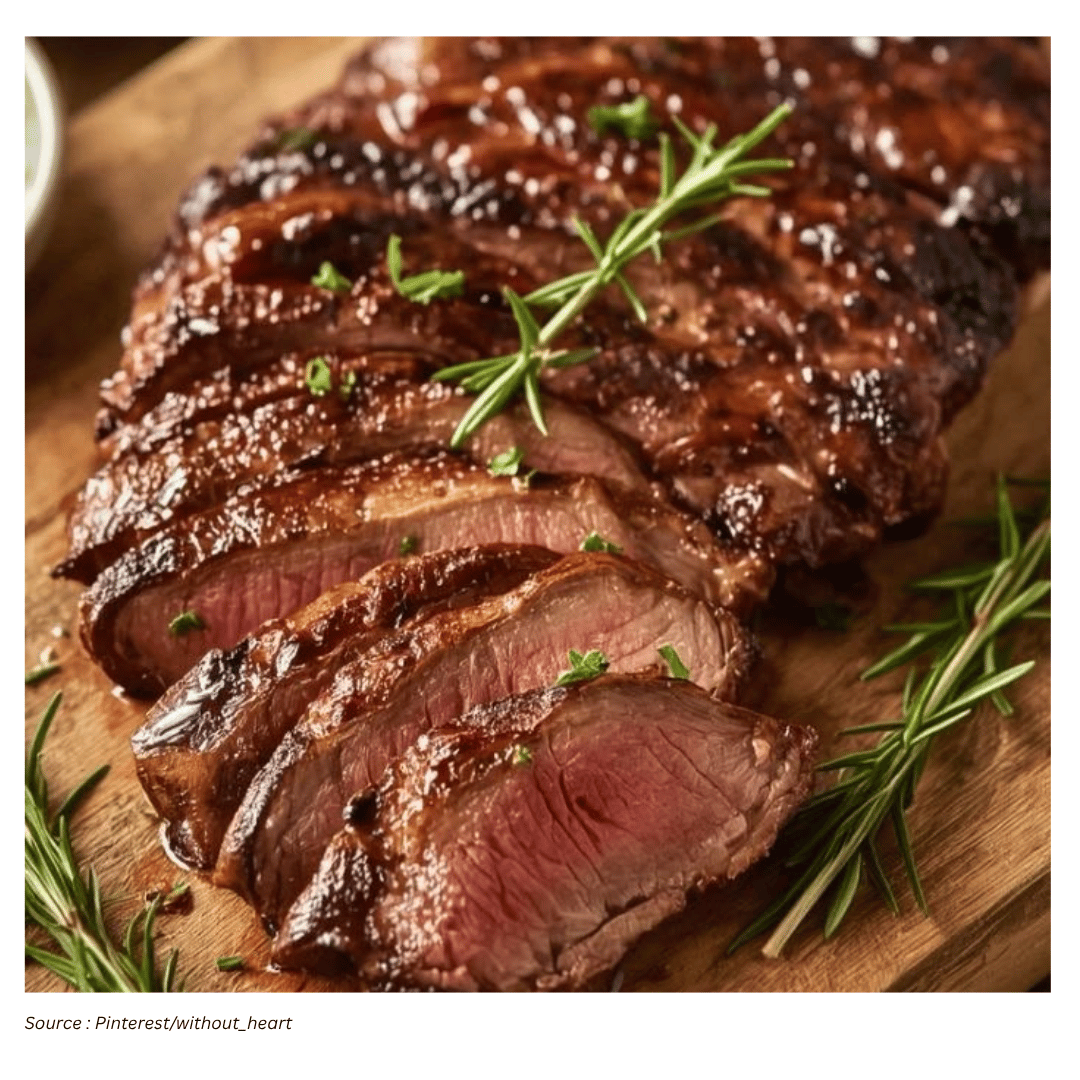
But filet mignon can be an excellent candidate for the smoker, particularly when you use a reverse-sear approach. The main advantage is control: you bring the steak up to temperature slowly at a low smoker setting, then finish with a fast, high-heat sear to create the charred exterior most people expect from a great steak. Done properly, the payoff is a juicy, tender filet with a gentle smoke flavor and a browned crust.
What makes filet mignon different from other steaks?
Filet mignon comes from the middle cut of the tenderloin. It’s known for being exceptionally tender, with a mild flavor and relatively little marbling. That combination makes it versatile: it takes well to simple seasoning like salt and pepper, and it also pairs nicely with sauces or compound butters if you like to finish your steak with an extra layer of richness.
If filet mignon isn’t available, beef tenderloin can be used instead. The cooking concept remains the same: smoke gently to your target internal temperature, then sear quickly to build the crust.
The reverse-sear idea: smoke first, sear last
This method is built around two distinct phases:
- Low-temperature smoking: The steak cooks gradually at 225°F, picking up smoke along the way and heating evenly.
- High-heat finishing sear: Once the steak is close to your desired doneness, you apply intense heat briefly to brown the exterior without overcooking the center.
The result is a steak that can feel almost “set” from edge to edge—tender and evenly cooked—while still having that final seared character on the outside. Several home cooks who tried the method described it as easy, reliable, and worth repeating, with one comparing the low-and-slow smoking stage to the effect of sous vide in terms of even cooking and juiciness.
Seasoning: keep it simple
The core seasoning approach here is straightforward: season the steaks liberally with salt and pepper on all sides. Because filet mignon has a mild flavor, it doesn’t need much to taste great. The smoke and the sear do a lot of the work, and the salt-and-pepper base keeps the final flavor balanced and steak-forward.
Some cooks like to add finishing touches after cooking—such as resting the steak with a garlic compound butter—but the essential method works well even with just salt and pepper.
Smoker temperature and timing
Set your smoker to 225°F. Place the seasoned filets in the smoker and cook them until they are 10°F below your desired final doneness. As a general expectation, this smoking stage can take between 40 minutes and 1 hour, though the most important rule is to cook by internal temperature rather than by the clock.
One key reminder: you smoke to temperature, not time. The time range is only a guideline. Your equipment, steak thickness, and conditions will affect how quickly the internal temperature rises.
Also note that the interior can appear pink from the smoke, which is normal for this method. That color is not, by itself, an indicator of undercooking. Temperature is the reliable reference point.
Choosing wood: go stronger for a short smoke
Because the filet mignon spends only about an hour in the smoker, the guidance is to use a stronger wood to ensure the steak actually takes on noticeable smoke flavor. Recommended options include:
- Hickory
- Mesquite
- Oak
In real-world kitchens, people also use what they have on hand. For example, one cook used apple wood pellets simply because that was available at the time. Another used a hickory/oak blend. The key point is that a more assertive wood can be helpful when the smoking window is relatively short.
Doneness guide: target temperatures
Use the following internal temperature ranges as a doneness guideline:
- Rare: 120°F to 125°F
- Medium-rare: 130°F to 135°F
- Medium: 140°F to 145°F
- Medium-well: 150°F to 155°F
- Well-done: 160°F to 165°F
As an example, if you like a medium steak, you can smoke until the filet reaches around 130°F and then reverse sear to finish. The sear is brief but intense, and it can raise the internal temperature as it builds the crust, so stopping the smoke stage about 10°F early helps you land closer to your final target.
How to reverse sear: three practical options
Once the filet is 10°F below your target, it’s time to sear. You have a few equipment-based options, and the best one is simply the one you can execute confidently and safely.
- Pellet grill with sear plates: Open the sear plates and crank the temperature to 450°F, then char the steaks to finish.
- Gas grill: Preheat to about 450°F and sear the steaks once they’re done smoking.
- Cast iron skillet: Heat a cast iron skillet over medium-high heat and sear the steaks in butter for 1–2 minutes per side.
The cast iron method is especially useful if you don’t have a grill setup for high-heat finishing. It also gives you direct control over the sear, and it’s easy to see the crust develop. Some cooks prefer to use a cast iron pan outdoors—such as on a propane grill—so they can sear without filling the kitchen with smoke.
Step-by-step method (simple version)
Below is the core workflow, summarized in a way that emphasizes the temperature-first logic.
- Season: Season the filets liberally with salt and pepper on all sides.
- Smoke: Place in the smoker at 225°F.
- Monitor: Smoke until the steaks are 10°F from your desired doneness (often 40–60 minutes).
- Sear: Finish with a high-heat sear. If using cast iron, heat the skillet over medium-high, add butter, and sear 1–2 minutes per side.
This approach is designed to deliver both: the gentle smoke character and the steakhouse-style exterior. It’s also flexible—if you prefer to sear on a grill instead of in a pan, you can do so as long as you bring the heat up high enough to brown quickly.
What to expect in flavor and texture
When smoked and reverse seared, filet mignon tends to come out with a very tender bite and a clean beef flavor, supported by a subtle smokiness rather than an overpowering one. Because the smoke stage is relatively short, the wood choice and the consistency of your smoker matter. A stronger wood can help ensure the smoke presence is noticeable, while the finishing sear adds the savory, browned notes that many people associate with a great steak.
Texture is where this method often stands out. With the low-and-slow phase, the steak warms more evenly before it ever hits the high heat. Then the sear is brief—just long enough to build a crust—so the center stays juicy. Home cooks who have tried it often describe it as a new “go-to” way to make steaks because it’s both easy and consistently satisfying.
Equipment notes: smoker choice can change the outcome
The type of equipment you use can have a big impact on the final flavor. Smoking is, by definition, about imparting smoke flavor, so the smoker or grill you use—and how it produces and circulates smoke—will influence the result. Some people use pellet grills, while others use different outdoor cookers capable of smoking and high-heat grilling. Regardless of the brand or model, the method hinges on two controls: maintaining a low smoking temperature around 225°F and having a reliable way to finish with high heat.
One cook reported success smoking filets for about 40 minutes using a hickory/oak blend and then grilling on high for a few minutes per side. Another preferred a cast iron sear and specifically chose to do it outdoors to avoid smoking out the kitchen. These variations highlight the main point: the reverse-sear framework is adaptable as long as you keep the temperature targets and the two-stage process intact.
Serving ideas: classic pairings
When many people think of steak, they think of potatoes. That’s a natural pairing for a filet mignon meal, but it’s not the only option. The steak itself is rich and tender, so sides that complement it—whether hearty or lighter—can work well depending on the occasion and your preferences.
Common pitfalls to avoid
- Relying on time instead of temperature: The smoking stage can take 40 minutes to an hour, but internal temperature is what matters.
- Skipping the “10°F early” rule: Pulling the steaks from the smoker when they’re about 10°F below your target helps prevent overshooting after the sear.
- Not using enough heat to sear: The sear should be hot and quick. Whether you’re using a grill or cast iron, aim for a strong finishing heat (around 450°F on a grill) so you brown without overcooking.
- Worrying about smoke-induced pink color: The steak can look pink from the smoke. Use internal temperature to judge doneness.
A practical takeaway
Smoked filet mignon doesn’t need to be complicated. The most reliable version is built on a few repeatable steps: season simply, smoke at 225°F until you’re close to your target temperature, then reverse sear quickly to develop a crust. With that approach, you can get the tenderness filet mignon is known for, plus a subtle smoke layer and the charred finish that makes the steak feel complete.
If you’re used to smoking larger cuts, this is a useful reminder that smoking isn’t limited to long cooks. Even a relatively quick smoke—when paired with a proper sear—can produce a steak that feels both special and achievable on a weeknight or for a celebration meal.