
Slow Cooker Beef Ragu With Pappardelle: A Comforting, Make-Ahead Pasta Dinner
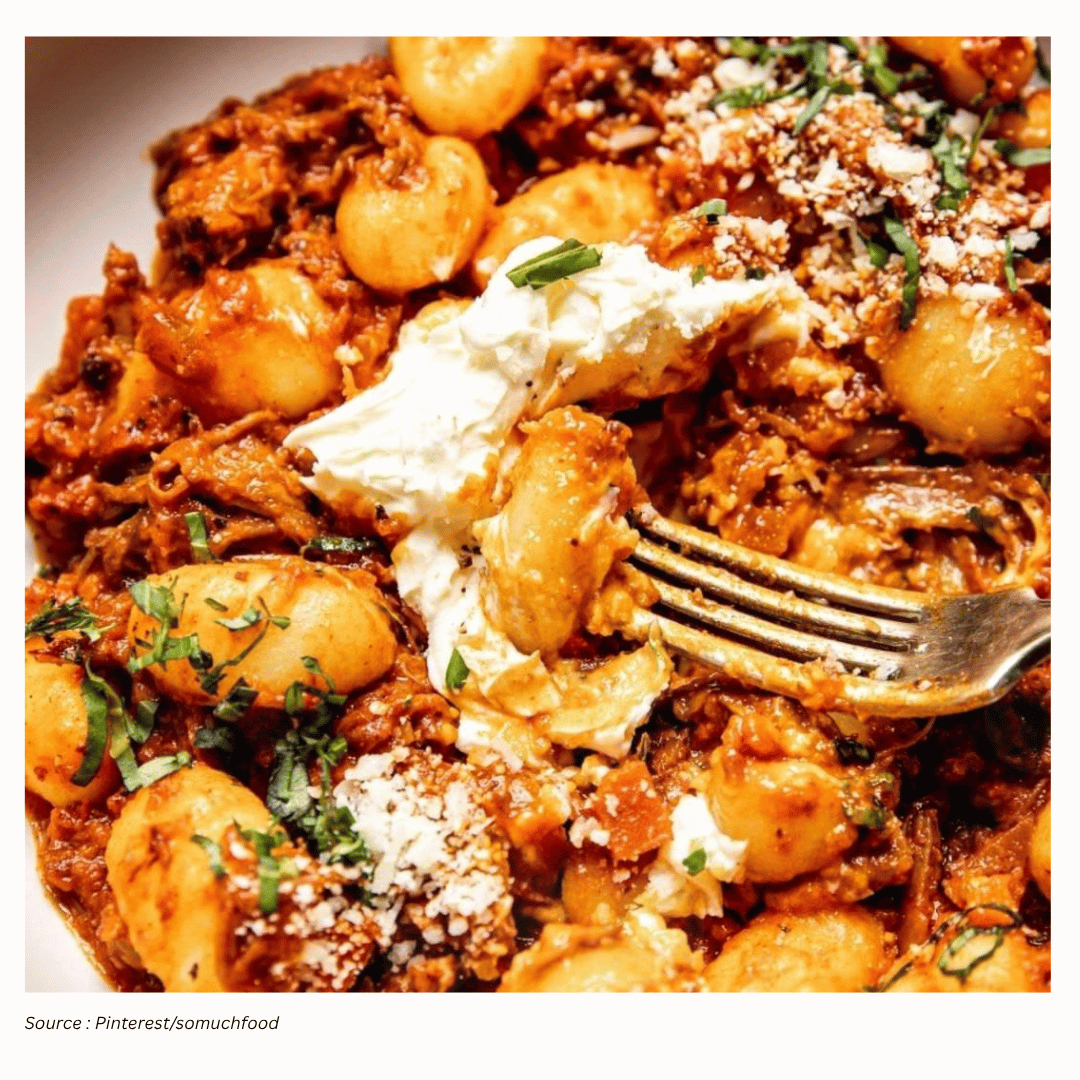
A slow cooker pasta sauce that tastes like you worked all day
Some comfort pasta dishes are hard to refuse, whether it’s a quick weeknight bolognese, a baked rigatoni-style casserole, or a garlicky chicken parmesan-inspired pasta. But when the goal is an easy dinner that still feels substantial and full of flavor, slow cooker beef ragu earns a spot near the top of the list.
The appeal is simple: you can put the main components into the slow cooker in the morning and come back to a dinner-ready sauce later that day with minimal effort. The result is a tomato-based meat sauce where the beef becomes tender enough to shred, turning a typically tough cut into something that feels luxurious once it’s tossed with pasta.
It’s also a practical recipe for households that like to plan ahead. This ragu makes plenty, meaning leftovers are part of the deal. You can refrigerate what you’ll eat soon or freeze the rest for an easy future meal.
Why slow cooking matters for beef ragu
This dish is built around a cheaper cut of beef—one that can be chewy and tough if cooked quickly. That’s exactly why the slow cooker is so useful here. Long, gentle heat breaks down the meat over time, producing the “fall-apart” texture that makes ragu so satisfying. In fact, the finished pot can feel like it’s more meat than sauce—in the best way.
The slow cooker approach also helps with consistency. Instead of needing constant attention, the ragu develops over hours while you go about your day. When it’s time to eat, you shred the beef and stir it back into the tomato-rich mixture, creating a hearty sauce that clings to noodles and tastes deeply comforting.
Choosing the right beef: keep it affordable
Because the slow cooker does the heavy lifting, there’s no need for premium cuts. The point is to take a budget-friendly roast and let time transform it. Chuck roast is a standout choice here, and brisket works well too. Either way, the long cook time is what turns the beef tender and easy to shred.
This is one of those recipes where the method matters more than the price tag. With the right cut and enough time, the finished dish can taste like it cost far more than it did.
Ragu vs. bolognese: what’s the difference?
Ragu is a meat-based sauce that includes tomatoes, a mirepoix, and red wine. Bolognese is a version of ragu. It originated in Bologna and is often made with white wine and fewer tomatoes. In other words, the two are closely related, but this slow cooker version leans into the tomato-and-red-wine style that many people associate with a classic ragu.
Ingredients and flexibility: easy to adapt without losing the spirit
This is a “family staple” style of recipe—comforting, repeatable, and forgiving. While the full ingredient list and exact measurements belong in a dedicated recipe card, the overall structure is straightforward: seasoned beef, a homemade tomato-based sauce, and pasta for serving.
It’s also a dish you can customize. The core idea is slow-cooked beef in a rich tomato sauce, but you can mix up the supporting ingredients to suit what you have on hand or what your family prefers.
- Pasta shape: nearly any pasta works, from spaghetti to fettuccine to ziti.
- Serving base: if you want a change from pasta, you can serve the ragu over polenta (including a goat cheese polenta option).
- Vegetarian approach: a meatless version is possible using plant-based alternatives such as crumbled tempeh or tofu, along with vegetable broth and dairy-free options for creaminess.
The recipe’s flexibility is part of its charm: the method stays the same even when the details shift.
Step-by-step overview: how the slow cooker beef ragu comes together
This cooking process is designed to be approachable. The main steps are: sear, slow cook, shred, boil pasta, and combine.
- 1) Sear the beef: Season the beef and sear it in a skillet until browned on all sides. This step adds flavor before the long simmer.
- 2) Build the slow cooker: Add the seared beef to the slow cooker along with the remaining sauce ingredients.
- 3) Cook low and slow: Cook on high for about 6 hours, or on low for 8–10 hours.
- 4) Finish the sauce: Discard the bay leaves, then shred the beef and stir it back into the sauce.
- 5) Cook pasta and save water: Cook your pasta and reserve about 3/4 cup of pasta water before draining.
- 6) Combine for the right texture: Add the pasta back to the pot, then add the beef sauce and reserved pasta water. Stir until everything is well combined and glossy.
That final step—using reserved pasta water—helps the sauce and noodles come together into a cohesive dish rather than feeling like separate components.
Why pappardelle is a standout choice
You can serve this ragu with almost any pasta, and it will still be satisfying. But pappardelle is especially well suited to a thick, meat-forward sauce. The wide, flat noodles soak up the sauce and hold onto the shredded beef, giving you a bite that feels balanced and substantial.
That said, the best pasta is often the one you already have. If your pantry says spaghetti, fettuccine, or ziti, the ragu will still deliver.
Ricotta and finishing touches: a simple way to elevate the bowl
One optional flourish is whipped ricotta. The approach is simple: whip ricotta in a food processor until smooth, then spread a layer in the bottom of the pasta bowl before spooning the ragu and noodles on top. It’s an easy restaurant-style touch that adds a creamy contrast to the rich tomato meat sauce.
To finish, you can add Parmesan cheese and parsley if desired. These final additions are small, but they can brighten and round out the dish at the table.
Wine in ragu: depth of flavor, with an alternative if you need it
Wine is described as a key ingredient for giving this ragu depth of flavor. A practical guideline is to use a wine you’d actually drink; the flavor matters, and going extremely cheap can show in the finished sauce.
If you prefer not to cook with wine, you can substitute stock instead—beef stock or chicken stock both work as alternatives while keeping the sauce rich and savory.
Instant Pot option: another path to the same comfort
While the slow cooker is the main method here, the same recipe can also be made in an Instant Pot. That’s useful for days when you want the result but don’t have the lead time for an all-day simmer. The core idea remains the same: tender beef in a tomato-based sauce served over pasta.
Storage and leftovers: built for meal prep
This ragu is particularly friendly to leftovers. Stored properly, it holds up well for repeat meals and can be portioned for future dinners.
- Refrigerator: about 3 days in an airtight container.
- Freezer: up to 3 months.
Because the recipe makes a generous amount, freezing is a natural next step. It’s an easy way to turn one cooking session into multiple low-effort meals later.
How to freeze it: before cooking or after cooking
There are two practical ways to freeze this ragu, depending on whether you want a ready-to-cook kit or a fully cooked sauce.
- Freeze ahead (before cooking): Sear the beef, let it come to room temperature, then place all ingredients into a zip-top bag. Lay it flat in the freezer so it freezes efficiently and stores neatly. When you’re ready, thaw overnight in the fridge and put it in the slow cooker in the morning.
- Freeze after cooking: Let the cooked ragu come to room temperature, then transfer to a zip-top bag or airtight container and freeze for up to 3 months.
Either method keeps the focus on convenience: do the work once, then make future dinners easier.
Reheating leftovers: keep it saucy
Leftover pasta dishes can dry out if reheated without a little moisture. A small splash of water helps bring the sauce back to life.
- Skillet method (preferred): Place leftover pasta in a skillet with a splash of water. Heat on medium-low until warmed through.
- Microwave method: Put leftovers in a microwave-safe bowl with a splash of water. Microwave for 1 minute, stir, then microwave for another minute (or until heated through).
That extra splash of water is a small step that makes a noticeable difference in texture.
Serving ideas: make it a full meal
Beef ragu with pasta is satisfying on its own, but it also fits easily into a larger dinner spread. The dish can be served with a variety of sides, depending on what you like to put alongside a hearty bowl of pasta. Even without specifying a single “right” option, the ragu’s rich profile makes it a natural centerpiece for a comfort-food meal.
Equipment that helps
Equipment matters for how this ragu turns out, especially because the method relies on a few key tools. At minimum, you’ll want a slow cooker for the long cook and a skillet for browning the beef before it goes in. A food processor is useful if you plan to whip the ricotta for serving.
With those basics in place, the rest of the process is straightforward: sear, slow cook, shred, and toss with pasta.
The takeaway
This slow cooker beef ragu is the kind of recipe that earns repeat status: it uses an affordable cut of beef, turns it tender through low-and-slow cooking, and pairs it with pasta—especially pappardelle—for a dinner that feels both comforting and impressive. It’s also practical, thanks to freezer-friendly leftovers and easy reheating methods.
If you like pasta nights that deliver big flavor without demanding constant attention, this is a reliable option to keep in your rotation.