
Beef Madras: A Slow-Cooker Dinner Built on Aromatic Spices and Tender Beef
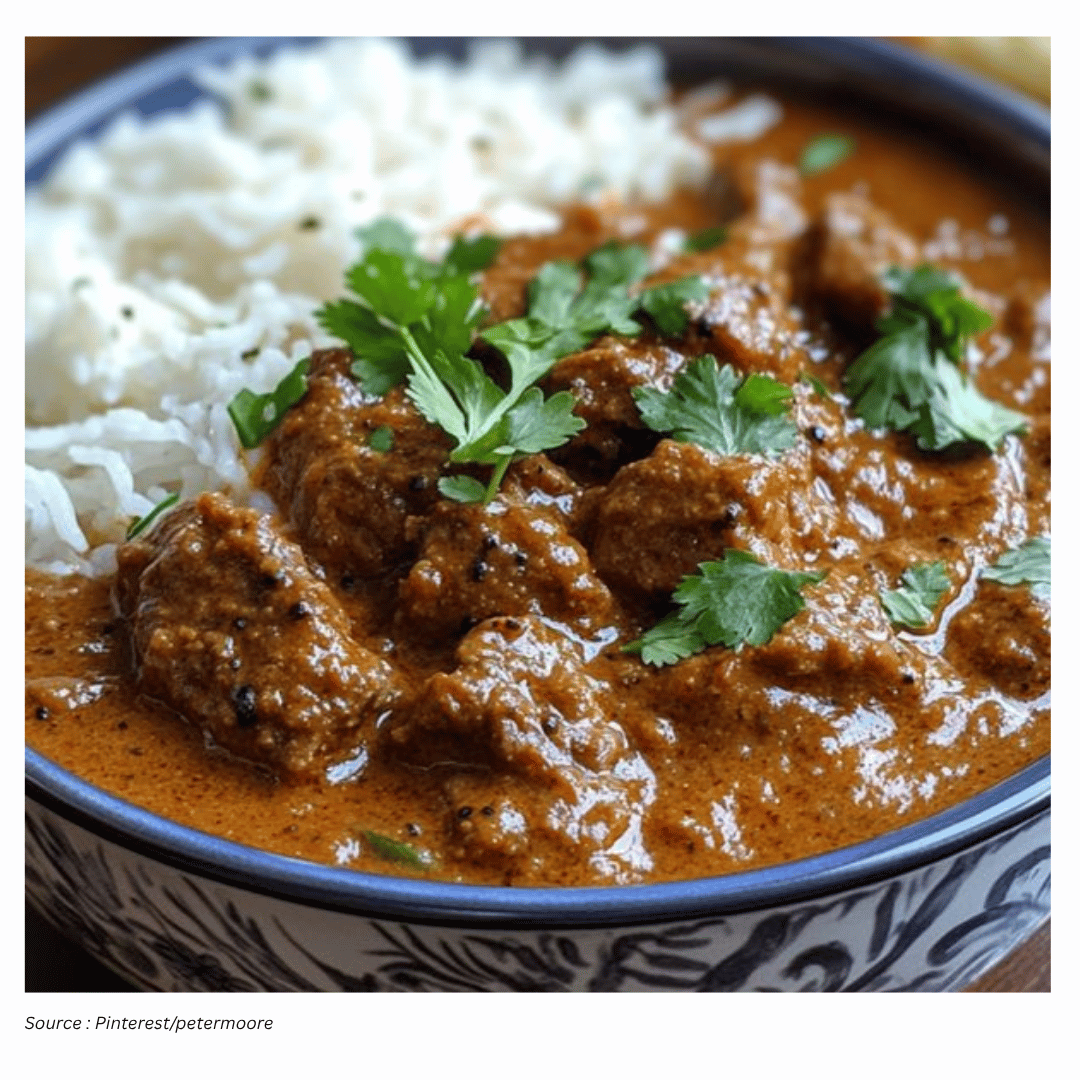
A flavor-forward dinner that still feels easy
When you’re craving a dinner that feels lively—fragrant spices, a sauce with depth, and a comforting, slow-cooked finish—Beef Madras fits the moment. Built around tender beef and a rich curry-like sauce, it’s the kind of dish that can make an ordinary weeknight feel a little more special without demanding complicated technique. The approach is straightforward: brown the beef, build a spiced base, then let gentle cooking do the heavy lifting.
For many home cooks, Indian-inspired meals are a reliable way to “wake up” the palate. There’s a reason dishes like chicken bhuna, beef biryani, and creamy coconut curry chicken are often in rotation: they deliver aroma, warmth, and a satisfying sauce that pairs naturally with rice or bread. Beef Madras belongs in that same family of dinners—bold but approachable, and easy to adapt to your own kitchen routine.
What Beef Madras is, in plain terms
Beef Madras is described as a flavorful and spicy curry dish that originates from the Southern Indian city of Madras, now known as Chennai. At its core, it features beef cooked in a rich and aromatic sauce with a blend of traditional Indian spices. In this home-cooking version, the goal is to achieve a sauce that’s deeply seasoned and a beef texture that turns tender through slow cooking.
It’s also worth setting expectations about heat. Despite the dish’s reputation for spice, this particular slow-cooker Beef Madras is positioned as more “warm” than fiery. It has a pleasant heat that doesn’t overwhelm, and it’s meant to be comfortable for people who don’t enjoy very spicy food. If you prefer more intensity, the spice level can be customized to your liking.
Why the slow cooker method works well
The slow cooker isn’t required, but it’s a practical match for this dish. The method is designed for convenience: you can do the active steps earlier in the day, then let the slow cooker finish the cooking while you get on with everything else. By dinner, the beef has had time to soften and the sauce has had time to develop.
If you don’t want to use a slow cooker, there is an alternative: simply simmer the dish in a skillet with a lid for about an hour. That option keeps everything on the stovetop and still aims for tenderness and a cohesive, aromatic sauce.
The building blocks: beef, aromatics, spices, and a rich sauce
The dish is constructed in layers, and each layer has a clear job:
- Beef: browned first for color and flavor, then cooked until tender.
- Aromatics: onion, garlic, and ginger are blended until smooth, creating a concentrated base that cooks down into the sauce.
- Spices and tomato paste: stirred into the browned aromatics to deepen the flavor and create a curry-like backbone.
- Liquid and seasoning: broth and salt help build the final texture and balance, while lemon juice adds brightness.
Even without listing every ingredient in exact quantities, the technique makes the intended flavor profile clear: savory beef, a fragrant onion-ginger-garlic base, and spices rounded out by tomato paste and broth, finished with lemon for lift.
Step-by-step method (from skillet to slow cooker)
This preparation is intentionally structured so that the most flavor-building steps happen up front, before the long cook. Here’s the workflow as described:
- Brown the beef: Cook the beef in a large skillet until browned on all sides, then set it aside. This is about developing color and a savory foundation.
- Blend the aromatics: In a food processor, add the onion, garlic, and ginger and puree until smooth. This creates a paste-like mixture that will cook evenly and integrate into the sauce.
- Cook the aromatic base: Add the onion mixture and a bay leaf to the skillet and cook until browned. This step concentrates flavor and reduces raw sharpness.
- Bloom the spices: Stir in the spices and tomato paste. Mixing them into the hot pan helps the spices become more fragrant and the tomato paste to deepen.
- Coat the beef: Add the beef back in along with lemon juice, tossing to coat everything. This ensures the meat is surrounded by the seasoned base before the long cook.
- Add liquid and season: Pour in the broth and season with salt.
- Slow cook: Transfer to a slow cooker and cook on high for 4 hours or low for 8 hours.
The logic of the method is simple: build flavor in the skillet where browning is easy, then rely on slow cooking to tenderize the beef and bring everything together into a rich sauce.
Ingredient swaps and variations: what flexibility looks like
As with any recipe, there’s room to switch things up if needed. The dish is presented as adaptable, with the reminder that variations are possible. If you’re adjusting, the safest approach is to keep the core structure intact: brown the beef, keep the onion-garlic-ginger base, and maintain the spice-and-tomato-paste step so the sauce still tastes like a cohesive madras-style curry.
Because the full ingredient list and exact instructions are typically kept in a dedicated recipe card, the key takeaway here is the method: it’s method-driven cooking. If you preserve the sequence—browning, blending, browning again, blooming spices, then slow cooking—you’ll preserve the character of the dish even if you need to make small changes.
How spicy is it, really?
Heat is one of the most common questions with a dish like Beef Madras. This version is described as not spicy in the sense of being overwhelming. Instead, it offers a “nice warmth” that shouldn’t make you sweat. That makes it a practical choice for households with mixed spice tolerance.
At the same time, it’s also described as customizable. If you like more heat, you can adjust the spice level to your preference. The important point is that the baseline is approachable, not extreme.
Serving ideas: what to put on the table with Beef Madras
Beef Madras is commonly served with rice or Indian bread such as naan or roti. Those options make sense because they soak up the rich sauce and turn the curry into a complete, satisfying meal.
For something cooling and fresh on the side, onion raita is suggested, as is Kachumber salad. Both are presented as good complements, especially if you want contrast against the warm spices of the curry.
- Classic base: rice
- Bread options: naan or roti
- Cooling sides: onion raita
- Fresh side: Kachumber salad
Storing leftovers and freezing for later
This is the kind of dish that fits well into meal planning because it stores reliably. Leftovers will keep in the fridge for 2–3 days in an air-tight container. If you want to make it further ahead, it can also be frozen for up to 3 months.
That storage window makes Beef Madras useful for batch cooking: cook once, enjoy for a couple of dinners, or portion and freeze for future meals when you want something hearty and ready to reheat.
Equipment that supports the method
The equipment you use can affect how the meal turns out, and the process points to a few key tools. You’ll need a large skillet for browning the beef and building the sauce base, a food processor to puree the onion-garlic-ginger mixture until smooth, and a slow cooker if you’re following the set-it-and-finish-later approach.
Even if you choose the stovetop simmer option, the skillet and food processor remain central to the method because they’re tied directly to the flavor-building steps.
Practical notes for a smoother cooking day
Beef Madras is positioned as an “easy flavor-packed dinner,” but it still benefits from a little planning. The most active work happens at the beginning: browning, blending, and stirring in spices and tomato paste. Once everything is transferred to the slow cooker, the process becomes hands-off.
If you’re cooking on a schedule, the two slow-cooker timelines—high for 4 hours or low for 8 hours—make it flexible. The low setting is well suited to a morning start with dinner in mind, while the high setting can work for a later start.
Aromatics and browning: the small steps that add up
Two details stand out in the method because they do so much for the final flavor. First is browning the beef on all sides, which adds savory depth. Second is cooking the pureed onion mixture with a bay leaf until browned, which helps the sauce taste cooked-in rather than raw or sharp.
From there, stirring in the spices and tomato paste is a classic move for building a curry-like base. It’s a short step, but it’s where the dish’s aroma really begins to take shape.
Bottom line
This Beef Madras is designed to deliver tender beef, aromatic spices, and a rich curry-like sauce while keeping the cooking process manageable. It leans on a smart sequence—brown, blend, brown again, spice, then slow cook—to create a dinner that feels complex in flavor without being complicated in execution. Serve it with rice, naan, or roti, consider onion raita or Kachumber salad on the side, and store leftovers confidently for the next few days—or freeze portions for later.