
Ragu Bianco: A Creamy White Bolognese for Comforting Pasta Nights
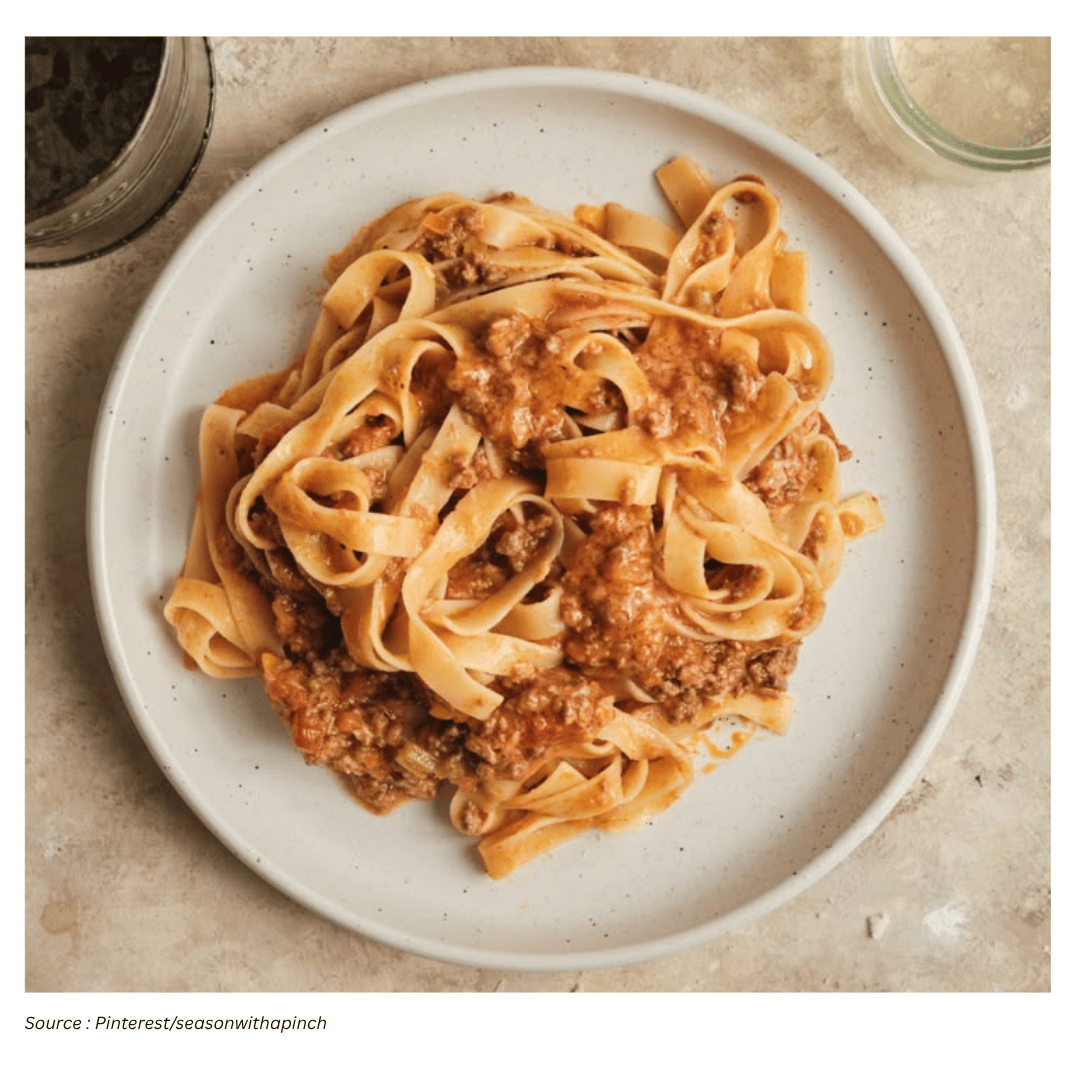
What ragu bianco is—and why it deserves a spot next to classic bolognese
Pasta has a way of defining comfort food. It can be simple and sharp, rich and indulgent, or somewhere in between. Many home cooks can name a few favorites immediately—dishes like bucatini cacio e pepe, tagliatelle pesto, or a decadent alfredo. Yet when people talk about “the kings of pasta sauces,” bolognese tends to dominate the conversation.
Ragu bianco offers a different path to the same destination. Sometimes described as “white bolognese,” it’s a traditional Italian-style meat sauce that skips tomatoes entirely. Instead of relying on tomato’s sweetness and acidity, ragu bianco builds flavor through browned meat, aromatics, herbs, and wine, finished into a creamy, rich texture. The result is comforting and deeply savory—an ideal choice for a cold night when you want a bowl of pasta that feels substantial without leaning on tomato.
How ragu bianco differs from tomato-based bolognese
Classic bolognese is widely known for its slow-cooked meat base paired with tomatoes. Ragu bianco keeps the slow-simmered meat foundation but changes the overall profile: it’s creamy, slightly woody in flavor, and notably free of tomato. That difference matters more than it might sound. Without tomatoes in the background, the sauce’s depth comes from careful cooking technique—rendering pancetta, concentrating aromatics, browning meat properly, and using wine to deglaze and add complexity.
In practical terms, ragu bianco can feel both lighter and richer at the same time: lighter because it isn’t tomato-forward, richer because the sauce’s creaminess and meatiness take center stage. It’s a reminder that “comforting” doesn’t have to mean the same flavor every time.
The core building blocks of flavor
Although ingredient lists can vary, the structure of this sauce follows a clear logic. The method emphasizes layering flavors in stages rather than adding everything at once. Key components mentioned for this style include pancetta, a pureed mirepoix, ground meat, herbs, and wine, followed by a longer simmer with remaining ingredients to bring everything together.
- Pancetta: Cooked first to develop savory depth and provide rendered fat for the aromatics.
- Pureed mirepoix: Added after the pancetta and cooked down until liquid evaporates and browning begins.
- Ground meat: Browned well before herbs are introduced, ensuring the sauce tastes robust rather than boiled.
- Herbs: Stirred in after browning the meat to perfume the base.
- Wine: Used to deglaze, lifting browned bits and adding depth of flavor.
- Time: A longer simmer (about an hour) to meld flavors and build a cohesive, creamy sauce.
This sequence is more than tradition—it’s the difference between a sauce that tastes flat and one that tastes layered. Each stage is designed to concentrate flavor before moving on to the next.
Step-by-step method in plain language
The process for ragu bianco is straightforward, but it rewards attention. The steps below follow the described approach, focusing on timing and sensory cues—crisp pancetta, evaporated liquid, browning, and a steady simmer.
- Start with pancetta: Cook the pancetta for about 5 minutes, or until it turns crispy. This develops a savory base and creates flavorful fat in the pot.
- Add the pureed mirepoix: Stir in the pureed mirepoix and cook for roughly 10 minutes. The goal is to cook it until the liquid has evaporated and the mixture begins to brown. That browning signals concentrated flavor.
- Brown the ground meat: Add the ground meat and cook until browned. Browning is essential—this step is where much of the sauce’s depth originates.
- Add herbs and deglaze with wine: Once the meat is browned, add the herbs. Then deglaze the pot with wine, scraping up any flavorful bits stuck to the bottom.
- Simmer to bring it together: Add the remaining ingredients to a Dutch oven and let the sauce simmer for about 1 hour. This is where the texture turns cohesive and the flavors round out.
- Season and finish with pasta: Taste the sauce and adjust seasoning. Add cooked pasta and a bit of pasta water, then toss to combine until the sauce clings beautifully to the noodles.
The final toss with pasta water is particularly important. It helps emulsify the sauce and gives it a silky consistency that coats rather than puddles.
Why wine matters in ragu bianco
Wine is described as a key ingredient in this style of bolognese because it contributes depth of flavor. It also plays a practical role: after the meat browns, deglazing with wine loosens the browned bits that stick to the pot—those bits are concentrated flavor.
A useful guideline is to cook with a wine you would be willing to drink. The reasoning is simple: the wine’s character will influence the sauce, so using something you actually enjoy helps ensure the finished ragu tastes balanced and pleasant.
Ingredient flexibility and variations
One of the strengths of ragu bianco is that it can be adjusted. The dish is described as “pretty perfect,” but also open to mixing up ingredients. That flexibility is valuable for home cooks who want to work with what they have on hand or tailor the sauce to different preferences.
Beyond small swaps, the concept can also be adapted to different dietary needs. A vegetarian version is possible by replacing the meat with plant-based alternatives such as crumbled tempeh or tofu. For the liquid and creamy elements, vegetable broth and dairy-free options can be used to maintain a similar comforting texture while keeping the sauce meat-free.
Equipment that helps the sauce turn out well
The equipment you use can influence the final result. This sauce benefits from steady heat, room for simmering, and a pot that supports browning without scorching. A Dutch oven is highlighted as part of the method, and it makes sense: it retains heat well and provides enough surface area for browning pancetta, concentrating the mirepoix, and building the sauce in one vessel.
Even if you use a different heavy pot, the key is to choose something that can handle:
- Rendering and crisping pancetta without burning
- Cooking down a pureed mirepoix until evaporation and browning occur
- Deglazing safely and simmering for about an hour
Serving ideas: what to pair with ragu bianco
Ragu bianco is designed to stand on its own as a pasta centerpiece. The sauce is rich, creamy, and comforting, which makes it satisfying without needing much else. That said, it can be served with a variety of sides. The best approach is to choose sides that complement the sauce’s richness—either by adding contrast or by keeping the meal simple and cohesive.
Because the sauce is already a complete, slow-simmered component, many cooks prefer to keep sides straightforward rather than complicated. The goal is to support the pasta, not compete with it.
Storage: how long it keeps
Ragu bianco is a practical sauce for leftovers. Once cooked, it will last about 3 days when stored in an airtight container in the refrigerator. It can also be frozen for up to 3 months, making it a good candidate for batch cooking and future quick dinners.
For best results, cool leftovers promptly and store them in portions that match how you plan to reheat and serve later. Portioning makes it easier to rewarm evenly and reduces repeated heating and cooling.
Reheating without drying it out
Because pasta and creamy sauces can tighten as they cool, reheating gently matters. Two methods are recommended, both using a small splash of water to loosen the sauce and bring back its silky texture.
- Skillet method (preferred): Place leftover pasta in a skillet with a splash of water. Cook over medium-low heat until heated through. This method offers control and helps the sauce re-emulsify as it warms.
- Microwave method: Place leftovers in a microwave-safe bowl with a splash of water. Microwave for 1 minute, stir, then microwave for another minute or until heated through.
In both cases, the splash of water is a small but important detail: it helps restore moisture and improves the final texture.
Tips for getting the most flavor from the process
Ragu bianco isn’t complicated, but it is technique-driven. The best results come from respecting the timing and the visual cues described in the cooking steps.
- Let the pancetta get crispy: That initial crisping creates a strong foundation and adds texture and depth.
- Cook the mirepoix until the liquid evaporates: The sauce improves when the aromatics move beyond steaming and start browning.
- Brown the meat thoroughly: Browning is where savory intensity develops. Rushing this step can leave the sauce tasting muted.
- Use wine to deglaze: Deglazing captures the browned bits and builds complexity.
- Simmer long enough: The hour-long simmer is where the sauce becomes cohesive and comforting.
- Finish with pasta water: Tossing with pasta water helps the sauce cling to the pasta and improves the mouthfeel.
A comforting alternative to the usual red sauce routine
For many cooks, bolognese is the benchmark for a slow-simmered pasta sauce. Ragu bianco offers a different expression of that same comforting idea—one that’s creamy, rich, and built on meat, aromatics, herbs, and wine rather than tomatoes. It’s especially appealing when you want something hearty but not overtly tomato-forward.
Whether you stick to the classic approach or explore a vegetarian adaptation with plant-based crumbles, the appeal remains the same: a sauce that rewards patience, tastes deeply savory, and turns a simple bowl of pasta into a satisfying meal.