
Easy Sushi Rolls at Home: A No-Frills Guide to Maki You Can Customize
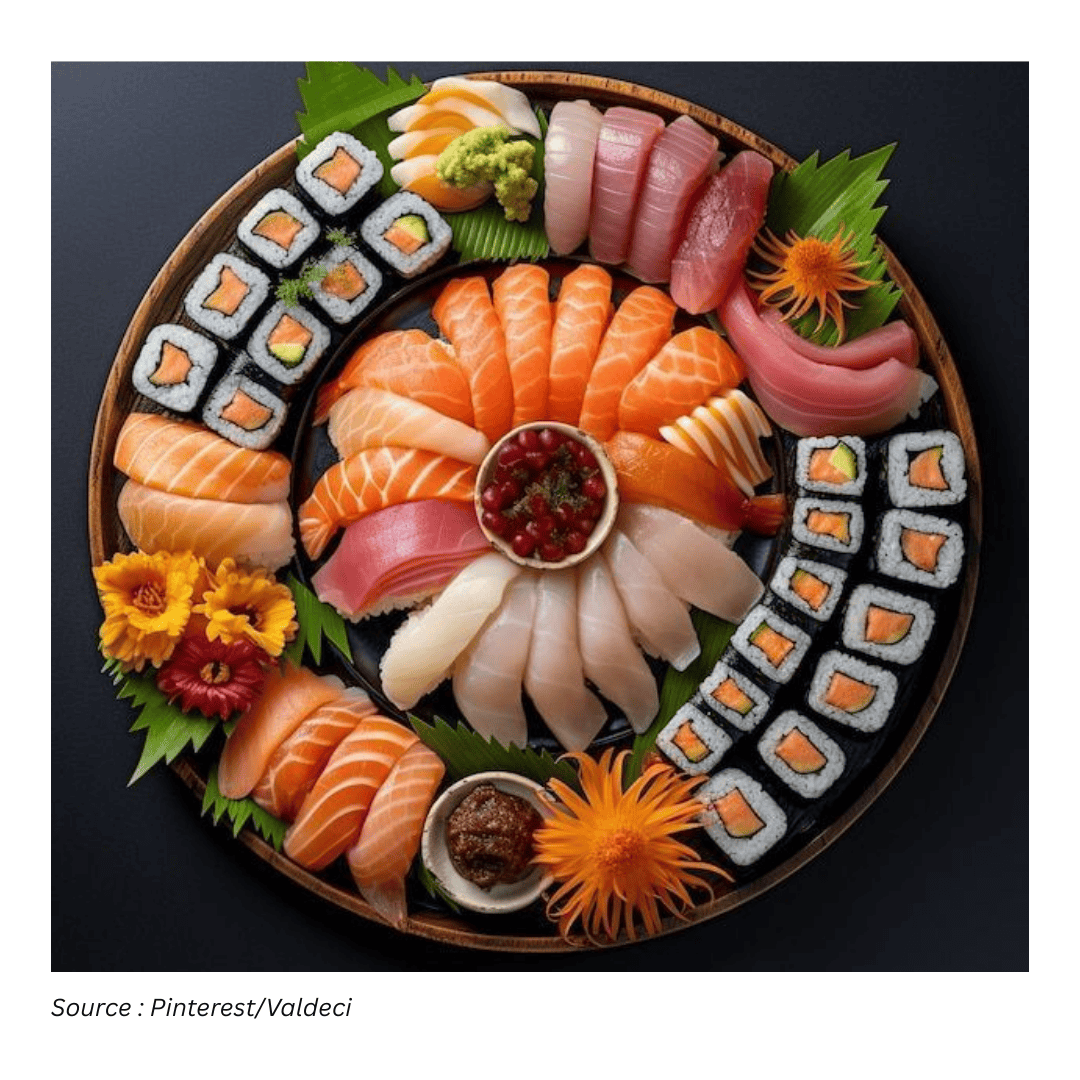
Homemade sushi rolls can be simpler than you think
Sushi has a reputation for being “restaurant-only” food—something you order when you want a treat, not something you casually make in your own kitchen. But homemade sushi rolls (often called maki rolls) are far more approachable than many people expect. The core technique is straightforward: prepare your ingredients, spread rice, add fillings, roll, and slice. The part that takes time isn’t complexity—it’s prep.
What makes homemade maki especially appealing is the flexibility. Instead of ordering a set roll and hoping it matches your preferences, you decide what goes inside and what goes on top. Keep it minimal with a few fillings and a drizzle of sauce, or make a bigger spread with multiple options and build an at-home “sushi night” routine. Either way, the process can be both practical and genuinely fun.
This guide focuses on a no-frills approach: use the equipment you already have, keep the ingredient list manageable, and prioritize a method that works reliably in a home kitchen. It may not be perfectly traditional or “authentic” in every detail, but it’s designed to be doable—and delicious.
Why making sushi at home is worth it
There are a few reasons people fall into the habit of making sushi at home. One is convenience: when restaurants are closed or you simply don’t feel like going out, homemade rolls can scratch the itch. Another is control: you choose the fillings, the proportions, and the finishing touches. And then there’s the simple satisfaction of learning a skill that looks impressive but is built on repeatable steps.
Once you get a rhythm going—especially if you have someone helping in the kitchen—rolling a batch can move quickly. With a simple assembly-line approach, it’s possible to turn out a big plate of maki in about 30 minutes after you’ve gotten comfortable with the routine. Even if it takes longer at first, the learning curve is friendly.
What you need: ingredients you can usually find easily
Aside from fresh produce and any fish you may choose to use, many of the basics for maki rolls are commonly available in the Southeast Asian section of a grocery store. If your local store doesn’t carry them, they’re also easy to order online. And if you plan to make sushi more than once, buying a few pantry items in bulk can be a practical way to keep costs down.
Here are the key categories to think about when you shop and plan:
- Rice and wrap: Rice for sushi and nori (seaweed sheets) are foundational for classic maki rolls.
- Condiments and sides: Soy sauce, pickled ginger, and wasabi paste are common additions that help the meal feel complete.
- Fillings and toppings: This is where you personalize. Use whatever ingredients you love best.
If you enjoy making sushi often, stocking rice, nori, soy sauce, pickled ginger, and wasabi paste can make spontaneous sushi nights much easier to pull off.
Equipment: start with the basics you already own
You don’t need a specialized sushi setup to get started. A basic cutting board, a sharp knife, and a bowl of water can take you surprisingly far. The bowl of water matters more than many beginners realize: dipping your fingers helps prevent rice from sticking to your hands while you spread and shape it.
Many people roll their first batches without a mat at all, using their hands to shape the roll. This works, with one tradeoff: the roll may not be quite as tight. For beginners, that’s completely fine. The goal is to build familiarity and confidence before investing in extra gear.
If you decide you enjoy sushi-making and want to “level up,” a bamboo sushi mat is a helpful first purchase. It makes it easier to roll maki tightly and consistently, and it’s simple to use. Some home cooks also choose to buy a knife designed for long, clean cuts, especially if they make sushi and sashimi regularly. But none of that is required to begin.
The basic workflow: simple steps, a bit of prep time
The steps for making sushi rolls are not complicated, but they do require time for prepping ingredients and assembling rolls. If you have a friend or family member helping, you can divide tasks and move faster. If you’re solo, it helps to treat it like a relaxed kitchen project: set aside an hour, put on music, pour a cold drink, and work through the process.
At a high level, the workflow looks like this:
- Prep your ingredients: Get fillings and toppings ready so they’re easy to grab as you roll.
- Set up your station: Cutting board, knife, bowl of water, and your ingredients arranged within reach.
- Assemble and roll: Spread rice, add fillings, roll into a log.
- Slice and serve: Cut into pieces and finish with sauces or toppings you enjoy.
Once you’ve made a few rolls, you’ll likely find your own rhythm—how much rice you like, how full you like your rolls, and how tightly you prefer to roll them.
Customization is the point: choose fillings and toppings you love
The most enjoyable part of making homemade maki is that you can tailor each roll to your taste. Some people prefer a simple combination of a few fillings with a drizzle of spicy mayo. Others like to set out several ingredients and mix and match. Either approach works.
Because the fillings and toppings are “100% up to you,” this is also a great format for households with different preferences. You can keep the base method the same and vary what goes inside. If you’re cooking with a partner or friend, it can be fun to make a few different rolls and share.
It’s also a forgiving style of cooking. If your first roll isn’t perfectly tight, it can still taste great. If your slices aren’t identical, the platter can still look inviting. The goal is a satisfying meal, not perfection.
Spicy mayo: a quick sauce that brings it all together
A simple spicy mayo can make homemade sushi feel instantly “complete,” even when you keep the fillings minimal. It’s quick to whisk together and easy to adjust based on how spicy you like it.
Here’s a straightforward version:
- Whisk together 1/4 cup Japanese mayo (or any kind of mayo, or plain Greek yogurt) with 4 teaspoons sriracha until combined.
- Taste and add extra sriracha if you want it spicier.
- Optional: add a tiny drizzle of toasted sesame oil and/or honey, if desired.
You can drizzle the spicy mayo on top of the sliced rolls just before serving, or mix it into the fillings. Drizzling tends to keep the roll structure cleaner, while mixing can distribute heat and creaminess throughout.
An extra dipping sauce idea (beyond soy sauce)
If you like having more than one sauce on the table, here’s an additional dipping sauce suggestion that combines salty, sweet, and tangy notes:
- 1/3 cup soy sauce
- 3/4 teaspoon sugar
- A few slices of green onion
- A couple of drops of sesame oil
- 2 teaspoons rice wine vinegar
- 1 tablespoon water
Mix the ingredients and serve as a dip alongside your rolls.
Rolling without a sushi mat: what to expect
If you don’t have a bamboo mat, you can still roll sushi by hand. The main difference is firmness: a mat helps you apply even pressure, which typically produces a tighter roll. Hand-rolled maki can be slightly looser, especially at first, but it’s still completely workable for home meals.
If you’re trying the no-mat approach, focus on a steady, gentle roll and take your time. Once you’ve made a few, you’ll naturally improve at shaping the roll and keeping the fillings centered.
Making it faster: a simple assembly-line approach
Sushi-making becomes much quicker when you treat it like a small production line. Even two people can noticeably speed things up by splitting responsibilities. One person can prep and portion fillings while the other rolls. Or one person can roll while the other slices and plates.
Even if you’re cooking alone, you can still borrow the assembly-line idea: prep everything first, then roll several maki in a row, then slice them all at the end. This reduces stop-and-start time and helps you stay consistent from roll to roll.
Serving ideas: keep it simple, keep it fun
Homemade sushi doesn’t need elaborate presentation to feel special. A platter of sliced rolls with a drizzle of spicy mayo can be enough. If you have them on hand, classic sides like soy sauce, pickled ginger, and wasabi paste can round out the experience.
Because maki rolls are so customizable, they also work well for casual gatherings or family dinners where everyone can choose what they like. You can keep the ingredient list minimal or set out more options based on your time and interest.
What beginners tend to notice after the first try
People who try homemade sushi for the first time often share a similar takeaway: the directions are easier to follow than expected, and the actual rolling goes faster than the prep. Once the ingredients are ready, assembling the rolls can feel surprisingly quick.
Another common reaction is that homemade sushi can taste just as satisfying as restaurant sushi—especially when you find a combination of fillings and sauces you love. For many home cooks, that first successful batch becomes the push to make sushi again, experiment with variations, and perhaps even plan a future sushi night or party.
A practical checklist for your first sushi night
- Plan for prep time: the steps are simple, but getting everything ready takes a bit.
- Use what you have: cutting board, sharp knife, and a bowl of water are enough to start.
- Decide on a few fillings you love and keep the first batch uncomplicated.
- Make a quick spicy mayo for an easy finishing touch.
- Don’t worry about perfection: slightly loose rolls can still taste great.
Bottom line
Easy sushi rolls at home are less about specialized tools and more about a calm, organized process. With a few pantry staples, your favorite fillings, and a simple sauce like spicy mayo, you can create a satisfying batch of maki rolls without extra equipment. As you practice, you can choose to add a sushi mat for tighter rolls or refine your technique—but even a basic, no-frills approach can deliver a fun, flavorful sushi night at home.