
Cowboy Butter: A 10-Minute, Herby Finish for Steak and More
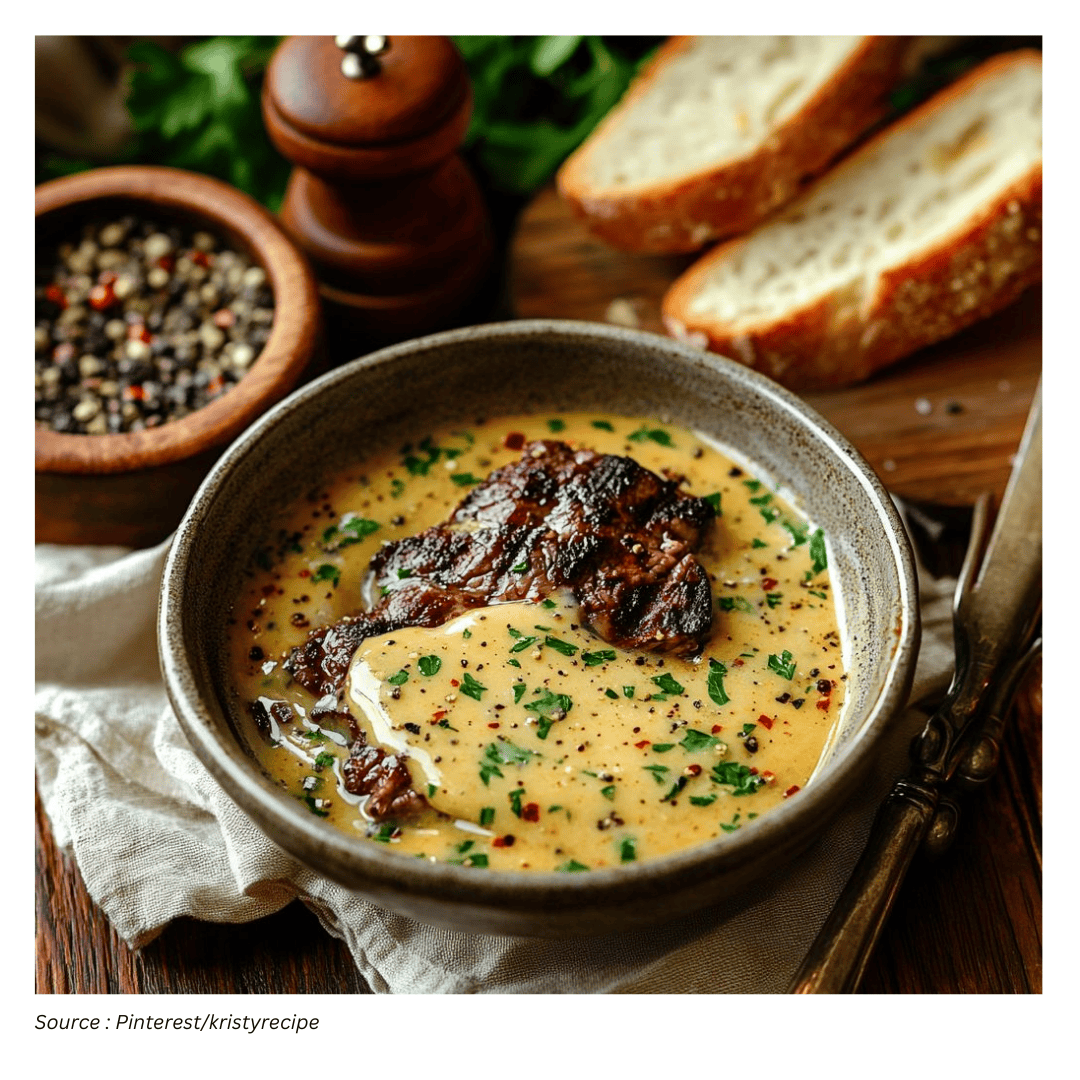
A simple upgrade for steak night
If your steak dinner already has the basics—good seasoning, a hot pan or grill, and a little patience—there’s still one finishing touch that can push it from satisfying to memorable: cowboy butter. This fast, flavor-packed butter sauce comes together in about 10 minutes and delivers a bold combination of butter richness, fresh herbs, garlic, and a bright hit of lemon. It’s the kind of condiment that feels like an “extra step,” but in practice is quick enough to make while your steak rests.
The appeal is straightforward: cowboy butter is designed to be spooned, drizzled, or brushed over hot food. Once it hits a warm steak, chicken, fish, or vegetables, it melts into every crevice and carries aromatics and spice across the surface. It’s not limited to steak, either. It’s equally at home on grilled chicken, fish, and sides like roasted asparagus or roasted potatoes—foods that benefit from a finishing sauce that adds shine, fragrance, and a little kick.
What people like about it
Part of cowboy butter’s popularity is how easily it fits into everyday cooking. It’s not a complicated technique and it doesn’t require special equipment—just a bowl and a whisk. It also tends to disappear quickly once it hits the table.
- “We love this on steak, asparagus, and roasted potatoes. I’d love to keep some in the fridge but we go through every batch whenever I make it!”
- “I’ve made this multiple times and love it...”
Those reactions highlight two consistent themes: it works across proteins and sides, and it’s the kind of condiment people keep returning to once they’ve tried it.
What cowboy butter is (and what it tastes like)
At its core, cowboy butter is a seasoned butter mixture that balances richness with acidity and aromatics. The base is butter, which provides body and a silky mouthfeel. Lemon juice adds brightness, while garlic and shallot bring a savory backbone. Mustard and horseradish add tang and a gentle bite, and paprika plus cayenne contribute warmth and spice. Fresh herbs—parsley, chives, and thyme—round everything out with a fresh, green finish.
The overall flavor profile is herby and garlicky with a noticeable tang. The heat level is adjustable because cayenne is added to taste. That means you can keep it mild for a crowd or dial it up for a more assertive, steakhouse-style finish.
Ingredients used in the butter
The mixture is built from a short list of familiar ingredients. The following components are combined to create the final sauce:
- Butter (melted for the quick version, or softened for a make-ahead version)
- Freshly squeezed lemon juice
- Minced garlic
- Minced shallot
- Mustard
- Horseradish
- Paprika
- Cayenne (to taste)
- Fresh parsley (chopped)
- Fresh chives (chopped), plus more for topping if you like
- Fresh thyme (chopped)
- Salt and pepper (to taste)
These ingredients work together in layers: rich butter, bright lemon, pungent alliums, tangy condiments, warm spices, and fresh herbs. The result is a sauce that can be both bold and balanced, depending on how you season it.
How to make cowboy butter in about 10 minutes
This is a whisk-and-stir recipe, and it’s designed for speed. The key is to combine the ingredients in the right order so everything emulsifies and distributes evenly.
Step 1: Build the base. In a small bowl, combine melted butter with freshly squeezed lemon juice, minced garlic, minced shallot, mustard, horseradish, paprika, and cayenne to taste. Whisk until the mixture is very well combined. This thorough whisking helps the flavors integrate so you don’t end up with pockets of spice or concentrated mustard.
Step 2: Add the herbs. Once the base is smooth, stir in freshly chopped parsley, chives, and thyme. Season with salt and pepper to taste. Adding the herbs after whisking the base helps keep them evenly suspended and preserves their fresh flavor.
Step 3: Serve. At this point, it’s ready to use immediately. If you like, top with extra chives for a simple finishing touch before bringing it to the table.
How to use it: steak, chicken, fish, and sides
Once the butter is mixed, it becomes a flexible finishing sauce. The simplest approach is to spoon it over hot food and let the heat do the work. Because it’s butter-based, it melts quickly and coats the surface, carrying garlic, herbs, and spice with it.
On steak: Spoon cowboy butter over the steak right before serving, or let it melt on top while the steak rests. It’s a direct way to add shine and a concentrated burst of flavor without changing how you cook the steak itself.
On grilled chicken: Use it as a finishing sauce after grilling. The lemon and herbs can brighten chicken, and the garlic and mustard add depth.
On fish: A small amount goes a long way. Drizzle it over cooked fish so it melts gently and adds richness without overwhelming the fish.
On vegetables and sides: Cowboy butter isn’t only for proteins. It’s described as a strong match for roasted asparagus and also works well with roasted potatoes. You can also use it broadly with grilled or roasted vegetables—anything that benefits from a buttery, herby finish.
The best part is that you don’t have to commit to one use. Put it on the table and treat it like a condiment: people can add more as they go, adjusting the intensity to their own taste.
Timing: when to make it for the best result
Because cowboy butter comes together so quickly, it’s often best made right when you’re preparing your steak or other main dish. Making it at the same time keeps the herbs tasting fresh and ensures the butter is in the ideal state for drizzling and spooning.
If you’re planning a meal where timing is tight, you can still keep the process simple: measure and chop your ingredients ahead of time, then whisk and stir right before serving. That way, the sauce is fresh but you’re not scrambling at the last minute.
Make-ahead option and storage
If you want to prepare cowboy butter in advance, there’s an easy adjustment: use softened butter instead of melted butter. Combine the ingredients into the softened butter, then transfer it to an airtight container and refrigerate. This approach keeps the mixture stable and spreadable while it chills.
Stored this way, it can be kept in the fridge for around five days. When you’re ready to use it, you can melt it again by popping it in the microwave, or by placing it over your steak while it’s cooking in the pan so it warms and melts gradually.
This make-ahead method can be especially helpful if you want the flavor ready to go for multiple meals—steak one night, roasted vegetables the next—without repeating the prep each time.
Adjusting the flavor to your table
One reason cowboy butter works for a wide range of meals is that it’s easy to fine-tune. Cayenne is explicitly added to taste, which makes heat level the most flexible element. If you prefer a gentler butter, use a lighter hand. If you want more kick, add more gradually and taste as you go.
Seasoning with salt and pepper at the end also gives you control. Because the butter will be used on foods that may already be seasoned (like steak or roasted potatoes), tasting the finished mixture before serving helps you avoid over-salting.
Serving ideas for a full meal
Cowboy butter is often described as the missing piece on a steak dinner, but it can also help tie a full plate together. A simple approach is to choose one protein and one or two sides that all benefit from the same finishing sauce.
- Steak + roasted asparagus: Spoon the butter over both so the lemon and herbs brighten the plate.
- Steak + roasted potatoes: Add a small amount to the potatoes for richness and a savory, garlicky finish.
- Grilled chicken or fish + vegetables: Use the butter as a unifying sauce across the meal.
Because it’s served as a condiment, you can also offer it alongside the meal rather than pre-saucing everything. That keeps textures intact and lets each person decide how much they want.
Why it’s worth the “extra step”
It’s easy to assume a butter sauce is optional—especially on a night when you’re already cooking a main and a couple of sides. But cowboy butter is built to be efficient: a small bowl, a whisk, a handful of chopped herbs, and a short list of pantry-friendly seasonings. The payoff is immediate. It adds aroma, sheen, and a layered flavor that complements grilled meats and roasted vegetables without requiring a complicated technique.
In other words, it’s not just another sauce to make. It’s a fast finishing move that can make a good dinner feel more complete.
Quick recap: the basic method
- Whisk melted butter with lemon juice, garlic, shallot, mustard, horseradish, paprika, and cayenne to taste until very well combined.
- Stir in chopped parsley, chives, and thyme; season with salt and pepper to taste.
- Serve immediately on steak, grilled chicken, fish, and sides like roasted asparagus or roasted potatoes.
- For make-ahead: use softened butter, refrigerate in an airtight container for around 5 days, then melt when ready to serve.
Once you’ve tried it, cowboy butter tends to earn a permanent spot in the rotation—ready whenever you want to turn a simple protein and a few sides into a meal that tastes intentionally finished.