
Chocolate Chip Scones With Lemon Glaze: A Bakery-Style Treat You Can Make at Home
A sweet option when cookies feel too light
There are plenty of moments when a cookie is exactly what you want: quick, sweet, and easy to grab. But sometimes that kind of treat doesn’t quite satisfy. When you’re craving something a little more substantial—still sweet, but with a richer bite—scones are a natural choice. They’re known for crisp edges and a buttery texture, and when made well they strike a balance between tender and sturdy: soft enough to feel indulgent, yet structured enough to hold together without falling apart.
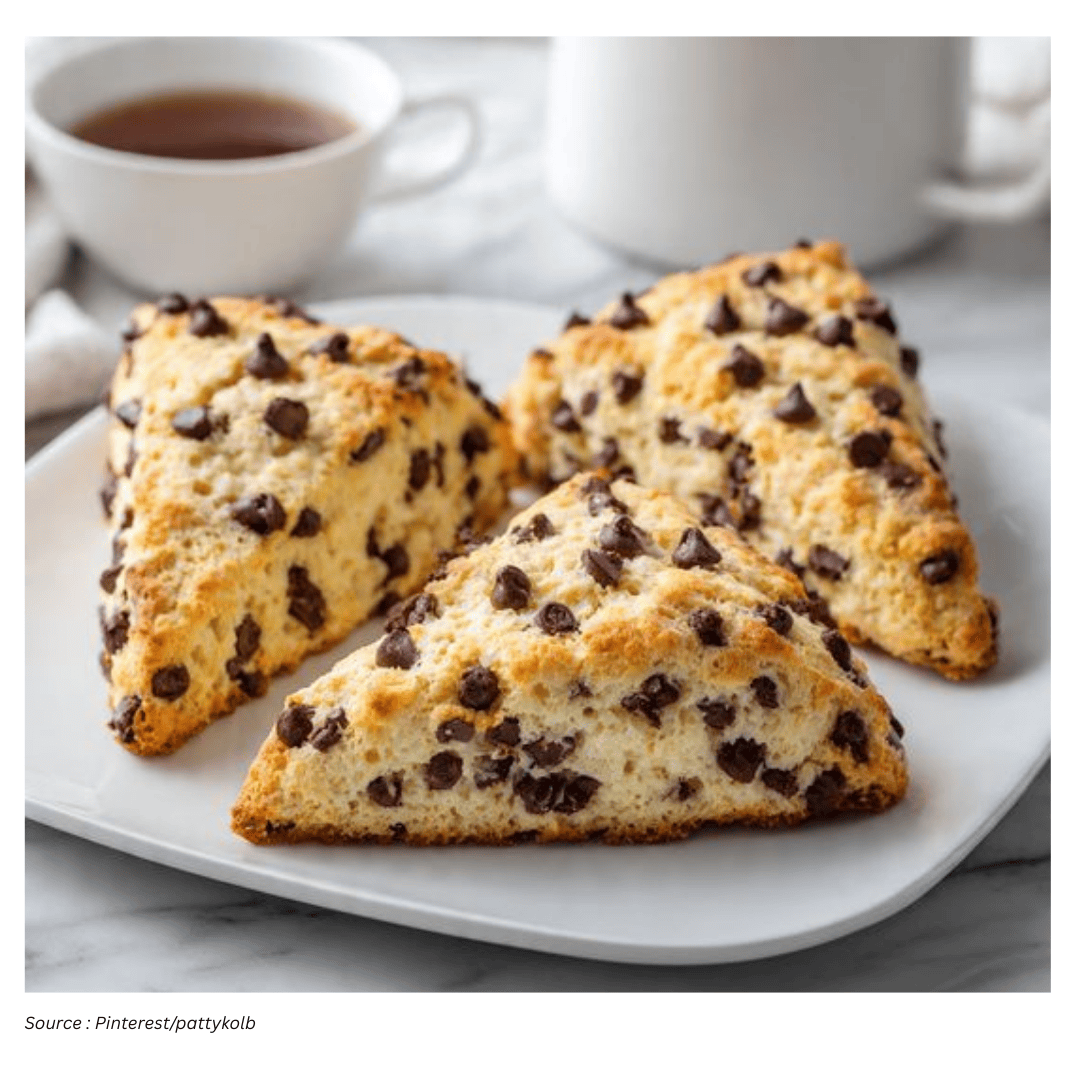
This chocolate chip scone recipe leans into that comfort. Each bite offers a little melted chocolate, and a lemon glaze drizzled lightly over the top adds a sweet, citrusy brightness. The combination is simple but effective: chocolate for depth, lemon for contrast. The end result tastes like something you might pick up from a high-end bakery, but it’s designed to be approachable in a home kitchen.
These scones work in a wide range of settings. They can anchor a brunch spread, serve as an afternoon snack, show up at a book club gathering, or be wrapped up as a small gift for neighbors. The core appeal is that they feel special without requiring complicated technique or specialized tools.
No stand mixer required—just a bowl and a few basics
One of the most welcoming aspects of this recipe is its simplicity. You don’t need a stand mixer or any fancy equipment. A mixing bowl is enough, along with basic baking ingredients and a little attention to temperature and mixing time. That ease makes the recipe especially practical when you want something homemade but don’t want a long cleanup or a multi-step process.
From a shopping and pantry perspective, the ingredient list is familiar. You’ll need all-purpose flour, sugar, powdered sugar, baking powder, baking soda, salt, and vanilla extract. From the dairy aisle, you’ll want unsalted butter and buttermilk (or you can make your own buttermilk if that’s easier). To finish the list, pick up chocolate chips and a lemon for the glaze.
Ingredients to gather
- All-purpose flour
- Sugar
- Powdered sugar
- Baking powder
- Baking soda
- Salt
- Vanilla extract
- Unsalted butter (kept cold)
- Buttermilk
- Chocolate chips
- Lemon (for the glaze)
Step-by-step method
The workflow is straightforward: mix dry ingredients, cut in cold butter to create a crumbly texture, add chocolate chips, then bring the dough together with buttermilk and vanilla. Shape, cut, chill briefly, bake quickly at high heat, and glaze once cooled. Below is the full process in a clear sequence.
- Line a baking sheet with parchment paper.
- In a large bowl, combine the flour, sugar, baking powder, baking soda, and salt.
- Add the butter cubes to the flour mixture and mix by criss-crossing 2 knives or by breaking down the butter cubes with your hands until crumbs have formed.
- Add the chocolate chips and stir lightly.
- In a small bowl combine the buttermilk and vanilla.
- Pour the buttermilk mixture into the flour mixture and stir until just combined.
- Transfer the mixture to a floured surface and form the dough into an 8-inch circle about ¾-inch thick.
- Cut the disc in half, then half again, then half again, so you have 8 scones.
- Place them on the prepared baking sheet, press in the remaining chocolate chips, and freeze for 10 minutes.
- Remove the scones from the freezer and bake them for 12 minutes.
- While they are baking make the glaze. Add the powdered sugar to a small bowl and whisk in the lemon juice and vanilla until the glaze is smooth and thick but pourable.
- Cool the scones on a wire rack for at least 20 minutes.
- Drizzle the glaze over cooled scones and let it set for 5 to 10 minutes before serving.
What to expect from the finished scones
These chocolate chip scones are built around contrast: crisp edges from a hot, short bake; a tender interior that stays soft rather than dry; and small pockets of chocolate that melt into the crumb. The lemon glaze is the finishing touch that changes the overall impression. Instead of a purely rich, chocolate-forward pastry, you get a brighter, more balanced bite—sweetness plus citrus tang, delivered in a thin layer over the top.
The glaze is intended to be thick but still pourable, which helps it drape across the scones without soaking them. Letting it set for a few minutes before serving gives it time to cling and lightly firm up, making the scones easier to handle and more polished on the plate.
Key tips for a tender, flaky texture
Scones can be deceptively simple. The ingredient list is basic, but the texture depends heavily on a few technique choices. This recipe highlights several practical tips that make a noticeable difference, especially if you’ve ever ended up with scones that felt dense or tough.
- Keep the butter cold. Cold butter is essential. If the butter is too soft, it blends too thoroughly into the flour, which can lead to a dense result rather than a soft and flaky one. Work quickly when cutting the butter in so it stays chilled.
- Stop mixing as soon as the dough comes together. Once the liquids go in, stir only until combined. Overmixing encourages gluten development, which can make the texture less tender. It can also affect how well the scones rise.
- Don’t skip the brief freeze. Freezing the shaped scones for 10 minutes may seem minor, but it helps re-chill the butter and keeps the scones from spreading or losing their shape in the oven.
- High heat, short time is the point. The method relies on baking at a high temperature for a short amount of time. That approach helps the dough hold its shape and develop crisp edges while the center remains tender.
Lemon glaze: sweet, citrusy, and easy to adjust
The glaze is intentionally uncomplicated: powdered sugar whisked with lemon juice and vanilla until smooth. The goal is a texture that’s thick but still pourable, so it can be drizzled rather than spread. A light hand is enough—the glaze is there to add brightness, not to overwhelm the chocolate.
If you enjoy a stronger citrus note, there’s also an easy option built into the overall approach: add about 1 teaspoon of lemon zest to the dough for more lemon flavor. That small addition can reinforce the citrus character without changing the structure of the scone.
Flavor variations that still follow the same method
Once you’re comfortable with the base recipe, it’s easy to use the same technique as a template. The structure—dry ingredients, cold butter cut in, gentle mixing, quick bake—stays the same, while the flavor profile can shift depending on what you add. The options below are all compatible with the process described.
- Switch the citrus. For a different twist, use orange zest in the dough and orange juice in the glaze.
- Add fruit. After the butter is cut into the flour, add 1 cup of blueberries, raspberries, or chopped strawberries. If using frozen fruit, do not thaw it. Toss it with 1 tablespoon of flour before adding to help manage moisture.
- Include toasted nuts. Toasted chopped pecans or walnuts can add crunch and deepen the flavor.
- Use warming spices. Cinnamon works on its own, or you can use a chai-style blend of cinnamon, powdered ginger, cardamom, and cloves.
- Lean into seasonal spice. Pumpkin pie spice is a natural fit for fall.
- Add coffee notes. Espresso powder can bring a mocha-like flavor alongside the chocolate.
- Swap the chips. Instead of chocolate chips, substitute peanut butter chips, caramel chips, or white chocolate chips.
Serving ideas for everyday and special occasions
Because these scones are both sturdy and tender, they travel well and serve well in groups. They can be plated as part of brunch, set out with coffee or tea, or offered as a snack that feels a bit more thoughtful than a standard baked good. They also make an easy “bring-along” item for casual gatherings like a book club, where something hand-held and not overly messy is ideal.
For gifting, the bakery-style look—especially with a neat glaze drizzle—helps them feel polished even though they’re made with minimal equipment. The recipe’s simplicity also makes it well-suited to repeating: once you’ve done it once, it’s easy to make again for another occasion or to try a new variation.
A reliable base recipe with room to personalize
At its core, this chocolate chip scone recipe is about getting the fundamentals right: cold butter for flakiness, minimal mixing for tenderness, a short chill to help the shape hold, and a quick bake that creates crisp edges without drying out the center. The chocolate chips add familiar sweetness, while the lemon glaze brings a bright finish that makes the scones feel a little lighter and more balanced.
Whether you keep it classic—chocolate plus lemon—or adapt it with fruit, nuts, spices, or different chips, the method stays consistent. That’s what makes the recipe useful beyond a single bake: it’s a dependable starting point for a range of scones you can make in your own kitchen, with results that feel bakery-worthy.