
Beef Salpicao: A Fast, Garlicky Stir-Fry for Busy Weeknights
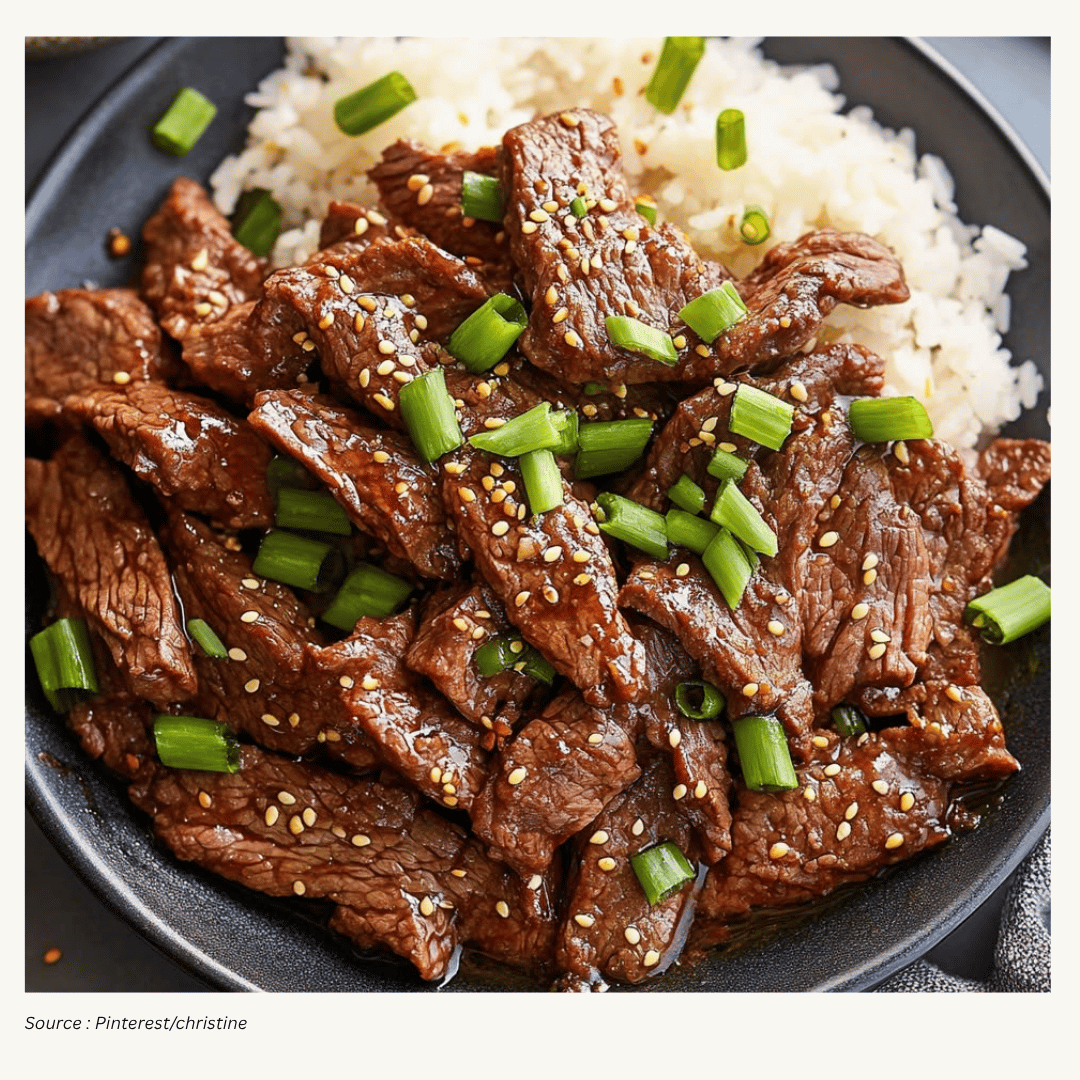
A weeknight stir-fry that delivers big flavor fast
When time is tight but you still want something satisfying, stir-fries tend to rise to the top of the dinner rotation. They’re quick, direct, and forgiving—built around high heat, a short cooking window, and a sauce that pulls everything together. Beef salpicao fits that mold perfectly. It’s a garlicky, umami-forward stir-fry that can be prepared in under 20 minutes, yet tastes like far more effort went into it.
This dish is especially appealing because it doesn’t rely on a long ingredient list. With just nine ingredients, beef salpicao manages to feel complete: savory sauce, buttery richness, and that unmistakable punch of toasted garlic in every bite. It’s the kind of recipe that earns a permanent spot in a busy-week toolkit—fast enough for a weekday, flavorful enough that it doesn’t feel like a compromise.
What beef salpicao is—and where it comes from
Beef salpicao originated in the Philippines. It’s typically made with tender cubes of beef that are marinated in a flavorful sauce and then quickly stir-fried with garlic until cooked to medium or medium-rare. The final dish is commonly served with rice and topped with fried garlic, which adds both flavor and texture.
That last detail matters: garlic isn’t just a background note here. In beef salpicao, garlic is treated as a key component—cooked until golden, set aside, and then returned at the end so it stays aromatic and crisp rather than turning bitter or soggy.
Why the method matters: high heat, short cook time
The defining technique in beef salpicao is the sear. The beef is cooked over medium-high heat, and it’s intentionally kept to a short window—about 1 to 2 minutes per side. The goal is medium-rare to medium. Cook it longer and the beef can become tough, which is why the recipe leans on high temperature and speed rather than a slow simmer.
This approach also helps the sauce cling to the beef without over-reducing or drying out the meat. Once the beef is seared, the sauce and butter are added, and everything is coated quickly. The butter helps round out the savory notes and gives the finished dish a glossy, restaurant-style sheen.
Ingredient flexibility without losing the core character
Like many stir-fries, beef salpicao is adaptable. While the classic version uses beef, you can also make the dish with chicken or pork. The key adjustment is cooking time: different proteins will require different timing to reach a safe and enjoyable texture. The core idea remains the same—quick cooking, a bold sauce, and garlic added in a way that preserves its flavor and crunch.
Because the recipe is built around a small set of ingredients, each one plays a noticeable role. The sauce is described as garlicky and umami flavored, and it’s whisked together before cooking so it can be added at the right moment without delay. That pre-mixing step is a small habit that makes a big difference in stir-fry cooking, where timing matters and the pan doesn’t wait.
Step-by-step overview: how the dish comes together
The process is straightforward and designed for speed. While full measurements and detailed instructions are typically kept in a recipe card format, the essential flow looks like this:
- Cook the garlic in a skillet until golden brown, then remove it when done.
- Meanwhile, whisk together the sauce ingredients until combined.
- Sear the beef over medium-high heat.
- Add the sauce and butter, then coat the beef.
- Add the cooked garlic back in before serving.
That sequence—garlic first, sauce ready, beef seared, sauce and butter to finish—keeps the dish from stalling at any point. It also ensures the garlic is golden rather than burned, and that the beef stays tender rather than overcooked.
Serving ideas: classic with rice, easy with sides
Beef salpicao is usually served with rice, which makes sense given the dish’s sauce-forward nature. Rice catches the savory drippings and turns the meal into something hearty without requiring extra work. The dish also pairs well with side dishes if you want to round out the table, but it’s flavorful enough to stand on its own when you’re aiming for minimal prep.
Because it’s a quick stir-fry, it’s also a good candidate for weeknight pacing: you can start rice first, then cook the garlic and beef while the rice finishes. The result is a complete dinner that still feels intentional—especially once the fried garlic goes on top.
Texture and doneness: the key to tender beef
If there’s one detail that determines whether beef salpicao feels special or merely average, it’s doneness. The beef should be cooked to medium-rare or medium. Past that point, the texture can become too tough. This is why the cooking time is short and the heat is high—about 1 to 2 minutes per side at a high temperature.
In practical terms, that means you want the pan hot and ready before the beef goes in. It also means you should avoid overcrowding the skillet, since too much beef at once can drop the temperature and lead to steaming rather than searing. A proper sear gives you flavor quickly, which is essential in a dish designed to be done in minutes.
Leftovers: storage and reheating without losing too much quality
Beef salpicao can be stored as leftovers, though it’s worth knowing what to expect. Leftovers keep well in the fridge for 2 to 3 days when stored in an air-tight container. However, the texture may be compromised after reheating—an issue common to quickly seared beef dishes, where the original tenderness can change once the meat is cooled and warmed again.
If you do reheat it, a skillet method tends to be gentler than the microwave. While microwaving is possible, reheating in a skillet over low heat with the sauce until warmed through helps maintain more of the dish’s original character. Low heat is important here: it warms the beef without pushing it further into well-done territory.
Why this recipe works well for home cooks
Beef salpicao is a strong example of what weeknight cooking can be when the method is efficient and the flavors are focused. It’s quick, but not bland. It uses a small ingredient list, but doesn’t taste minimal. And it relies on a few smart steps—like cooking garlic separately and whisking the sauce in advance—that keep the final dish balanced.
It’s also the kind of meal that can please a table without requiring complicated prep. One cook who made the dish described it as a hit with their family and said they would definitely make it again. That response fits the recipe’s strengths: it’s approachable, repeatable, and built around flavors that feel immediately rewarding.
Equipment considerations: why your pan matters
In stir-fry style cooking, equipment can influence the outcome. The recipe notes that the equipment you use is important to how it turns out, and that certain tools are needed. Even without a detailed equipment list here, the principle is clear: you want a skillet or pan that can handle medium-high heat and maintain temperature well enough to sear the beef quickly.
Because the beef cooks for such a short time, you’re relying on the pan to do a lot of work in a small window. A stable, hot cooking surface helps you get that quick sear without overcooking the interior.
Practical tips for making it feel effortless
- Prep before heat: Whisk the sauce while the garlic cooks so it’s ready the moment the beef is seared.
- Protect the garlic: Remove it as soon as it turns golden brown so it stays crisp and doesn’t burn.
- Keep the cook time short: Aim for medium-rare to medium by searing 1 to 2 minutes per side at high temperature.
- Finish with butter and sauce: Add them after the sear to coat the beef and build a glossy, savory finish.
- Reheat gently: If you have leftovers, warm them in a skillet over low heat with the sauce until just heated through.
A simple dish with a bold, garlicky payoff
Beef salpicao is proof that a fast recipe doesn’t have to feel like a shortcut. With its Philippine roots, its signature fried garlic topping, and its quick sear-and-sauce method, it delivers a concentrated, umami-rich flavor profile in a remarkably short amount of time. It’s easy enough for a weekday, satisfying enough to repeat, and flexible enough to adapt to other proteins when needed—as long as you respect the cooking time.
If you’re looking for a reliable stir-fry that feels both comforting and sharp-edged with garlic, this is the kind of recipe that earns its place in regular rotation: nine ingredients, one hot skillet, and dinner on the table in under 20 minutes.