
A Back-to-Basics Cheeseburger Recipe You Can Build On All Summer
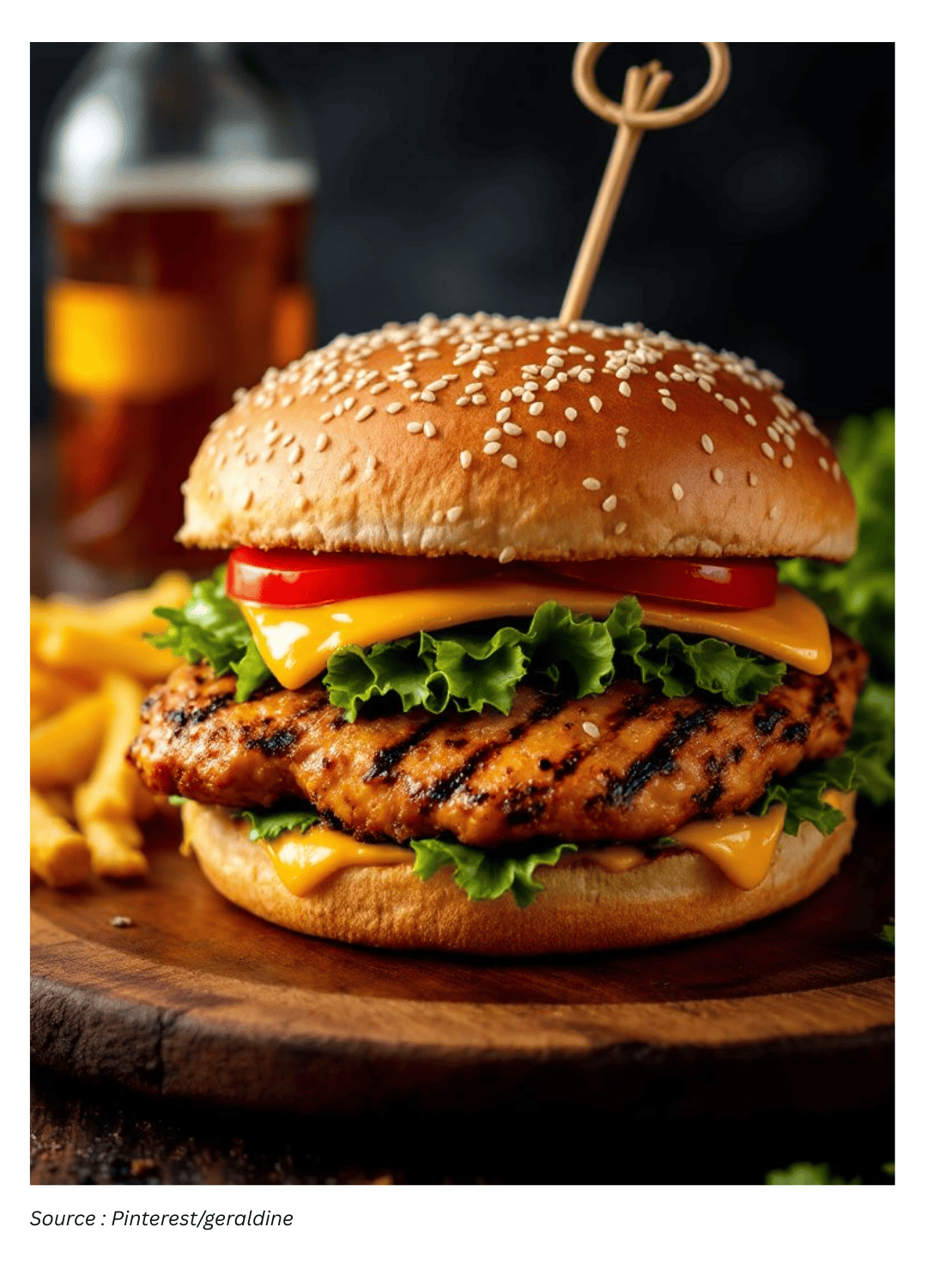
The best cheeseburger starts with the basics
Everyone has their own idea of the “perfect” cheeseburger. Some people want every topping imaginable stacked high; others prefer a simpler build that lets the beef and cheese do the talking. But regardless of where you land, a truly great burger has to nail the fundamentals first: a properly shaped patty, confident seasoning, a cooking method that creates a real crust, and toppings that bring contrast without overwhelming the bite.
This approach is designed to be a dependable foundation for cookouts and casual dinners alike. You can keep it classic with lettuce, tomato, onion, and pickles, or use the same base and get creative once you’ve mastered the core technique. The goal here isn’t to complicate the burger—it’s to make sure the essentials are handled so well that any toppings you choose feel like a bonus, not a rescue mission.
Start with three evenly sized patties
The first step is simple: shape your ground beef into three equal-sized patties. Consistency matters. When patties are roughly the same size and thickness, they cook at the same pace, which makes it easier to hit the doneness you want without overcooking one and undercooking another.
Size the patties with the bun in mind. A useful guideline is to make each patty about 1 inch wider than the bun. Patties tend to shrink as they cook, so starting slightly larger helps ensure you don’t end up with a burger that looks small or gets lost in the bread.
Before cooking, press a wide, shallow indent into the center of each patty using your finger. This small move can make a big difference in the final shape. It helps the patty cook more evenly and can reduce the tendency for the center to puff up, which can throw off stacking and make toppings slide.
Season generously—don’t be shy
Seasoning is one of the easiest places to fall short. The method here is direct: when you’re ready to cook, season both sides of each patty generously with salt and pepper. The emphasis is on generosity for a reason. A burger patty is thick, and it needs enough seasoning to carry flavor all the way through each bite.
Because the rest of the burger includes bread, cheese, and toppings, under-seasoned beef can taste flat once everything is assembled. Treat the seasoning step as a core part of the recipe, not a quick afterthought.
Grill or skillet: the process is similar
You can cook these burgers on a grill or in a skillet. The overall timing and process are basically the same either way: you’re aiming to develop a crust on the first side, flip, add butter, then finish cooking and melt the cheese. The key principles—high heat, minimal movement, and patience—translate well to both methods.
If you’re cooking indoors, the stovetop method is straightforward and reliable, especially when you want consistent results without relying on outdoor conditions. The steps below focus on the skillet approach, but the same mindset applies if you’re cooking outside.
Stovetop method: use a hot cast-iron skillet
Heat a cast-iron skillet over medium-high heat and wait until it’s very hot. Cast iron is particularly useful here because it holds heat well, which helps create that browned exterior that makes a burger taste like a burger.
Depending on the size of your skillet, you may need to cook in batches. Avoid overcrowding the pan. When too many patties go in at once, the temperature drops and moisture builds up, which can interfere with browning. Giving each patty some breathing room helps it sear rather than steam.
Let the first side cook undisturbed for a crust
Once the patties hit the pan, the most important instruction is also the hardest for many home cooks: leave them alone. Cook the patties on one side until a crust develops and they’re no longer pink on that side. This stage takes around 6 minutes.
Resist the urge to press down on the patties or shuffle them around. A good crust develops when the meat has steady contact with the hot surface. Moving the burger too soon can interrupt browning and lead to a paler, less flavorful exterior.
Think of the first side as the foundation. If you give it time, you’ll get a better texture and a deeper, more savory flavor. The burger will also be easier to flip cleanly once it has properly released from the pan.
Flip, brush with melted butter, and keep cooking
After the first side has developed its crust (about 6 minutes), flip the patties. Immediately brush melted butter on top of each patty. This step adds richness and helps build flavor as the second side cooks.
Cook the other side, again undisturbed, until it is browned—around 3 minutes more. The “undisturbed” part still matters here. You’re continuing to build color and texture, and letting the heat do its job without interference is the simplest way to get there.
Add cheese and cook to your preferred doneness
Once the second side has browned, top each patty with a slice of cheese. Continue cooking until you reach your desired level of doneness. For a medium burger, it will take around 3 minutes more.
At this stage, you’re doing two things at once: finishing the interior to the doneness you want and giving the cheese time to melt. Keeping the process steady and controlled helps you avoid overcooking the beef while you wait for the cheese to soften.
When the patties are done, set the burgers aside while you prep the buns and sauce. This also keeps the assembly process calmer and helps you build each burger quickly while everything is still warm.
A simple burger sauce for extra flavor
If you want a quick sauce that brings the whole burger together, mix mayonnaise, mustard, pickle juice, and paprika in a bowl, then season with pepper. It’s a small list of ingredients, but it covers a lot of ground: creaminess from the mayo, tang from mustard and pickle juice, a hint of warmth from paprika, and a little bite from pepper.
This sauce is designed to work with classic toppings and melted cheese without overpowering the beef. It also helps add moisture to the bun, which can make the burger feel more cohesive from the first bite to the last.
Classic toppings that add crunch and balance
For a traditional build, use crisp, fresh toppings that contrast the richness of the patty and cheese. A classic combination includes iceberg lettuce, thinly sliced tomatoes, finely chopped white onion, and sliced dill pickles.
These toppings are popular for a reason. Lettuce adds crunch and a cool bite. Tomato adds juiciness. Onion brings sharpness. Pickles add acidity that cuts through the fat of the beef and cheese. Together, they create a burger that tastes full and balanced rather than heavy.
How to assemble the burger
Assembly is quick, and it’s worth doing in a consistent order so the sauce and toppings stay where you want them:
- Spread the burger sauce on the bottom bun.
- Add the cheeseburger patty.
- Top with your chosen toppings (for example: lettuce, tomato, onion, and pickles).
- Spread a bit more sauce on the top bun.
- Close the burger and serve.
Putting sauce on both buns helps distribute flavor and can also act as a barrier that keeps the bun from feeling dry. It’s a small detail, but it can make the burger taste more intentional and finished.
Make it your own once you’ve mastered the classic
The strength of this burger method is that it’s flexible. Once you’re comfortable with shaping patties, seasoning properly, and cooking them long enough to develop a crust, you can use the same foundation for countless variations. The patty technique stays the same even if you change the toppings.
If you’re cooking for a group, this is especially helpful: you can cook the patties the same way for everyone, then set out toppings and let people build their own burgers. That way, the base stays consistent and each person can customize without complicating the cooking process.
Leftover burgers: storage and timeline
If you end up with leftover patties, store them in an airtight container in the refrigerator for 3 to 4 days. Keeping them sealed helps prevent them from drying out and keeps refrigerator odors from affecting the flavor.
When planning for leftovers, it can help to store patties separately from buns and fresh toppings. That way, you can reheat the patty as needed while keeping lettuce, tomato, onion, and pickles crisp for the next meal.
Key takeaways for consistent results
- Shape evenly: three equal patties cook more predictably.
- Go wider than the bun: about 1 inch wider helps account for shrinkage.
- Indent the center: a wide, shallow dimple helps the patty keep a better shape.
- Season generously: salt and pepper on both sides should be confident, not timid.
- Use high heat and patience: a very hot skillet and an undisturbed cook build a real crust.
- Butter after flipping: brushing melted butter adds richness as the second side browns.
- Melt the cheese while finishing: keep cooking until you reach your preferred doneness (medium takes about 3 minutes more after adding cheese).
- Balance with classic toppings: iceberg lettuce, tomato, white onion, and dill pickles bring crunch and acidity.
A reliable burger for cookouts and weeknights
This cheeseburger method is built for repeatability. It’s not about chasing novelty—it’s about getting the fundamentals right so the burger tastes great whether you’re cooking for a holiday cookout or a simple dinner at home. Once you’ve got the seasoning, crust, and timing down, you’ll have a go-to burger you can confidently serve all summer long, then keep in rotation whenever the craving hits.
And if you like the idea of a burger that adapts to your mood, this is a strong starting point: keep it classic, pile on toppings, or swap in your favorites. As long as the patty is shaped well, seasoned boldly, and cooked with patience, the rest is just personal style.