
Southern Chefs on the Fast-Food Fried Chicken They Crave After Service
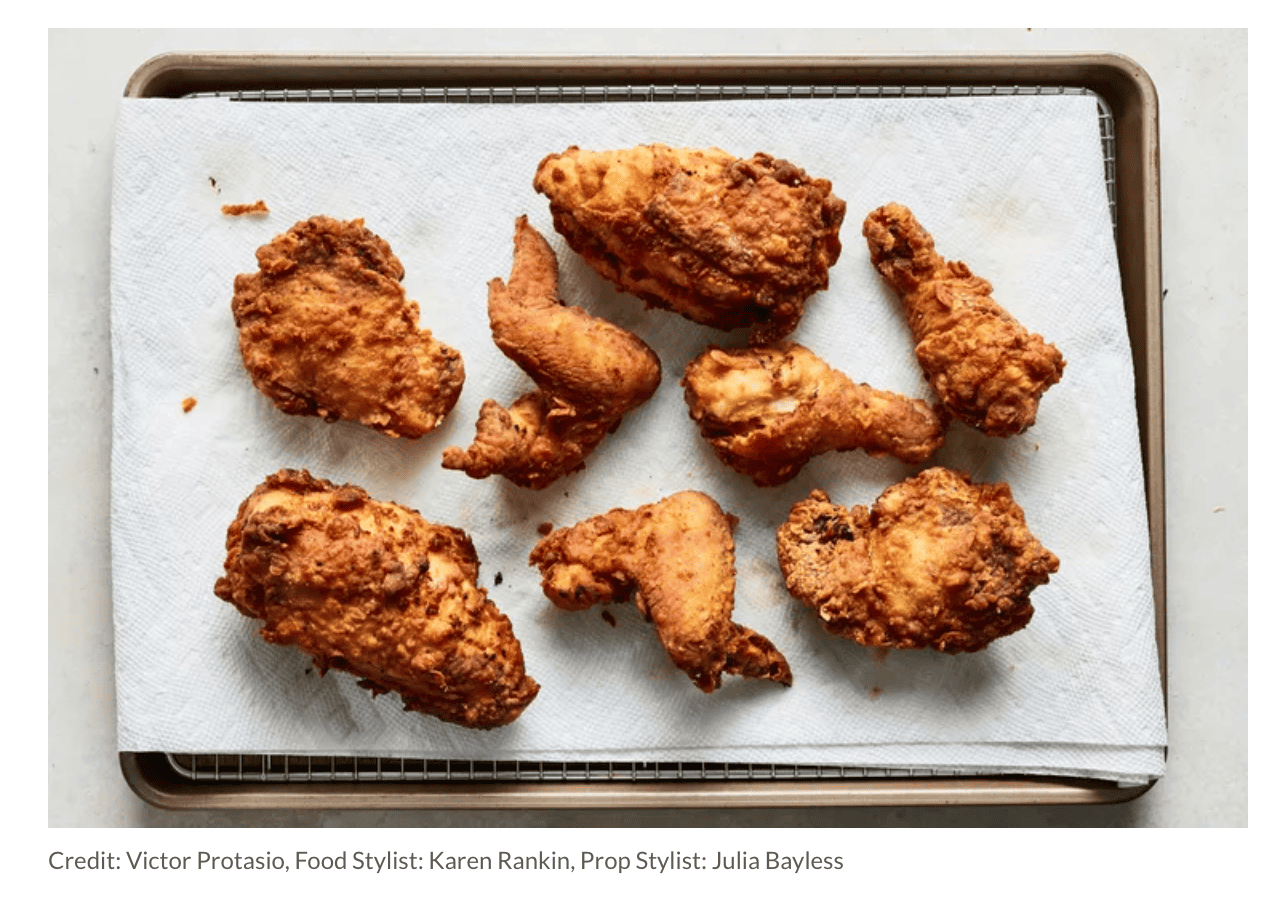
When the chef isn’t cooking, the craving is still real
Fried chicken is one of those foods that carries both craft and comfort. It’s technical—temperature, timing, seasoning, and crunch all matter—but it’s also deeply personal. Everyone remembers a first great bite, a favorite place, or the way it feels to open a warm box after a long day. That includes the people who cook for a living.
Southern chefs, in particular, tend to have strong opinions about fried chicken. They spend their working hours thinking about crispness, juiciness, and seasoning, and they know exactly what it takes to make it right. But when service is over and they’re tired, hungry, and not interested in washing another pan, the appeal of fast-food fried chicken becomes obvious: it’s hot, crunchy, and made for you.
To understand what “off-duty” fried chicken looks like for professionals, two Southern chefs and Top Chef alumni were asked to name their favorite fast-food fried chicken options—and to describe how they actually eat them. Their answers weren’t just about brands. They were about rituals, late-night habits, and the small upgrades that can turn a simple meal into something that feels tailored to the moment.
Chef Nick Wallace: a four-piece order—and a home upgrade
Chef Nick Wallace, who runs a catering business and restaurants in Jackson, Mississippi, spends a lot of time around chicken. He goes through over 200 pounds of chicken thighs a week. That kind of volume suggests he understands the difference between chicken that’s merely fine and chicken that hits the mark when you really want it.
When Wallace wants fried chicken after a long day, he has a clear destination: Popeye’s. It’s not a vague preference, either. He knows exactly what he wants to order and exactly how he wants to eat it.
His go-to is a four-piece meal built around variety: a breast, wing, leg, and thigh. For him, the appeal is partly in the range of textures and bites you get from different cuts—something many fried chicken fans can relate to. A wing offers crisp edges and quick satisfaction; a thigh brings richness; a leg is classic; and the breast, when cooked well, delivers heft and a clean, straightforward bite.
But Wallace’s approach doesn’t stop at the drive-thru window. In his version of the perfect fast-food fried chicken night, the chicken comes home first. That’s where the real personalization happens.
The “counter meal”: jalapeños, jam, and no fuss
Wallace keeps a few staples on hand that make his takeout feel like his own. He says he always has pickled jalapeños in the fridge, along with bacon jam or onion jam of some sort. Once the chicken is home, he tops it with jam and jalapeños and eats it right over the counter.
His description is striking because it’s so practical. There’s no talk of plating, no insistence on a table setting, no need to turn dinner into a project. The only tool he says you need is a paper towel.
That detail captures something true about how many people eat fried chicken at home: it’s hands-on, it’s messy in the best way, and it’s often best when you don’t overthink it. Wallace’s add-ons—pickled jalapeños and a sweet-savory jam—also underline how easily fried chicken can take on new life with a couple of strong flavors.
Pickled jalapeños bring acidity and heat, cutting through the richness of fried chicken and waking up the palate. Bacon jam or onion jam adds sweetness and depth, leaning into the salty, savory side of the crust. Together, they create contrast: crunchy and sticky, spicy and sweet, rich and sharp.
A memorable bite: crispy chicken with dukkah
Wallace’s love of flavor doesn’t end with jalapeños and jam. One particularly memorable bite described from a recent experience involved a chicken leg that was perfectly seasoned—crispy and juicy—topped with dukkah.
Dukkah is a Middle Eastern seasoning blend made from crushed nuts, herbs, and spices. Used as a topping, it can add texture and a layered, aromatic quality that plays well with fried chicken’s crunch. The point isn’t that everyone needs to keep dukkah on the shelf. It’s that Wallace thinks in terms of finishing touches—ways to add a final hit of flavor and texture to something already satisfying.
It’s also a reminder that “fast food” doesn’t have to mean “one-note.” For a chef, even a takeout meal can be a canvas for small, high-impact additions. Wallace frames this approach as a kind of reward at the end of the day: the best meal after a long stretch of work, made better with what’s already in the fridge.
Wallace’s fast-food pick: Popeye’s
His order: four-piece (breast, wing, leg, thigh)
His at-home “upgrade”: pickled jalapeños plus bacon jam or onion jam
His style: eat it over the counter with a paper towel—simple and direct
Chef Arnold Myint: a weekly grocery-store favorite
Chef Arnold Myint, known for Thai-style fried chicken served out of International Market in Nashville, Tennessee, also has a clear relationship with fried chicken beyond his own kitchen. When he’s not sourcing and serving his own version, he’s touring Nashville’s hot chicken spots. That alone says something: for him, fried chicken isn’t a one-and-done craving. It’s a category, a culture, and something worth exploring.
Yet his personal favorite indulgence isn’t necessarily the newest hot chicken place or a chef-driven special. It’s something more familiar and, in his telling, more consistent: Publix fried chicken.
Myint says he gets it almost every week. The setting matters here. This isn’t a late-night drive-thru run; it’s a grocery-store purchase that becomes part of a routine. And the way he describes eating it makes it feel like a private comfort—something you pull from the fridge when you want a satisfying snack without effort.
Meal prep, fridge food, and why Publix fits
Myint connects his Publix habit to the rhythm of his household. He says he meal preps for his nannies and that he always makes mac and cheese and greens because they last well in the fridge. That detail paints a picture of how food functions in real life: not just as a restaurant experience, but as something you plan for, store, and rely on during busy weeks.
Within that context, Publix fried chicken becomes part of the same logic. It’s something you can buy, bring home, and enjoy later. It’s a ready-made comfort that fits into a fridge-based routine—especially for someone who spends much of his time cooking for others.
Myint’s praise is specific. He calls Publix fried chicken the best franchise or chain-fried chicken, and he points to a key reason: it’s cooked perfectly all the way through, from breading to bone.
That’s a meaningful compliment coming from a chef. Fried chicken can look done on the outside and still be wrong underneath, or it can be fully cooked but lose juiciness. Myint’s emphasis on being cooked properly “from breading to bone” suggests he values consistency and execution. It’s not just about flavor; it’s about trust. When you bring fried chicken home, you want to know it will eat the way it’s supposed to.
Myint’s fast-food/chain pick: Publix fried chicken
How often: almost every week
What he values: cooked perfectly all the way through, from breading to bone
A formative favorite: Jollibee and the pull of nostalgia
Myint also ties his love of fried chicken to a formative experience: eating at Jollibee, a Filipino restaurant chain known for fried chicken and spaghetti served together. He says he couldn’t talk about his love for fried chicken without mentioning it, which frames Jollibee as more than a casual preference. It’s part of his personal food memory.
That pairing—fried chicken with spaghetti—stands out because it’s unexpected to some diners and completely normal to others. In Myint’s telling, it’s not just a novelty. It’s a combination that stuck with him and still holds a special place in his heart.
He notes that many Jollibee locations are in California, a practical detail that helps explain why it’s not necessarily an everyday stop for him now. Still, the memory matters. And there’s an interesting resonance in how he describes the pairing: something about fried chicken with a side of spaghetti feels “mighty Southern.”
That observation isn’t presented as a strict culinary rule; it’s more like a feeling. Fried chicken is a food that travels well across regions and cultures, and it often finds itself alongside comforting starches—mac and cheese, biscuits, mashed potatoes. In that light, spaghetti as a side dish becomes another form of comfort, another way to make a meal feel abundant and satisfying.
What these picks reveal about comfort, consistency, and control
Taken together, the chefs’ choices show how professionals think about fast-food fried chicken when they’re the customer. Their picks aren’t framed as definitive rankings. Instead, they reflect different needs at different moments.
For Wallace, the craving is met by a specific order, then elevated at home with bold toppings. His approach is about taking something convenient and making it feel personal. It’s also about contrast—heat and sweetness, crunch and stickiness—and about the pleasure of eating without ceremony when the day has been long.
For Myint, the appeal is consistency and the way a familiar option fits into weekly life. Publix fried chicken isn’t described as a special occasion food; it’s described as a reliable favorite that’s cooked correctly and works as a fridge snack. And his mention of Jollibee highlights the role of memory: how early experiences can shape what we crave and what we consider comforting.
In both cases, the story isn’t just “where to buy fried chicken.” It’s how fried chicken becomes part of a routine—how it’s eaten, when it’s eaten, and what small details make it feel right.
How to borrow their approach at home (without overcomplicating it)
You don’t need a professional kitchen to take a cue from these chefs. Their ideas are refreshingly simple: start with fried chicken you enjoy, then tailor it to your mood with what you already have.
Think in toppings, not recipes: Wallace’s pickled jalapeños and jam show how one or two strong additions can change the whole experience.
Lean on fridge-friendly comfort: Myint’s routine—mac and cheese, greens, and fried chicken that holds up—reflects how satisfying food often comes from what’s easy to keep and reheat.
Let nostalgia count: If a certain combination makes you happy, it doesn’t need to be explained. Myint’s affection for fried chicken with spaghetti is a reminder that comfort is personal.
A chef’s-eye view of a very human craving
It’s easy to assume chefs always eat in a way that looks like a magazine spread, or that their cravings are always for the most “authentic” or most difficult-to-get dish. But these fried chicken favorites tell a different story—one that feels relatable.
After long workdays, even experts want food that’s crunchy, hot, and satisfying without extra effort. Sometimes that means a four-piece box that gets dressed at home with pickled jalapeños and jam. Sometimes it means grocery-store fried chicken you trust to be cooked right to the bone. And sometimes it means remembering the joy of fried chicken served with spaghetti, a pairing that can stick with you for years.
In the end, the chefs’ recommendations aren’t just about places to go. They’re about the small decisions that make fast-food fried chicken feel like a real meal: the order, the add-ons, the late-night bite from the fridge, and the comfort of knowing exactly what you want.