
Stuffed Pizza Bites: A Fast, Crowd-Friendly Snack Built on Store-Bought Dough
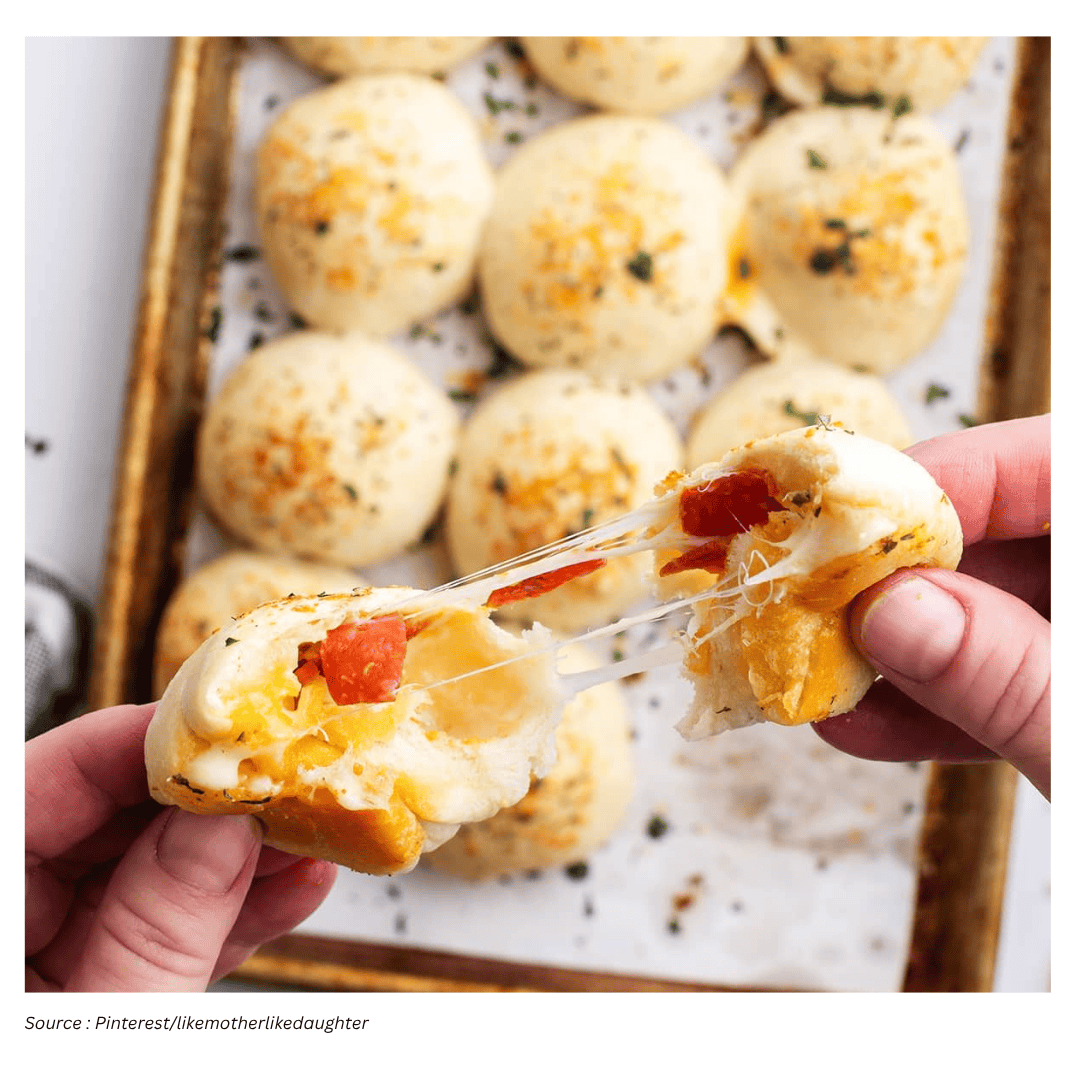
A snackable take on classic pizza
When the occasion calls for finger food—whether that’s a children’s playdate, a football game day spread, a neighborhood potluck, or a fun weeknight dinner—pizza is often a safe bet. The challenge is making it easy to serve, easy to eat, and quick enough that it doesn’t feel like a project. Stuffed pizza bites solve that problem by delivering the familiar pleasures of pizza (golden crust, gooey cheese, savory sauce) in a compact, hand-held form.
The approach is simple: use refrigerated pizza dough as a shortcut, portion it into small squares, add a modest amount of sauce and cheese, then roll each piece into a tight ball so the filling stays tucked inside. A quick brush of seasoned olive oil mixed with Parmesan adds flavor and helps create a savory, Italian-leaning crust. In less than 30 minutes, you can bring a warm platter to the table—complete with a dip in the center for easy sharing.
Why refrigerated dough makes this recipe so practical
Refrigerated pizza dough is the key to keeping these bites firmly in the “weeknight friendly” category. Instead of mixing and proofing dough, you roll out what you already have, cut it into portions, and focus on filling and shaping. The result is a snack that feels homemade without requiring a long prep window.
That said, the same method works with other dough options. If you prefer fresh dough from a deli counter or want to make your own, you can still follow the same steps—just let fresh dough sit at room temperature so it becomes pliable, then roll it out to about ¼-inch thick. That thickness matters: too thin and the dough may struggle to hold the filling; too thick and the bites can become bready rather than balanced.
Ingredients that keep the flavors familiar
The base version relies on a short list of recognizable pizza staples. You’ll need refrigerated pizza dough, mozzarella cheese sticks (often called string cheese), pizza sauce, and sliced pepperoni. A small mixture of olive oil, grated Parmesan, Italian seasoning, and garlic granules gets brushed on top before baking. For serving, warm marinara sauce is a natural partner for dipping, and ranch dressing is another option. If you want a fresh finishing touch, chives can be used as an optional garnish.
This ingredient set is intentionally straightforward. It’s designed to be easy to shop for and easy to customize, which is part of what makes the recipe useful for feeding groups with different preferences.
Step-by-step method (with the key details that matter)
These bites come together quickly, but a few small technique choices make the process smoother and the results more consistent. The goal is to portion evenly, avoid overfilling, and seal each ball well so the sauce and cheese stay inside as they bake.
- Prepare the pan: Spray a 9-inch round pan with cooking spray.
- Portion the dough: Lay the pizza dough on a flat surface and use a pizza cutter to cut it into 24 squares.
- Add sauce carefully: Place 1–2 teaspoons of sauce in each square. This amount gives flavor without making the dough difficult to seal.
- Add the cheese: Place a piece of mozzarella on top of each sauced square.
- Shape into balls: Roll each dough square into a tight ball, ensuring the filling is tucked inside. Pinch seams to help the ball stay closed.
- Arrange for baking: Place each ball in the prepared pan. If they don’t all fit, bake the remaining bites on a sheet pan.
- Make the topping mixture: In a small bowl, mix olive oil, grated Parmesan, Italian seasoning, and garlic granules.
- Brush for flavor and color: Brush the seasoned oil over the tops of the pizza bites.
- Bake: Transfer to the oven and bake for 10–12 minutes.
- Serve warm: Serve the bites warm, optionally garnished with chives and paired with marinara for dipping. Ranch dressing is another dipping option.
One reassuring note: if your dough balls aren’t perfectly round and some come out a bit oblong, the finished bites will still taste great. The more important part is sealing them well so the filling stays contained.
How to prevent leaks and keep the bites tidy
Because these are filled, the most common pitfalls are overfilling and under-sealing. Both can lead to sauce escaping during shaping or baking. A measured approach keeps everything contained and makes the bites easier to serve.
- Keep sauce to 1–2 teaspoons: It’s tempting to add more, but too much sauce can get messy and won’t stay inside the dough ball as easily.
- Stick to about ¼-inch dough thickness: Rolled too thin, the dough may not support the filling; too thick, and the ratio can feel off.
- Make even squares: Uniform portions help the bites bake at the same pace. You can eyeball it, or use a ruler for consistency. Marking cut lines with a bench scraper can also help.
- Pinch seams firmly: When you roll each square into a ball, pinch the seams so the dough stays together.
- Consider the size of pepperoni: If the pepperoni slices are thick, dicing them can make the dough easier to close into a neat ball.
These small adjustments don’t add time, but they do make the final platter look cleaner and the eating experience more satisfying—especially if you’re serving them to a group.
Serving ideas that fit different occasions
Stuffed pizza bites are designed for sharing. They’re easy to pick up, easy to portion, and naturally suited to dips. A popular way to present them is on a platter with warm marinara in the center for dipping, which keeps the setup simple and encourages guests to help themselves.
They also work as a casual dinner option. Because the bites bake quickly and don’t require complicated sides, they can be paired with a dip and served as a fun alternative to a traditional pizza night. If you’re feeding a mix of ages, the familiar flavors and snack format tend to make them approachable.
Easy swaps for sauce, cheese, and fillings
One of the strengths of this recipe is how easily it adapts to different tastes while staying “snackable.” The basic structure—dough, a small amount of sauce, a piece of cheese, and a topping—can be adjusted without changing the method.
Dough options: In addition to refrigerated dough, you can use fresh dough from a deli counter or homemade dough. If using fresh dough, let it sit at room temperature first so it’s easier to roll and shape, then roll it to about ¼-inch thick.
Sauce options: Pizza sauce is the classic choice, but marinara works just as well. For a different direction, you can use spicy arrabbiata sauce, pesto, or Alfredo sauce.
Cheese options: Mozzarella sticks are convenient because they portion easily, but cubed or shredded mozzarella can also be used. If you want a sharper flavor, provolone or fontina are alternatives.
Meat options: Pepperoni is a familiar standard, but cooked sausage, diced ham, or crumbled bacon can be swapped in.
Vegetarian options: Typical pizza vegetables work well here, including diced bell peppers, chopped olives, diced onions, or sautéed mushrooms.
Heat and seasoning: If you like a little spice, red pepper flakes can be added either to the filling layer or to the seasoned oil mixture brushed on top before baking.
These swaps make it possible to tailor the bites to a family’s preferences or to offer a mixed platter—without changing the basic workflow.
Planning and batching: what to do if your pan is full
The recipe is designed around a 9-inch round pan, but the number of bites (24) means pan space can vary depending on how tightly they’re rolled and arranged. If your pan doesn’t comfortably fit them all, it’s fine to bake the remaining bites on a sheet pan. That flexibility is useful when you’re doubling the recipe for a gathering or when you want to keep batches separate for different fillings.
What makes these bites a reliable crowd-pleaser
Pizza bites work because they deliver familiar flavors in a format that’s easy to serve. The seasoned olive oil and Parmesan topping adds an extra layer of savory flavor and helps the crust taste intentionally seasoned rather than plain. Inside, the combination of sauce and mozzarella gives that classic pizza pull and richness, while pepperoni brings a salty, savory note.
Most importantly, the recipe is built to be flexible. You can keep it classic for picky eaters, make a vegetarian version with common pizza vegetables, or change up the sauce and cheese for variety—all while using the same basic technique. That combination of speed, adaptability, and recognizable flavor is what makes stuffed pizza bites a practical option when you need something that’s almost guaranteed to make people happy.