
Homemade Oven-Baked Meatballs: A Simple, Flavor-Packed Approach for Pasta, Subs, and Pizza
Why homemade meatballs are worth the effort
Spaghetti and meatballs has a way of sticking with people. It is one of those familiar, comforting dishes many of us remember from childhood—and, if we are honest, it still holds the same appeal as adults. Because it is so common, it is also one of the easiest meals to “shortcut” with a bag of frozen meatballs from the store. They are convenient, widely available, and require almost no planning.
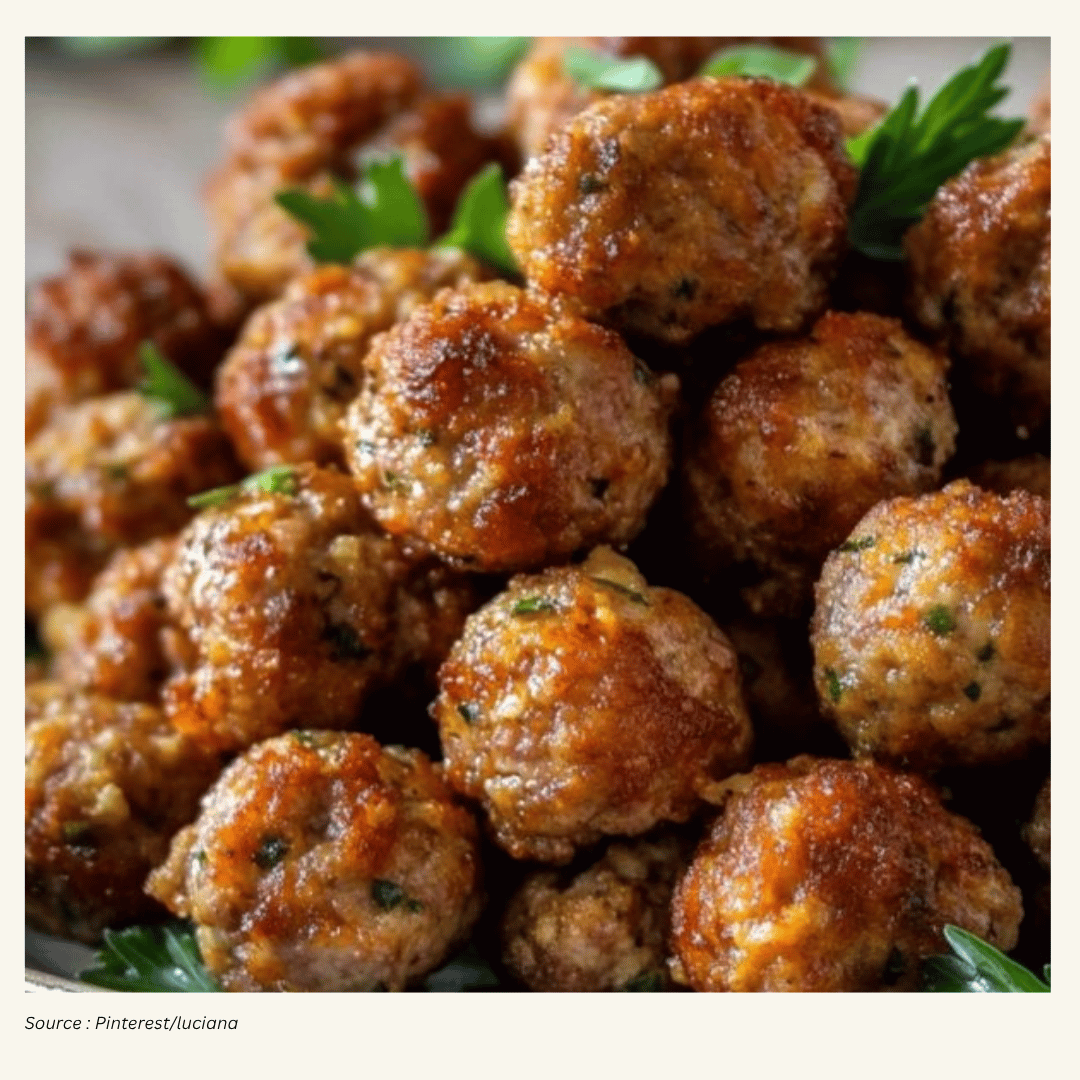
But convenience is not the same as quality. Once you take the time to make meatballs at home—especially oven-baked meatballs that develop a charred exterior while staying moist inside—it becomes clear why homemade versions have a loyal following. A good meatball is not just ground meat shaped into a ball. It is a balance of texture and flavor: browned on the outside, tender within, and seasoned well enough to stand on its own even before it meets a sauce.
This style of homemade meatballs is designed to be simple to make and packed with flavor. It is also flexible: you can pair the meatballs with whatever sauce you crave, though it is hard to beat serving them with a roasted tomato sauce. If you have eaten your fair share of meatballs, you can usually tell the difference immediately between a so-so one and a truly satisfying one. The goal here is the latter—meatballs that taste like they were made with care, not pulled from a freezer aisle.
What makes a “quality” meatball?
People often talk about meatballs as if they are all basically the same. In practice, small choices change the final result. A quality meatball, as many home cooks learn over time, tends to have two defining traits:
- A charred or well-browned exterior that brings depth of flavor and a pleasant texture.
- A moist, flavorful interior that stays tender rather than dry or dense.
Oven-baking is a straightforward way to achieve that contrast. It allows the outside to brown while the inside cooks through gently. When done well, the meatballs are satisfying even before you add them to pasta or tuck them into a roll.
Choosing your meat: beef, pork, or poultry
A classic approach for meatballs is to use a combination of ground beef and ground pork. The blend is often recommended for flavor, and it is a reliable choice if you want a rich, traditional result. That said, the method is not limited to a specific mix. If you prefer, you can make the meatballs with all beef or all pork and still end up with a good batch.
If you would rather use lighter meats, ground turkey or ground chicken can also work. The same overall approach applies, and many cooks find poultry meatballs to be a useful alternative when they want something different while keeping the familiar meatball format.
Breadcrumb options: Italian breadcrumbs, panko, or homemade
Breadcrumbs are one of those pantry ingredients that can make meatballs feel effortless—until you realize you are out. The good news is that you have options, and you do not need to postpone meatballs just because you do not have Italian breadcrumbs on hand.
- Italian breadcrumbs: A convenient, commonly used choice for meatballs.
- Panko: A solid substitute if that is what you have available.
- Homemade breadcrumbs: If you have leftover bread, you can make your own by putting it in a food processor to create crumbs.
- Crushed crackers: An option that can work in a pinch when you need a quick stand-in.
This flexibility is part of what makes homemade meatballs approachable. You can work with what is in your kitchen and still end up with a batch that feels intentional and satisfying.
How to serve homemade meatballs beyond spaghetti
Spaghetti and meatballs may be the most recognized pairing, but it is far from the only way to enjoy them. In fact, once you have a reliable homemade meatball, it becomes a versatile building block for multiple meals.
Here are a few serving ideas that keep the focus on comfort and practicality:
- Over pasta: The most obvious—and for good reason. Meatballs and pasta are a classic combination that works with many sauces.
- In a sub: A meatball sub turns the same components into a hearty sandwich, ideal for an easy dinner.
- On pizza: Meatballs can be added to pizza for a different take on a familiar topping. Let the meatballs cool enough to handle, then slice or break them up as needed.
Because these meatballs are designed to be flavorful on their own, they can hold up across these formats without getting lost. Whether you are twirling pasta, building a sandwich, or topping a pizza, the meatball remains the centerpiece.
Pairing with sauce: flexible, but roasted tomato sauce is a standout
One of the advantages of a well-seasoned homemade meatball is that it can pair with many sauces. You can match it to whatever you are craving, which makes meatballs useful for weeknight cooking: the meatballs can stay consistent while the sauce changes depending on mood or what you have available.
That said, it is hard to top the combination of meatballs with roasted tomato sauce. The pairing is familiar, balanced, and built around flavors that many people associate with classic Italian-American comfort food. If you are making meatballs for the first time in a while, serving them this way is a dependable route to a satisfying meal.
Freezing meatballs for future meals
Homemade meatballs are not only about the meal you are making today. They are also a smart way to plan ahead. If you are already mixing and shaping meatballs, it often makes sense to prepare enough to freeze for later. Having a stash of homemade meatballs can make future dinners feel nearly as convenient as store-bought—without giving up the homemade texture and flavor.
The freezing process is straightforward:
- Let the meatballs cool enough to handle.
- Scrape off any fat that might release.
- Place the meatballs in a single layer on a baking sheet and freeze until firm.
- Transfer the frozen meatballs to a freezer bag so they do not stick together.
When you are ready to eat, reheating is simple as well. Place the frozen or thawed meatballs in your sauce and cook until heated through. This method keeps them moist and helps them absorb some of the sauce as they warm up.
Making homemade meatballs part of your regular rotation
Many people love Italian-inspired comfort food, from breaded chicken parmesan to lasagna made with ground meat. Meatballs fit naturally into that lineup because they are both familiar and adaptable. They can be the centerpiece of a classic spaghetti dinner, a casual sandwich night, or a creative pizza topping. And once you have made them at home, it becomes easier to see why they are worth repeating.
There is also a practical side to mastering homemade meatballs: they scale well. You can make them for a family dinner, prepare extra for the freezer, or build multiple meals from one cooking session. That kind of flexibility is valuable, especially when you want food that feels comforting without requiring complicated techniques or hard-to-find ingredients.
A simple takeaway
If you have relied on frozen meatballs in the past, homemade oven-baked meatballs are a manageable next step. The process is approachable, the ingredient options are flexible (from beef and pork to turkey or chicken), and the serving possibilities go well beyond spaghetti. Aim for the hallmark traits—a charred exterior and a moist, flavorful inside—and you will have a meatball that stands out in any dish you build around it.
Whether you serve them with roasted tomato sauce, pile them into a sub, or add them to pizza, homemade meatballs can turn a familiar meal into something that tastes more deliberate—without making the cooking feel complicated.