
Philly Cheesesteak Casserole: A One-Skillet Pasta Take on a Classic Sandwich
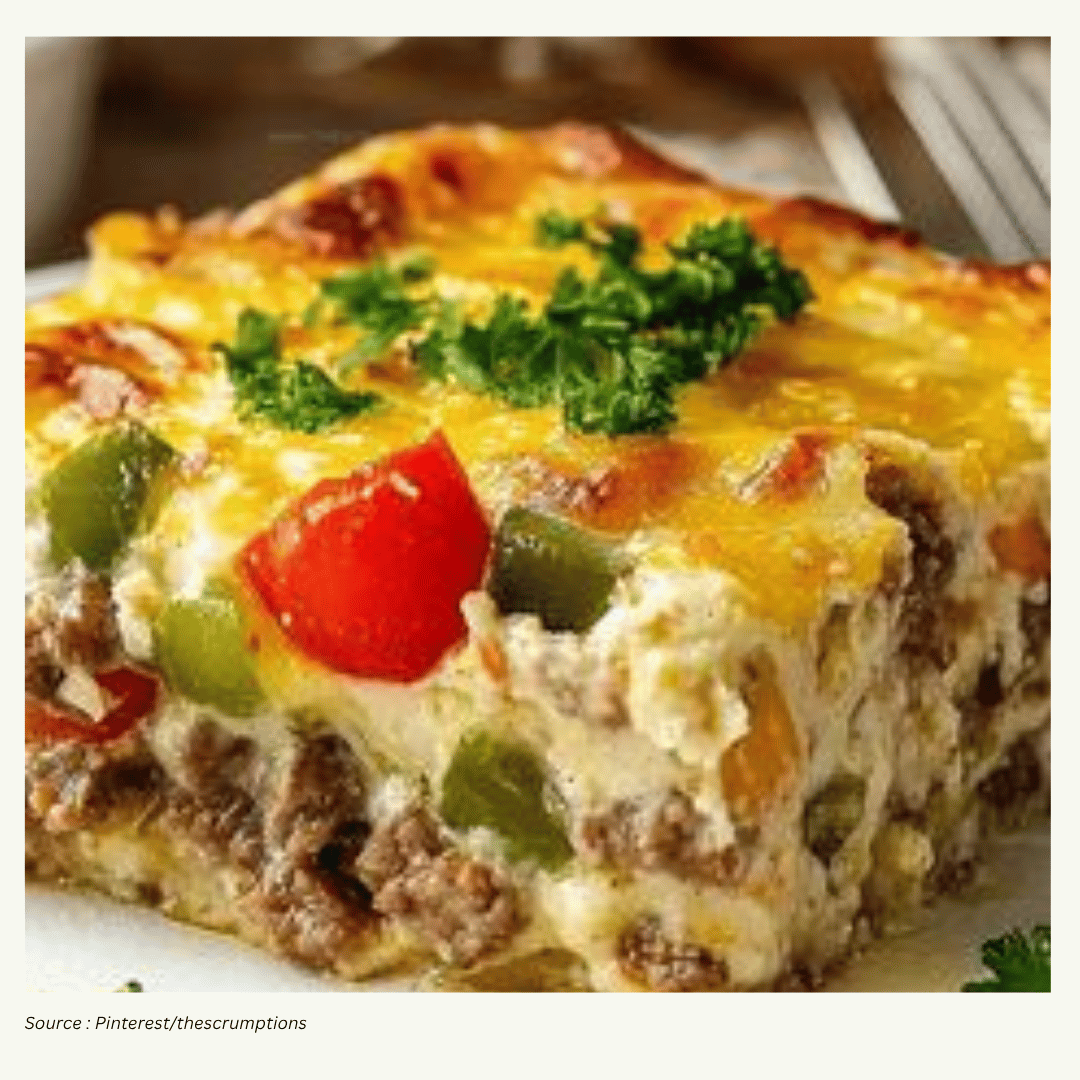
A cheesesteak-inspired dinner you can actually share
There are some foods that feel almost too personal to share—especially when they arrive hot, cheesy, and packed with savory beef. The Philly cheesesteak is one of those dishes for many people: a warm roll, melt-in-your-mouth beef, and a generous layer of cheese that makes the whole sandwich feel like a complete meal in one hand.
This Philly cheesesteak casserole takes that same idea and shifts it into a format that’s easier to portion, serve, and bring to the table for more than one person. Instead of a sandwich, the familiar flavors are folded into pasta, cooked in a single skillet, and finished with a broiled cheese topping. The result is comfort food that leans into what people love about a cheesesteak—beef, cheese, and a satisfying bite—while offering the practicality of a casserole-style meal.
It’s also the kind of dish that tends to get an immediate reaction at the table: that quiet “mmmmm” moment after the first bite. It’s hearty, rich, and built for weeknight cravings.
Why one-skillet meals keep winning
One-skillet meals have a clear appeal: fewer dishes, less cleanup, and a streamlined cooking process that still produces something substantial. They’re also flexible. Once you understand the basic rhythm—browning a protein, softening vegetables, simmering a starch in liquid, and finishing with a creamy or cheesy element—you can create a wide range of dinners without needing a complicated setup.
This casserole follows that same structure. Beef and vegetables cook first, building flavor in the skillet. Then pasta simmers directly in broth and water, absorbing the savory base as it cooks. Cream cheese and provolone turn the mixture creamy, and a final layer of provolone melts on top under the broiler to give you that unmistakable cheesesteak-style finish.
It’s a method designed for efficiency, but it also delivers on taste because the pasta cooks in the same pan as everything else, picking up the seasoning and the richness along the way.
From sandwich to casserole: what stays the same
Adapting a traditional dish into a new format works best when the core identity stays intact. In this case, the recognizable elements of a Philly cheesesteak are still front and center:
- Beef remains the star, cooked until browned and seasoned simply with salt and pepper.
- Vegetables cook alongside the beef, adding sweetness and savoriness that balance the richness of the cheese.
- Cheese isn’t just a topping; it becomes part of the sauce, creating a creamy texture throughout the pasta.
- That melted finish—the part that makes a cheesesteak feel indulgent—comes through in the broiled provolone layer.
What changes is the format. Bread is replaced by pasta, and the meal shifts from handheld to scoopable. That makes it easier to serve family-style, reheat later, or portion into containers for the next day.
How the cooking process comes together
The technique is straightforward and built around a single skillet. The steps, in broad terms, look like this:
- Brown the beef and cook the vegetables in butter over medium heat until the beef is browned. Season with salt and pepper.
- Add the pasta and liquids—broth and water—along with Worcestershire sauce, then bring everything to a boil.
- Reduce to a simmer and cook for about 15 minutes, allowing the pasta to cook and the mixture to thicken.
- Stir in cream cheese and half of the provolone to create a creamy, cohesive sauce.
- Top with the remaining provolone and broil for 2 to 3 minutes, just until melted.
That final broil is quick, but it’s a key step: it gives the casserole a molten, cheesy top layer that reinforces the cheesesteak inspiration.
Ingredient flexibility and simple variations
Like most comfort-food casseroles, this dish can handle ingredient swaps. The base idea—beef, vegetables, pasta, and cheese—leaves room for personal preference, pantry availability, and small adjustments based on what you like in a cheesesteak-style meal.
The recipe itself notes that, as with any recipe, you can swap out some ingredients and make variations. The most important thing is to keep the overall balance: savory beef, a creamy cheese component, and enough liquid for the pasta to cook properly in the skillet.
If you’re someone who enjoys experimenting, this is the kind of meal that can become a repeat in your rotation, changing slightly each time while still delivering the same comforting profile.
Make-ahead option for busy schedules
One of the practical advantages of casserole-style meals is that they often fit into a make-ahead routine. This one does as well. You can assemble the dish up to 8 hours ahead of time and store it in the refrigerator. When you’re ready to eat, warm it in the oven at 325°F until heated through.
This is especially useful if you want to do the cooking earlier in the day and simply finish the meal later, or if you’re planning around a tight evening schedule. It also makes the dish more suitable for sharing, since you can prep it ahead and serve it when guests arrive without needing to cook from scratch at the last minute.
Storing leftovers: fridge and freezer guidance
This casserole is designed to hold up well after cooking. Stored in an airtight container in the refrigerator, it will last about 3 days. If you want to keep it longer, it can also be frozen for up to 3 months.
That flexibility makes it a good option not only for dinner, but also for planned leftovers. A skillet-based pasta casserole like this can be portioned into containers and saved for lunches or quick dinners later in the week.
Reheating methods that keep it creamy
Reheating pasta dishes can be tricky: the sauce thickens, the pasta absorbs more moisture, and the texture can shift. The good news is that this casserole comes with several reheating approaches, depending on what’s most convenient for you.
- Skillet reheating (preferred method): Reheat in a skillet, which helps bring the dish back evenly without drying it out.
- Oven reheating: Cover and bake at 325°F until warmed through.
- Skillet with a splash of water: Add leftover pasta to a skillet with a small splash of water and cook on medium-low until heated through.
- Microwave: Place in a microwave-safe bowl with a splash of water. Microwave for 1 minute, stir, then microwave for another minute or until heated through.
In each case, the small addition of water helps loosen the sauce and prevents the pasta from tasting dry. It’s a simple step that can make leftovers feel closer to the original dish.
Serving ideas: what to pair with a rich, cheesy skillet casserole
This cheesesteak casserole is described as perfect on its own, which makes sense given its combination of beef, pasta, and cheese. Still, it can be served with a variety of sides if you want to round out the table or add contrast to the richness.
When pairing sides with a hearty pasta casserole, many cooks look for something that offers either freshness or crunch—something that balances the creamy, savory main dish. Whether you keep it simple or build a larger meal, the casserole is substantial enough to anchor the plate.
Equipment that supports the method
Because this is a one-skillet recipe, the equipment matters in a practical way: you need a skillet that can handle browning, simmering, and broiling. The recipe notes that the equipment you use is important to how the dish turns out and emphasizes that specific tools are needed. In general, a sturdy skillet that can go from stovetop to broiler makes the process smoother, especially for the final melt on top.
Having the right setup also helps you keep the cooking streamlined, which is one of the main benefits of this style of meal.
A comfort-food format that fits weeknights and leftovers
At its core, this Philly cheesesteak casserole is about translating a beloved sandwich into a warm, scoopable pasta dinner—one that keeps the essential flavors intact while making the meal easier to serve and store. The skillet approach keeps the process efficient, the cheese brings the signature indulgence, and the make-ahead and storage options make it practical for real-life schedules.
If you love the idea of reimagining familiar favorites, this is a natural candidate: beef and vegetables cooked in butter, pasta simmered in broth and water with Worcestershire sauce, and a creamy finish from cream cheese and provolone, topped with a quick broil for that melted, cheesesteak-style payoff.
Whether you eat it right away, prep it earlier in the day, or rely on leftovers later in the week, it’s a dish built to deliver comfort without requiring a complicated cooking routine.