
Smoked Meatloaf: A Juicy, Cheesy Comfort-Food Upgrade for the Smoker
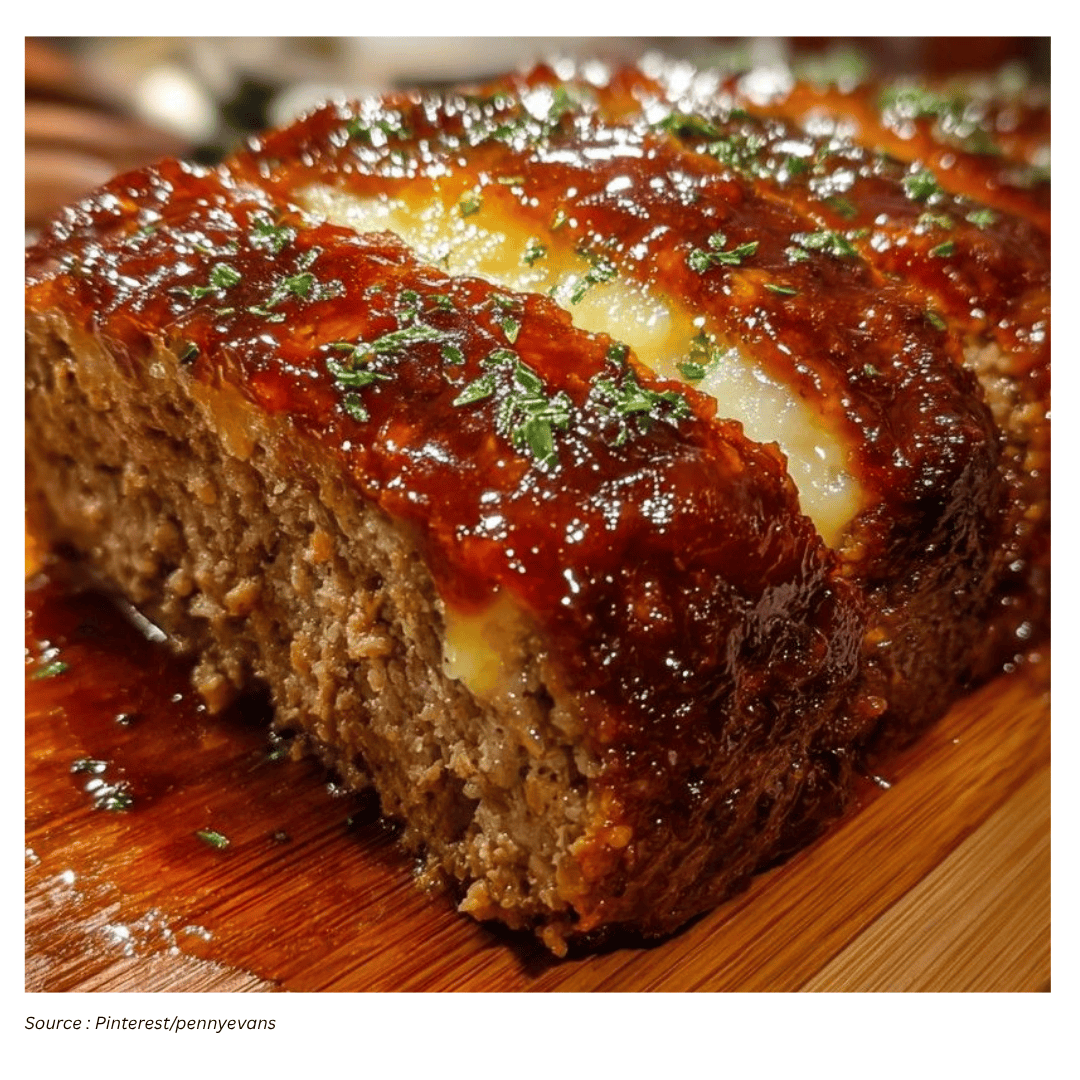
A classic meatloaf, reimagined for the smoker
Meatloaf has long been a dependable comfort food: straightforward, filling, and familiar. Smoking it, however, changes the experience in a way that feels both rustic and elevated. A smoked meatloaf can be tender and juicy, with a deeper flavor profile than an oven-baked version, and it can also deliver a satisfying exterior—especially if you finish it with a BBQ glaze for a lightly caramelized crust.
This approach is built around low-and-slow cooking. The meatloaf is smoked gently at 225°F until it reaches 165°F internally, which typically takes about 3 to 4 hours depending on the loaf’s thickness and the smoker you use. The result is a hearty main dish that fits as comfortably at a backyard barbecue as it does at a family dinner table.
What makes smoked meatloaf different
The appeal of smoking is that it can take a prototypical dish and add additional flavor, often making it taste like something entirely new without changing its core identity. Meatloaf is a prime candidate because it’s already designed to be moist and sliceable, and it welcomes bold flavors. When cooked in a smoker, it picks up a rich smoky character that can make the final dish feel more substantial and more “barbecue-forward” than the traditional version.
In this style of meatloaf, the texture is a major selling point: tender and juicy, with a cheesy element that adds richness. The smoky notes build gradually during the cook, and the optional basting with BBQ sauce adds another layer of flavor and a glossy finish. For anyone who thinks meatloaf is mundane, the smoked version is a strong argument for giving it another chance.
Key technique: keep the meat cold while you work
One of the simplest tips can also be one of the most important. While mixing and shaping the meatloaf, keep the meat cold until the loaf is formed. When the meat warms up too much, the fat can become soft and pliable, which makes it more likely to stick to your hands and can make shaping messier. Starting cold keeps the mixture easier to handle and helps you form a cohesive loaf.
This isn’t about adding complicated steps—it’s just a practical reminder to work efficiently and avoid leaving the mixture out longer than necessary. Once the loaf is shaped, the smoker takes over and does the slow work for you.
Step-by-step overview (with smoker settings)
The full ingredient list is typically provided in a recipe card, but the core process is straightforward and approachable. If you’re comfortable with basic meatloaf preparation, you’ll feel at home here—just with a smoker doing the cooking instead of an oven.
- Mix: Combine the ingredients in a large bowl until evenly distributed.
- Shape: Form the mixture into a loaf while the meat is still cold.
- Smoke: Place the meatloaf in a smoker set to 225°F and cook for about 4 hours, or until the internal temperature reaches 165°F.
- Baste (optional but recommended): Baste with BBQ sauce every hour to build flavor and encourage a glazed exterior.
Because smokers vary, the time range matters. Smoked meatloaf usually takes 3 to 4 hours at 225°F to reach 165°F. Thickness plays a major role: a thicker loaf will take longer, while a more compact or thinner loaf can finish sooner. The most reliable way to avoid overcooking (and drying it out) is to use a meat thermometer and cook to temperature rather than the clock.
Why 165°F matters—and how to avoid drying it out
For smoked meatloaf, 165°F internal temperature is the key benchmark. Hitting that number ensures the loaf is cooked through. The challenge is getting there without losing moisture, which is where low heat and patience help. Smoking at 225°F gives the meat time to cook evenly, and it also provides a longer window to build smoky flavor.
Still, timing alone isn’t enough. The exact cooking time can shift based on your smoker type and how the loaf is shaped. A thermometer removes the guesswork: you can pull the meatloaf when it’s ready, rather than letting it go “just in case” and risking a drier texture.
Choosing the right wood: hickory, oak, or applewood
Wood selection can steer the final flavor in noticeable ways. Three options stand out as particularly well-suited to meatloaf:
- Hickory: A strong, classic BBQ flavor that delivers a bold smoke presence.
- Oak: A balanced smokiness—steady and versatile without dominating.
- Applewood: Mild and slightly sweet, pairing naturally with beef and pork.
Each of these woods can work well depending on the profile you want. Hickory leans assertive and traditional, oak stays in the middle, and applewood keeps things gentler with a subtle sweetness. If you’re serving guests with different preferences, oak or applewood can be an easy crowd-pleasing choice, while hickory is ideal for those who want a more pronounced smoke character.
The role of BBQ sauce: basting and glazing
BBQ sauce isn’t required, but it can significantly enhance the finished meatloaf. Brushing it on during the cook—about once per hour—builds a layered, sweet-and-tangy coating that complements the savory meat and smoke. Over time, the sauce can also help create a more caramelized exterior, giving you a pleasant contrast between the crust and the tender interior.
If you’re aiming for a meatloaf that feels at home at a barbecue, the glaze is a natural fit. It reinforces the smoky theme and adds an extra dimension of flavor without complicating the cooking process.
Make-ahead and reheating: practical options
Smoked meatloaf is also friendly to planning ahead. You can prepare and shape the loaf up to 24 hours in advance, store it in the refrigerator, and smoke it the next day. This can be especially helpful if you’re hosting or trying to streamline a weekend meal—prep the loaf when you have time, then smoke it when you’re ready to cook.
Leftovers reheat well, too. For best results, wrap the meatloaf in foil and warm it in the oven at 300°F until heated through. The foil helps retain moisture, which is particularly useful for preserving that tender, juicy texture that makes smoked meatloaf stand out.
Serving ideas: sides that match the smoky, rich profile
Because smoked meatloaf is rich and savory, side dishes work best when they either echo that comfort-food vibe or add contrast through freshness and sweetness. The goal is a balanced plate: creamy elements to round out the smoke, vegetables for brightness, and hearty sides when you want a full barbecue-style spread.
Here are side dishes that pair well with smoked meatloaf:
- Mac and cheese variations: Three cheese mac and cheese, four cheese mac and cheese, or smoked mac and cheese all complement the savory meat with creamy richness.
- Mashed potatoes: Cream cheese mashed potatoes provide a smooth, buttery counterpoint to the smoky slices.
- Vegetable sides: Smoked asparagus adds a complementary smoky note, while roasted carrots and green beans bring a familiar, well-rounded vegetable option.
- Slightly sweet vegetables: Maple roasted carrots can add a gentle sweetness that plays nicely with BBQ sauce.
- Hearty barbecue staples: Smoked baked potatoes are a classic, filling partner.
- Comforting, Southern-inspired sweetness: Sweet corn pudding adds a soft, sweet contrast that can round out the meal.
These sides aren’t just add-ons—they help frame the meatloaf as either a barbecue centerpiece or a cozy family-dinner main. If you want to lean into the smoker theme, smoked mac and cheese, smoked asparagus, and smoked baked potatoes keep the menu cohesive. If you prefer a more traditional comfort-food plate, mashed potatoes and roasted vegetables keep it grounded.
Flexible by design: room for ingredient variations
Like many meatloaf recipes, this smoked version can accommodate ingredient changes. The method—mix, shape, smoke, and cook to temperature—stays consistent even if you adjust elements to suit your preferences. The key is maintaining the overall structure of the loaf and focusing on the fundamentals: cold meat while shaping, steady smoker temperature, and pulling the meatloaf when it reaches 165°F.
That flexibility is part of why meatloaf remains a staple. Smoking it doesn’t remove that adaptability; it simply adds a new dimension of flavor and a more barbecue-ready finish.
Bottom line
Smoked meatloaf takes a familiar comfort food and gives it a richer identity: tender, juicy slices with a cheesy bite and a smoky backbone that builds over hours in the smoker. Cook it at 225°F, rely on a thermometer to reach 165°F, and consider basting with BBQ sauce to add a sweet, tangy glaze and a caramelized crust. With the right wood—hickory for boldness, oak for balance, or applewood for mild sweetness—it can become a reliable centerpiece for backyard gatherings or weeknight dinners alike.