
Beef Carbonara: A Hearty Take on a Classic Egg-and-Cheese Pasta
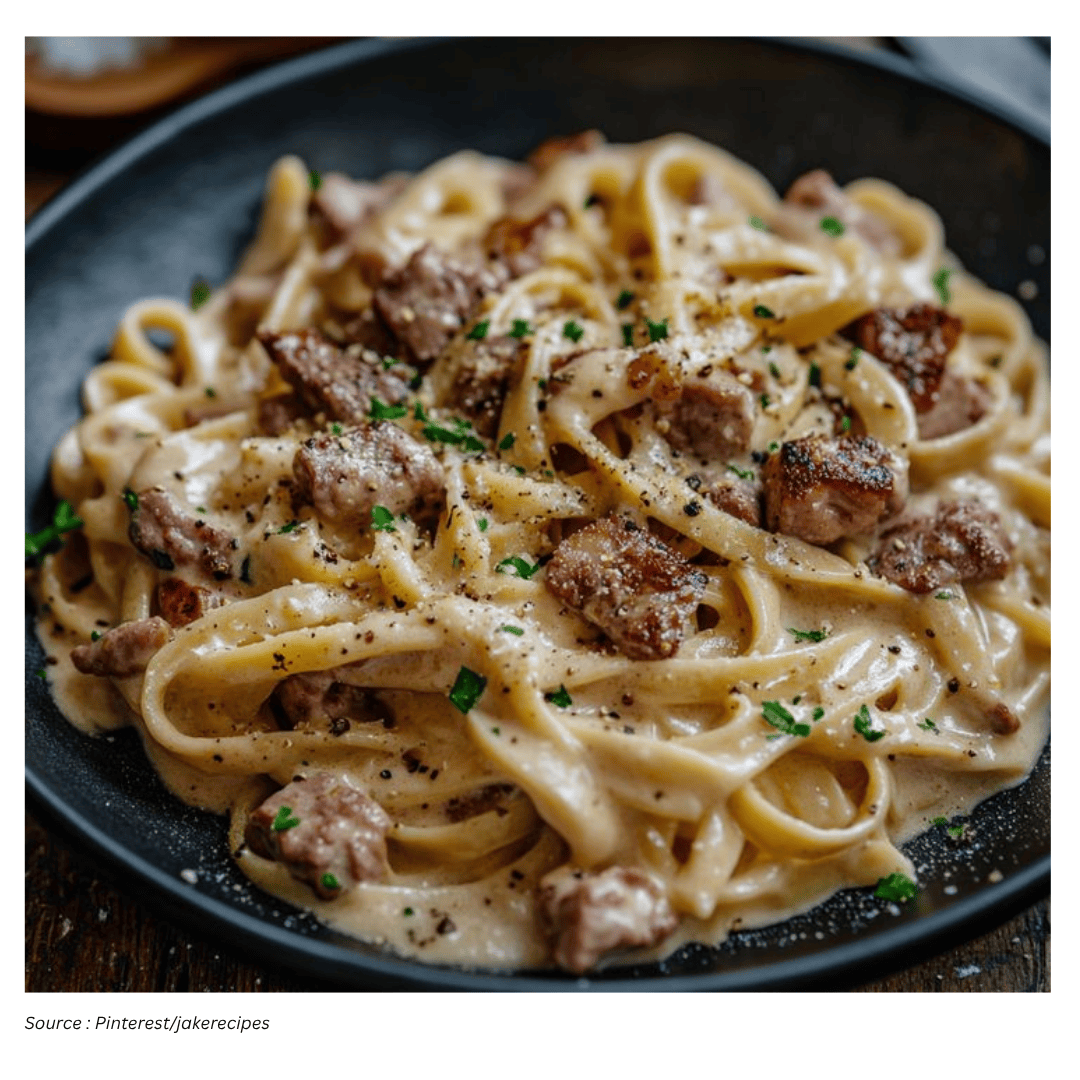
A comforting carbonara variation built for weeknights
Carbonara has a reputation for feeling luxurious while staying surprisingly simple. At its core, it’s a pasta dish where eggs and cheese transform into a glossy, creamy sauce when they meet hot pasta and a little starchy cooking water. This beef carbonara keeps that essential idea intact, but gives it a heartier profile by using ground beef instead of the traditional cured pork.
The result is a creamy, savory pasta that still delivers the familiar carbonara experience—silky sauce, cheese-forward richness, and a satisfying bite—while leaning into the comfort-food appeal of seasoned beef. It’s an approachable option for anyone who loves carbonara but wants to change things up without turning the recipe into something complicated.
What makes this dish “carbonara” (and what it doesn’t need)
One of the most common misconceptions about carbonara is that it requires cream to become creamy. It doesn’t. The signature texture comes from eggs and cheese, loosened and emulsified with reserved pasta water. That’s why timing and technique matter more than adding extra dairy.
This beef carbonara follows that same principle. The sauce is egg-based, enriched with cheese, and adjusted with pasta water until it reaches a smooth, silky consistency. The beef is cooked separately and folded in at the end, so the meat adds savory depth without interfering with the delicate sauce.
- No cream required: The creamy texture comes from eggs, cheese, and pasta water.
- Classic method, different protein: Ground beef replaces the traditional pork component while the sauce remains egg-and-cheese based.
- Serve right away: Carbonara is at its best when it’s freshly tossed and still glossy.
Ingredients and flexibility
The full ingredient list is typically presented in a recipe card, but the core components are straightforward: pasta, ground beef, onion, garlic, eggs, cheese, olive oil, and reserved pasta water. The method also leaves room for adjustments. As with many pasta dishes, you can change up ingredients if needed, as long as you respect the technique that keeps the sauce smooth.
Because the sauce is built on eggs and cheese, the most important “ingredient” is really the pasta water. Reserving it before draining is essential. It’s what helps the egg mixture turn creamy rather than thick or clumpy, and it gives you control over the final texture.
Step-by-step method (with the key timing cues)
This dish comes together in a few clear stages: cook the beef and aromatics, whisk the egg-and-cheese mixture, then toss everything quickly with hot pasta and pasta water to form the sauce. The instructions below follow the same sequence.
- Step 1: In a large skillet, heat olive oil over medium heat. Cook ground beef and onion until browned, about 7–10 minutes, breaking up the beef as it cooks.
- Step 2: Stir in garlic for the last 30 seconds.
- Tip: If there is any excess grease from the beef, drain it.
- Step 3: In a bowl, whisk eggs until smooth, then add cheese.
- Step 4: Mix in 1/4 cup reserved pasta water.
- Step 5: Toss hot pasta with the egg mixture, adding more pasta water if needed for a creamy consistency.
- Step 6: Fold in the beef mixture and serve immediately.
That final instruction—serve immediately—isn’t just a suggestion. Carbonara sauce is at its best when it’s freshly emulsified. As it sits, it can tighten and lose some of its shine. Serving right away preserves the creamy texture you worked to create.
The technique that prevents scrambled eggs
The defining challenge of carbonara is getting the eggs to turn into sauce rather than curds. The fix isn’t complicated, but it does require attention to heat and speed. The goal is gentle, residual heat—enough to thicken the eggs slightly, not enough to scramble them.
Two practical tips help enormously. First, start with room-temperature eggs and whisk them until smooth before adding cheese. Second, work quickly when mixing pasta with the egg and cheese mixture. Hot pasta provides the heat, and pasta water provides the buffer and the silkiness.
- Move fast: Toss the pasta with the egg mixture quickly to keep the sauce smooth.
- Use pasta water gradually: Add warm pasta water a little at a time to create a silky sauce.
- Control the heat: You can toss the eggs with the cooked spaghetti off the heat, relying on residual warmth.
- Alternative approach: Add hot pasta to a bowl of beaten eggs, then toss with pasta water to emulsify.
In practice, the pasta water does more than loosen the mixture. It helps the egg-and-cheese base coat the noodles evenly and gives you a way to fine-tune the final texture. If the sauce looks too thick, add a bit more reserved water and toss again until it turns glossy and creamy.
Choosing the right pasta shape
Carbonara is often associated with spaghetti, but the technique works well with other shapes that can carry sauce. Long, thick pasta tends to hold the silky coating effectively and delivers the classic carbonara eating experience.
- Spaghetti: A traditional choice and a natural match for an egg-based sauce.
- Rigatoni: A sturdy option that can hold sauce in its ridges and tubes.
- Fettuccine: Wide noodles that carry a rich coating well.
The main idea is to choose a pasta that can cling to the sauce and stay satisfying once the beef is folded in. Because the beef adds heft, a thicker noodle can feel especially balanced.
Planning ahead: what you can prep, and what you shouldn’t
Carbonara is best served immediately, but that doesn’t mean you can’t make it more weeknight-friendly. The most useful strategy is to prepare components separately and combine them at the last moment, preserving the sauce’s texture.
- What works: Prep the beef mixture and cook the pasta separately.
- Best moment to combine: Toss everything together just before serving for optimal texture.
This approach keeps the sauce from sitting too long and helps ensure the eggs thicken into a silky coating rather than tightening as they cool.
Serving and texture: what “creamy” should look like
In a well-made beef carbonara, the sauce should look glossy and cling to the pasta. It shouldn’t pool heavily at the bottom of the bowl, and it shouldn’t look dry. If you’ve reserved enough pasta water, you can adjust on the fly: a splash at a time, toss, and watch the sauce turn smooth.
Once the pasta is coated, the beef mixture is folded in. This order matters. By waiting until the end, you keep the egg mixture focused on coating the noodles first, then distribute the beef without overworking the sauce.
Reheating leftovers without breaking the sauce
Because the sauce is egg-based, reheating requires a gentle touch. High heat can push the eggs past their ideal point and cause curdling. The goal is slow warming with a little added liquid to restore creaminess.
- Stovetop method: Reheat gently over low heat, stirring frequently.
- Microwave method: Heat slowly, stopping to stir often.
- Restore the texture: Add a splash of pasta water or milk to keep the sauce creamy.
- Avoid scrambling: Low heat and frequent stirring help prevent the eggs from curdling.
If you’re able to, reserving a small amount of pasta water before serving can be helpful later. Even a small splash can loosen the sauce as it warms, bringing it closer to its original silky texture.
Why ground beef works so well here
Swapping ground beef into carbonara changes the profile without changing the core satisfaction of the dish. The beef brings a savory, hearty character that fits naturally with the richness of eggs and cheese. Cooking it with onion and finishing with garlic builds a simple flavor base that complements the sauce rather than competing with it.
It’s also a practical choice: ground beef cooks quickly, browns well, and can be broken into small pieces that distribute evenly through the pasta. That means every bite can deliver both the creamy coating and the savory meat.
A quick checklist for success
- Brown the ground beef and onion thoroughly, then add garlic only at the end so it doesn’t overcook.
- Drain excess grease if needed to keep the final dish balanced.
- Whisk eggs until smooth before adding cheese for an even sauce base.
- Reserve pasta water and add it gradually to control consistency.
- Toss quickly and consider mixing off the heat to avoid scrambling.
- Fold in the beef at the end and serve immediately for the best texture.
The takeaway
Beef carbonara offers a comforting twist on a beloved pasta classic: the same egg-and-cheese silkiness, the same reliance on pasta water for a glossy sauce, and the same need for quick tossing—now paired with seasoned ground beef for a hearty, satisfying finish. When you focus on the technique and serve it right away, you get the rich carbonara experience without needing cream, complicated steps, or long prep.