
One-Pot Vegetable Red Curry: A Fast, Creamy Weeknight Dinner With Flexible Swaps
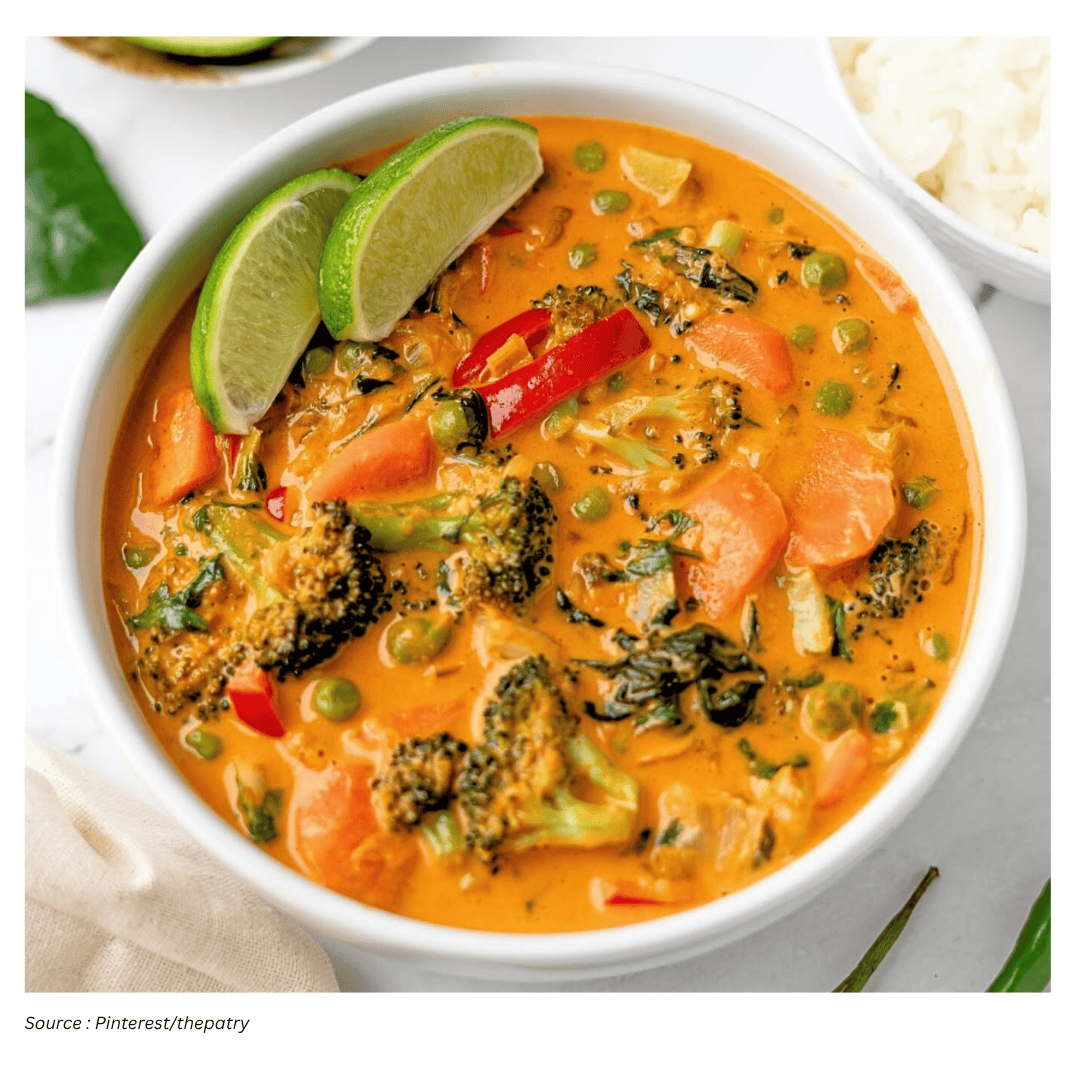
A weeknight curry that keeps cleanup simple
One-pot meals earn their place in a busy kitchen for a straightforward reason: they reduce the number of dishes without asking you to compromise on flavor. This one-pot vegetable red curry is built with that goal in mind. Everything happens in a single large, deep frying pan, yet the result is layered and satisfying—creamy coconut milk, a slight kick from red curry paste, and a mix of vegetables that turn tender while still offering texture.
The dish is designed to feel cozy and nourishing, with a balance of savory and sweet elements and a bright finish from lime juice. It also comes together quickly, making it a practical option for anyone who wants a homemade dinner without a long ingredient list of specialty items or a complicated cooking sequence.
What this curry tastes like
This curry leans into contrast in a way that feels intentional rather than busy. The red curry paste provides heat and aromatic depth, but it’s described as a “slight kick” rather than an overwhelming burn. Coconut milk brings creaminess and rounds out the spice. Soy sauce contributes savory, umami richness, while coconut sugar adds a touch of sweetness that helps balance the paste and the vegetables. A squeeze of lime juice at the end adds brightness that keeps the dish from tasting heavy.
Texture is part of the appeal. Bell peppers soften but remain pleasantly tender. Carrots cook until they’re tender, mushrooms add a deeper savory note, and kale wilts into the sauce, giving the curry a hearty, comforting feel.
Ingredients to gather
The shopping list is produce-forward, with a few pantry staples that do most of the heavy lifting for flavor. The core vegetables and aromatics include onion, garlic, and ginger, plus red and yellow bell peppers, carrots, mushrooms, and lacinato kale. For finishing, you’ll want lime and cilantro.
From the pantry section, the recipe relies on red curry paste, coconut milk, soy sauce, and coconut sugar. You’ll also need oil for sautéing (any type works). If you’d like to serve the curry as a full meal, steamed rice is suggested as an optional pairing.
- Onion
- Garlic
- Ginger
- Red bell pepper
- Yellow bell pepper
- Carrots
- Mushrooms
- Lacinato kale
- Lime
- Cilantro
- Red curry paste
- Coconut milk
- Soy sauce
- Coconut sugar
- Oil (any type)
- Optional: rice for serving
One ingredient detail matters more than it might seem: when choosing red curry paste, it’s worth checking the label. A paste that includes galangal and lemongrass is recommended for a more classic Thai flavor profile.
Step-by-step: how to make it in one pan
The method is intentionally streamlined. You start by building a flavor base with onion, then add garlic and ginger for aroma, then cook the vegetables until the carrots are tender. The curry paste is briefly cooked in the pan to deepen its flavor before the coconut milk and seasonings go in. Kale is added near the end so it wilts without turning dull or overcooked.
- Add oil to a large, deep frying pan and set heat to medium.
- Add onion and sauté for 5 minutes, stirring frequently.
- Add garlic and ginger; cook for 1 minute.
- Add bell peppers, carrots, and mushrooms; cook for about 8 minutes, or until carrots are tender.
- Stir in the curry paste; cook and stir for 2 minutes.
- Add kale, coconut milk, soy sauce, and coconut sugar; cook on medium-low heat for 10 minutes.
- Garnish with cilantro and serve, optionally with steamed rice.
In practice, this sequence helps the dish taste cohesive. The curry paste gets a moment in the heat so it can bloom, and the coconut milk is added after the vegetables have begun to soften, so the sauce becomes a creamy base rather than a thin broth.
Why it works for Meatless Monday (and beyond)
This curry is positioned as a strong Meatless Monday option because it’s hearty without relying on meat. The mix of vegetables and the richness of coconut milk make it feel substantial, and the flavor profile is bold enough that it doesn’t read as a “light” meal. It’s also described as approachable for both experienced cooks and kitchen novices, largely because the steps are simple and forgiving.
Another practical advantage is how well it holds up as leftovers. It’s noted as a dish that lasts well in the fridge throughout the week, which makes it useful for meal prep or quick lunches and dinners when you don’t want to cook from scratch every night.
Easy vegetable substitutions (use what you have)
Curries are naturally adaptable, and this one is no exception. If you want to change the flavor, texture, or what’s in season, there are multiple swaps that can keep the recipe’s structure intact.
- Instead of carrots: Use sweet potato or butternut squash. Cut into 1/2-inch cubes and be prepared to extend cooking time slightly, since these can take longer to soften.
- Instead of (or in addition to) bell peppers: Add chopped zucchini or snap peas.
- Instead of mushrooms: Use chopped broccoli or cauliflower florets.
- Instead of kale: Swap in another hearty green such as Swiss chard, collard greens, or spinach.
These substitutions keep the same basic approach: sauté aromatics, cook vegetables until tender, bloom curry paste, then simmer with coconut milk and seasonings until everything comes together.
Choosing the curry flavor: red, yellow, green, or powder
Thai curry pastes come in several colors, each with a distinct profile. Red curry paste is described as a middle ground: spicy, but not excessively so. If you want a milder, sweeter curry, yellow curry paste is suggested. It gets its color from turmeric and curry powder, which also shape its flavor.
If you prefer something sharper and hotter, green curry paste is an option, but it’s noted as spicier and more vibrant. In that case, it’s smart to start with a smaller amount and adjust to taste.
There’s also a workaround if you don’t have curry paste on hand. You can use 1 tablespoon of curry powder and add a little more garlic to compensate for the flavor you lose by skipping the paste format.
How to adjust creaminess and sweetness
The recipe’s signature texture comes from coconut milk, but there are alternatives if you want to change the base while keeping the curry creamy. Other plant-based milks can work, including unsweetened soy milk or flax milk. Another option is to make a simple cashew cream by blending 1/2 cup soaked raw cashews with 1/2 cup water.
Sweetness is also flexible. Coconut sugar can be replaced with maple syrup, agave, or date syrup, or you can use brown sugar for a similar effect. The goal is not to make the curry taste sweet, but to add enough sweetness to balance the spice and deepen the overall flavor.
Ways to make it heartier with plant-based proteins
If you want to increase the curry’s staying power while keeping it plant-based, several add-ins fit naturally into the pot without complicating the method.
- Chickpeas: Rinse and drain, then add along with the coconut milk in the final simmering step.
- Shelled edamame: Add frozen edamame directly in the final simmering step; it will thaw in the pot.
- Tofu: Use super-firm tofu, cube it, and add it after the vegetables are tender and before adding the curry paste.
- Lentils: Another option to increase protein in the curry.
These additions work because the curry already has a rich sauce and a simmering stage, which makes it easy to warm through proteins without needing a separate pan.
Serving ideas: rice, quinoa, and optional animal proteins
Steamed rice is presented as an optional but natural pairing, helping turn the curry into a complete meal and stretching it for multiple servings. If you want another grain option, serving the curry over quinoa is mentioned as a way to add more protein at the table without changing the cooking steps.
For cooks who want to include animal protein, the method can accommodate that as well. Thinly sliced chicken breast can be added after sautéing the onion and seared until cooked, which is described as taking about 10 minutes. For red meat, very thinly sliced flank steak can be added after cooking the garlic and ginger.
Whether you keep it fully plant-based or add a protein, the base recipe remains the same: a one-pan curry designed to be fast, flexible, and satisfying.
A practical curry to keep in regular rotation
This one-pot vegetable red curry is built for repetition. It’s quick enough for weeknights, adaptable to what’s in your fridge, and structured so that even small changes—swapping vegetables, choosing a different curry paste, or adding chickpeas—still produce a cohesive dish. The core appeal is the combination of ease and depth: a creamy sauce, tender vegetables, and a bright lime finish, all with minimal cleanup and a timeline that fits comfortably under 30 minutes.