
A Fool-Proof No-Knead Pizza Dough That Gets Better in the Fridge
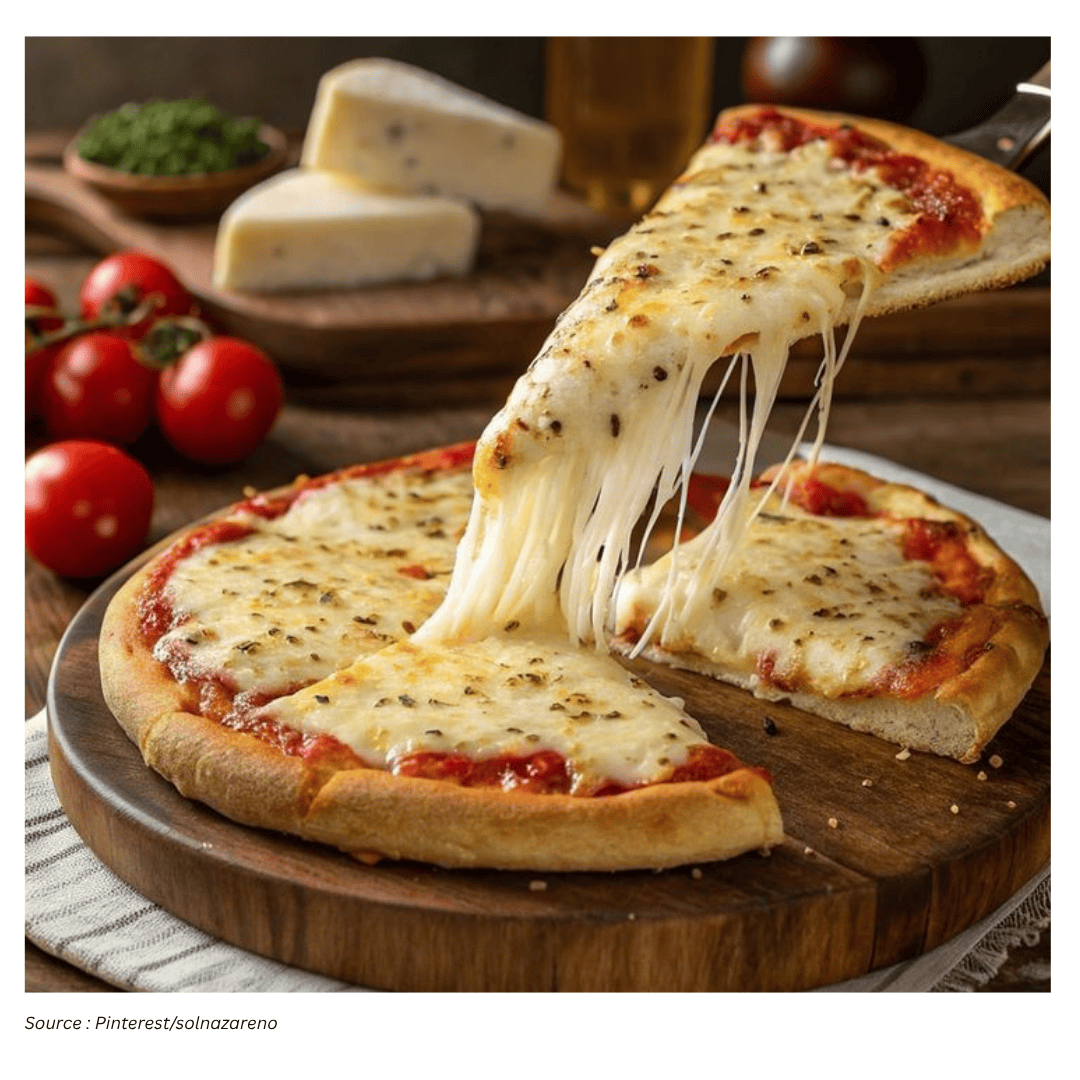
Homemade pizza that actually competes with takeout
Homemade pizza can be hit-or-miss. Sometimes the crust turns out pale, dense, or tough; other times it lacks the flavor you expect from a great pie. The good news is that a reliable, crowd-pleasing dough doesn’t have to involve hours of kneading or complicated techniques. This no-knead approach relies on a simple mix, a few gentle stretches, and—most importantly—time in the refrigerator.
The method is intentionally low-effort: you’ll stir the dough together, do a short stretch-and-fold routine, portion it, and let it rest cold for at least 24 hours and up to four days. That long, cold proof is where the magic happens. The dough matures gradually, developing better flavor and a more workable texture that stretches easily into a thin center with a defined crust edge.
It’s also flexible in a way many dough recipes aren’t. Because the dough can sit in the fridge for most of the week, it’s easy to plan pizza night around your schedule rather than around a same-day rise. When you’re ready, you simply heat the oven as high as it will go, shape the dough carefully to preserve its airy bubbles, top it however you like, and bake until deeply browned and bubbling.
Why this dough works with almost no kneading
Traditional kneading develops gluten—the network that gives dough strength, elasticity, and chew. In a no-knead dough, you build that structure differently: with hydration, time, and minimal handling. Here, the dough is mixed until no dry flour remains, then strengthened with a few rounds of stretching and folding. After that, a long rest in the refrigerator lets the gluten organize and the dough ferment slowly.
That slow fermentation matters. An overnight rise (and beyond) gives yeast time to produce compounds that contribute to flavor and extensibility—meaning the dough becomes easier to stretch without springing back. The result is a crust that can bake up with a crisp edge and a tender, airy interior, especially when it hits a properly preheated, very hot oven.
Ingredient choices that make a difference
This dough uses a short list of familiar ingredients, and each one has a job to do. You may already have everything you need on hand.
Warm water: Hydrates the dough and helps activate the yeast.
Active dry yeast: A dependable choice for a long resting period. If needed, instant yeast can be used as a substitute.
Honey: Feeds the yeast and adds mild sweetness. It also helps balance flavor and encourages deeper browning in the oven.
Bread flour: Its higher protein content builds strength for a crust with structure, chew, and a crisp edge. All-purpose flour can be used, but the crust may turn out softer and less structured.
Kosher salt: Rounds out flavor and keeps the dough from tasting flat.
Olive oil: Adds tenderness, subtle flavor, and helps improve texture and crispness.
Once the dough is ready, you can keep toppings as classic or as creative as you want—sauces, cheeses, seasonal vegetables, pepperoni, or anything else you’re craving. If you’re feeding a group, doubling the recipe can make it easier for everyone to top their own portion.
Step-by-step: mix, fold, chill
The process is straightforward and forgiving. The key is to follow the sequence and give the dough the cold time it needs.
1) Activate the yeast. In a liquid measuring cup or small bowl, stir together warm water, honey, and yeast. Cover and let it sit for 5 to 10 minutes, until foamy.
2) Combine dry ingredients. In a medium bowl, stir together the flour and kosher salt.
3) Mix the dough. Add the yeast mixture and olive oil to the flour mixture. Stir lightly until no dry ingredients remain visible. At this stage, you’re not kneading—you’re simply ensuring everything is incorporated.
4) Strengthen with stretch-and-folds. Use your fingertips to stretch one corner of the dough upward, then fold it onto itself. Repeat three more times, working your way around the dough so each “side” gets folded.
5) Repeat the fold-and-rest cycle. Fold each corner of the dough onto itself again, then let the dough rest for 15 minutes. This brief rest makes the dough more cooperative and helps build strength without intensive kneading.
6) Portion and refrigerate. Lightly oil two rimmed plates or bowls with olive oil. Divide the dough into two pieces and form each half into a ball. Place one ball on each plate and cover with plastic wrap. Refrigerate for at least 24 hours or up to four days.
That cold rest is the defining feature of the method. It’s what turns a simple mixture into a dough with better flavor, better stretch, and a more satisfying baked crust.
Shaping and baking: protect the bubbles, crank the heat
When it’s time to bake, the approach is simple: handle the dough gently and bake it hot. No-knead doughs can develop beautiful internal bubbles during their long rest; rough handling can deflate them and lead to a denser crust.
1) Preheat aggressively. Preheat the oven to its highest temperature—typically 500°F to 550°F—before you start shaping. High heat is essential for strong oven spring and good browning. If you have a pizza stone, use it: leave it in the oven as it preheats to help crisp the bottom crust.
2) Prepare the surface. Lightly dust your work surface with flour. Place one round of chilled dough on the floured surface.
3) Define the crust edge. Press a border lightly all around the edge, about 1 inch in from the perimeter, to mark where the crust will be. This helps keep the outer rim thicker while the center stretches thinner.
4) Stretch the center. Use your hands to stretch the center of the dough while keeping the crust edge intact. Continue until you have a 12- to 14-inch round.
5) Transfer to the pan. Lightly dust a baking sheet with flour (or cornmeal). Immediately transfer the stretched dough to the baking sheet.
6) Top and bake. Add sauce, cheese, and your favorite toppings. Drizzle with olive oil. Bake for 6 to 8 minutes, until the pizza is deeply browned and bubbling.
7) Repeat and serve. Repeat with the remaining dough and serve immediately.
Practical tips for consistent results
This dough is designed to be approachable, but a few fundamentals can make the difference between “pretty good” and “why didn’t I start doing this sooner?” The best results come from paying attention to ingredients, timing, handling, and heat.
Start with the right building blocks. Use yeast that’s active and fresh, and choose a high-protein flour such as bread flour. A hint of honey (or sugar) supports yeast activity and encourages browning, while kosher salt helps the dough taste balanced.
Measure accurately. Whether you use a kitchen scale or measuring cups, accuracy matters. If using cups, spoon flour into the cup and level it rather than scooping directly, which can pack in too much flour and throw off the dough’s hydration.
Let time do the work. No-knead dough improves as it rests. The long, cold proof gives the dough time to mature, hydrate, and organize its gluten structure—key factors for a crust with the right texture.
Handle gently during shaping. After the dough has rested, treat it carefully so you don’t pop the air bubbles that contribute to a light, blistered crust.
Use maximum heat. Preheat the oven thoroughly at its highest setting. A very hot oven is one of the most important “ingredients” for a great homemade pizza.
What the long, cold rest actually changes
It can be tempting to view the refrigerator step as a scheduling convenience, but it’s also a core part of the dough’s performance. A minimum overnight rise allows the dough to ferment slowly. During that time, yeast produces acids and alcohols that contribute flavor and improve extensibility. In practical terms, that means the dough becomes tastier and easier to stretch into a thin round without tearing or snapping back.
The longer rest is also why this method can feel so “fool-proof.” Instead of relying on intensive kneading skill, you’re relying on a predictable process: mix, fold, chill, and bake hot.
If you’re short on time: a faster option (with trade-offs)
While the overnight proof is strongly recommended, you can speed things up if needed. After you stretch and fold the dough as directed, you can set it aside, covered, at room temperature for an hour or two before using.
That shortcut will still produce pizza, but the results won’t be identical. Expect a milder flavor and a slightly tighter crumb. When shaping, take your time and avoid adding extra flour. Too much flour can make the dough tighten and shrink back more, which is the opposite of what you want when you’re trying to stretch it into a thin center.
In other words: the faster route works, but the long rest is one of the simplest ways to improve homemade pizza dough without adding more effort.
Making pizza night easier—and more customizable
One of the most appealing aspects of this dough is how it supports real-life cooking. Because it can rest in the fridge for up to four days, you can mix it when you have a little time and bake when you need dinner. It also adapts well to different topping styles, from classic combinations to whatever you have on hand.
Once you’ve made it a few times, the routine becomes second nature: mix and fold, refrigerate, then stretch gently and bake hot. With a reliable dough as your foundation, the rest of the pizza—sauce, cheese, toppings—becomes the fun part, and takeout becomes optional rather than necessary.