
Fast-Food Breakfast Sandwiches, Ranked: What Works, What Doesn’t, and Why
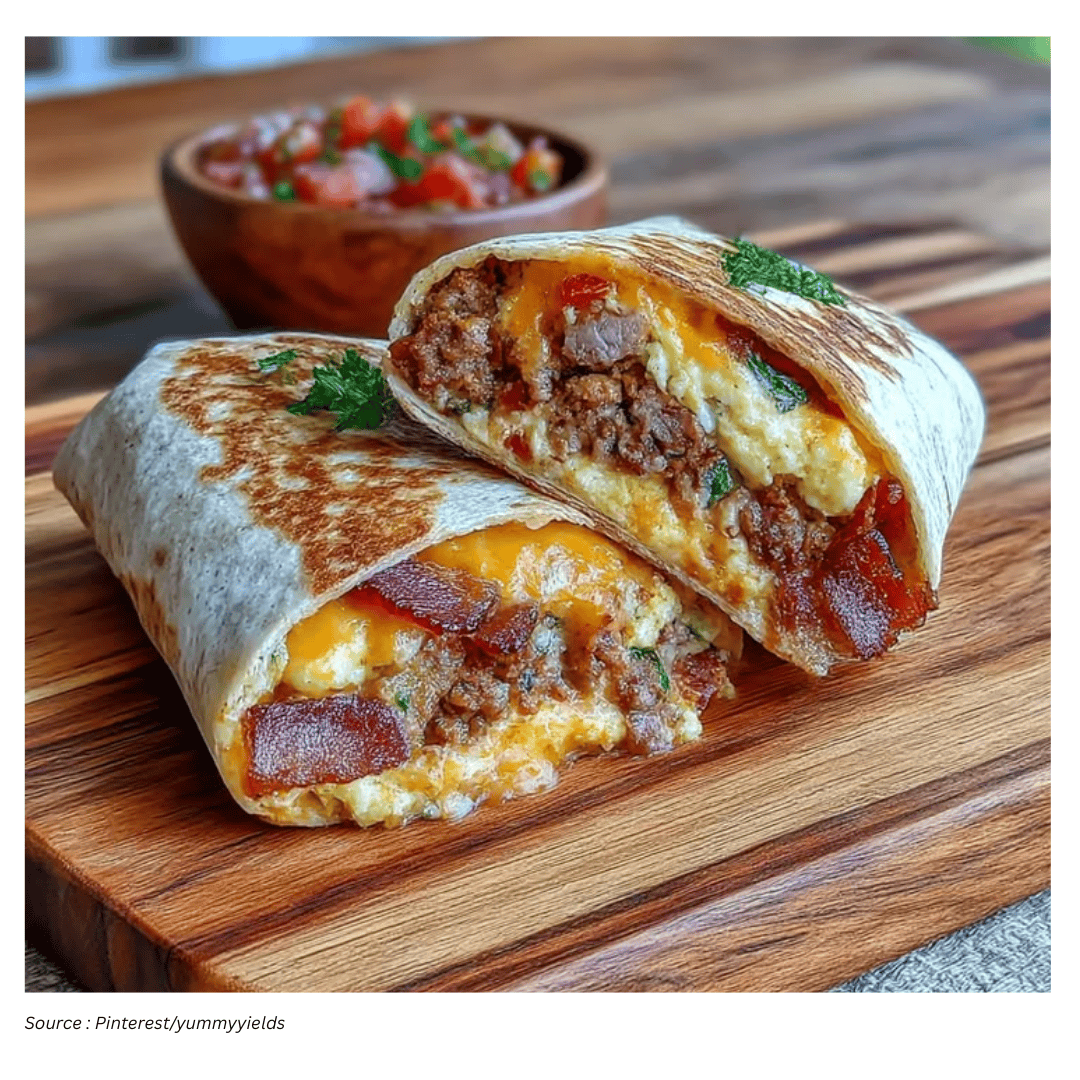
Fast-food restaurants tend to have clear identities at lunch and dinner: one chain does burgers best, another wins on chicken, and another leans on tacos. Breakfast, however, is a more crowded playing field. Most menus draw from the same compact toolkit—eggs, cheese, hash browns, and some form of pork—assembled into a biscuit, muffin, croissant, bagel, tortilla, or bun. With so many shared ingredients, the difference between a satisfying breakfast sandwich and a disappointing one often comes down to execution: the toast on the bread, the seasoning in the meat, the melt of the cheese, and whether the whole thing feels cohesive rather than chaotic.
This ranking focuses on two ideas. First, how well each sandwich’s individual components perform in both flavor and texture. Second, how effectively the sandwich is assembled—whether it feels like a deliberate breakfast concept rather than a pile of familiar parts. Preference is given to items that are either emblematic of a restaurant’s breakfast approach or intentionally “fully loaded,” since those versions usually reveal the most about a kitchen’s strengths and weaknesses. Some entries are classic, some are engineered, and some try to innovate but stumble. Together, they offer a useful snapshot of what fast food does well in the morning—and where it can go wrong.
12) Del Taco Bacon Breakfast Burrito
Breakfast burritos can be reliably satisfying, which makes a miss in this category stand out. The bacon breakfast burrito here feels like an example of too many strong ideas competing at once. The default red sauce is the central issue: while its hot-sauce-adjacent profile should theoretically pair with eggs and cheese, it comes across as overly aggressive and ends up overwhelming the rest of the burrito.
The bacon adds to the problem rather than balancing it. It is seasoned with a pronounced smoke flavor, and when that meets the red sauce head-on, the palate is forced to choose between two dominant notes. Instead of creating depth, the combination creates discord. Texture also suffers, as the burrito tends to become overly greasy, which muddles the interior and makes each bite feel less defined. With ingredients that are usually hard to mess up, this one lands as oddly out of tune.
11) Subway Steak, Egg, and Cheese on Flatbread (with add-ons)
On paper, the concept is appealing: flatbread folded around steak, eggs, and cheese, with optional vegetables and a creamy sauce to mimic an omelet-meets-sandwich experience. In practice, the sandwich is held back by the component that should carry the most weight. The steak is the weak link—often overcooked to the point of rubbery texture—so the foundation never quite becomes satisfying.
The eggs are the pre-cooked slab style, which contributes little flavor. The American cheese, to its credit, melts well and delivers the familiar profile that works in a breakfast context. But the overall balance can be thrown off easily by sauce choice; the creamy Sriracha, while tempting for spice lovers, can become overwhelming and further distract from the sandwich’s already struggling core. The result is a breakfast item that sounds better than it eats.
10) Dunkin’ Wake-Up Wrap
As a lighter option, the Wake-Up Wrap makes sense: a small tortilla folded around egg, bacon, and American cheese, with hot honey adding intermittent sweetness and heat. The issue is not that anything is dramatically wrong; it is that the wrap feels undersized and under-expressive compared with other breakfast options in the category.
The tortilla is a key drawback. Instead of being soft and pliable, it can feel tough—described as about as yielding as leather—which makes the wrap less pleasant to bite through. The fillings are serviceable but rarely memorable, and the hot honey arrives in occasional flashes rather than as a consistent thread that ties the wrap together. Those brief hot-honey moments are the highlight, but they are not enough to lift the overall experience beyond “fine.”
9) Sonic Sausage Breakfast Toaster
The breakfast toaster concept is easy to understand: Texas-toast-style bread holding egg, cheese, and sausage, aiming for something like a breakfast-friendly grilled cheese. The expectation is a crisp exterior that yields to a chewy center, creating contrast before you even reach the fillings. Here, the bread looks toasted properly, but the texture does not match the appearance.
Instead of crispness, the bite can be spongy and oddly flavorless, and without a noticeable buttery note to justify the softness. Inside, the egg and cheese work well together until the sausage arrives with an artificial smokiness and excessive salt. Salt is part of the fast-food equation, but this patty pushes it too far, flattening everything else. Even with a smart idea, the execution feels inconsistent.
8) Starbucks Double-Smoked Bacon, Cheddar, and Egg Sandwich
As a coffee shop that also serves breakfast sandwiches, Starbucks enters this comparison with a different set of expectations. This sandwich is pre-packaged and shipped before being heated, and it shows in the overall ceiling of the experience. Still, as a supporting item alongside a beverage, it performs better than its placement near the bottom might suggest.
The bread is a flattened croissant shaped to match the round egg, creating a tidy, contained structure. The bacon is thin but not brittle and tastes sufficiently like bacon. The cheddar is the standout element, providing a stronger, more characterful cheese note than many competitors manage. It is not a top-tier sandwich in this field, but it is more satisfying than one might assume given its prepackaged nature.
7) Wendy’s Sausage, Egg, and Cheese Croissant
Wendy’s has a noticeable strength in its “delivery systems”—the buns, muffins, biscuits, and croissants that hold breakfast fillings. The croissant here is hefty and buttery, with the kind of soft volume that should create a comfortable, indulgent bite. Structurally, it feels substantial, even imposing.
Yet the sandwich falls flat in flavor. Despite its brick-like height and girth, it is described as oddly devoid of breakfast character, with soft, yielding textures but little spark. It becomes a useful illustration of a broader issue: the chain does some things right, particularly bread softness and volume, but the final sandwiches can read like second-rate versions of better-established breakfast standards.
6) Taco Bell Breakfast Crunchwrap
Taco Bell’s breakfast Crunchwrap is a genuine hybrid: part breakfast sandwich, part burrito, built with a pinwheel fold and a pressed exterior that keeps the contents in place. As an engineering solution, it is impressive. The crispy tortilla provides structure, and the hash brown patty adds a hearty crunch that immediately signals “breakfast.”
Flavor-wise, the sausage brings a mild red pepper kick without tipping into excessive salt. The egg, however, is relatively mild and does not contribute much on its own. The bigger drawback is the sauce choice: a spicy, chili-powder-infused mayo that works well on other menu items but becomes overbearing here, overpowering the Crunchwrap’s milder elements. The concept is strong, and the form factor is excellent, but the balance is not quite dialed in.
5) Burger King Sausage, Egg, and Cheese Biscuit
This is a solid, straightforward entry that shows Burger King’s competence with breakfast proteins. The sausage patty is well-seasoned, and there is plenty of melted cheese. The egg is fluffy with a pleasant flavor, though it can be overshadowed by the heavier sausage-and-cheese combination.
The biscuit is the area where the sandwich loses points. Biscuit sandwiches often lean into buttery richness, but that note is muted here. The exterior has a nice crispness and offers some buttery flavor, yet the interior can be underdone and overly floury. When the biscuit is on its game, it can elevate a sandwich; when it is not, it becomes a distraction. This one lands in the middle because the fundamentals are there, but the bread does not fully deliver.
4) Wendy’s Sausage, Egg, and Cheese English Muffin Sandwich
Wendy’s performs well when sticking to the basics. The sausage tastes good without heavy artificial smokiness, the cheese melts properly, and the egg is fluffy enough to hold its own in the stack. As a classic format, it is competent and pleasant.
The limitation is the English muffin. Compared with muffins that balance chew with toasted crunch, this one leans dense, creating a slightly stodgy texture. It is not unpleasant, but it lacks the crisp interior toast that can make an English-muffin sandwich feel lively and structured. The result is a good bite that still leaves the impression that other chains execute the same idea more effectively.
3) Burger King Fully Loaded Croissan’wich
The Croissan’wich has longevity for a reason. Introduced in 1983, it brought a French pastry approach into the fast-food breakfast ecosystem and has remained a staple for decades. For those who prefer a buttery, tender sandwich over the crispness of an English muffin, this format is a natural fit.
The fully loaded version leans hard into abundance: ham, bacon, sausage, eggs, and cheese. It is not subtle, but it delivers a rich wallop of familiar breakfast flavors. A drizzle of maple syrup is suggested as an easy way to complete the sweet-savory comfort-food effect. The main critique is that the “more is more” approach can feel like a jack-of-all-trades idea; with one more unexpected element, it could climb even higher. Still, it remains a delightful fast-food breakfast experience.
2) Dunkin’ Sausage, Egg, and Cheese Croissant
Dunkin’ entered the breakfast sandwich space later than some competitors, debuting its sandwiches in 1997, but its croissant version holds its own impressively. The overall structure is familiar—meat, egg, cheese, and croissant in balanced proportion—yet the execution stands out where it matters most: the pastry itself.
The croissant is described as far superior to Burger King’s, with a laminated texture and excellent pastry flavor. That strength makes sense given Dunkin’s broader pastry competence. With the croissant doing so much work, the sandwich becomes more than a standard fast-food stack; it becomes a cohesive, texturally satisfying breakfast. The comparison invites an interesting thought experiment: if Burger King’s fillings were paired with Dunkin’s croissant, the result might be unbeatable.
1) McDonald’s Sausage McMuffin with Egg (and the Egg McMuffin legacy)
Fast-food breakfast has evolved, but the McMuffin format remains a benchmark. The Egg McMuffin is a classic example of how small advantages—especially in bread and egg preparation—add up to a signature profile. The English muffin provides a key contrast: soft and slightly chewy on the surface, with a toasted interior that brings crunch and a deeper, toasty finish. That textural foundation supports the rest of the sandwich in a way many competitors struggle to match.
While the Egg McMuffin’s combination of fresh egg, grilled ham, and melty American cheese has a distinct identity, the ranking’s top spot goes to the Sausage McMuffin with egg. Swapping ham for sausage creates a heartier, juicier core, and the sandwich’s circular stack feels aesthetically balanced and deliberate. The egg preparation stands out in this field: cracking a fresh egg into a circular mold keeps the sandwich closer to the freshness of a homemade breakfast than most reheated alternatives. Combined with well-seasoned sausage and American cheese, it is a consistent classic. There is even a practical enhancement suggested for those who want more heft: adding a hash brown patty between the sausage and egg.
Notable standouts that nearly took the top spot
Panera Asiago sausage and egg sandwich: A breakfast sandwich on a bagel can be either a masterpiece or a mess, depending on whether the fillings stay contained. Here, the Asiago bagel provides structural integrity and a subtle salty-cheesy note, while maintaining a lighter texture that still balances chewy and crunchy. The sausage, fluffy egg, cheese, and a swipe of garlic aioli work together cleanly, creating a cohesive sandwich with strong textural balance.
Jack in the Box Ultimate Breakfast Sandwich: Designed for maximum protein under a split-top bun, this sandwich echoes the “fully loaded” approach but makes a key choice: it omits sausage. That omission lets bacon and ham shine, supported by two eggs and two slices of cheese. The bacon is notably better than expected—thick without being excessive and not overly crunchy—adding contrast against the soft bun and melty interior.
Chick-fil-A chicken, egg, and cheese biscuit: Fried chicken is not common on the fast-food breakfast circuit, and that uniqueness helps this sandwich stand out. The chicken brings a high-quality, savory anchor, and while one might expect a biscuit-and-chicken combination to be dry, the final bite is described as juicy and buttery, with egg and cheese making the whole sandwich feel more complete.
Carl’s Jr. breakfast burger: The most unexpected entry is also the one that challenges a common breakfast assumption: that ketchup does not belong on a breakfast sandwich. In this format, the char-grilled burger patty and a stack of hash rounds act as a buffer, making ketchup feel not only acceptable but welcome alongside bacon, egg, and cheese. It is a close competitor to the chicken biscuit in terms of impact, and it makes a strong case for burgers as a morning meal.
What the ranking reveals about a great fast-food breakfast sandwich
Because breakfast sandwiches share so many ingredients, the category is less about novelty for novelty’s sake and more about how a restaurant handles the details. The strongest sandwiches tend to do at least one of two things well. They either execute the basics with consistency—bread properly toasted, eggs with real presence, cheese melted correctly, meat seasoned without harsh artificial notes—or they introduce a twist that still feels integrated with the brand’s strengths.
In the middle and lower tiers, the most common problems are imbalance and texture. Sauces can overwhelm, meats can become too smoky or too salty, tortillas can turn tough, and bread can be spongy or dense when it should be crisp or airy. At the top, the winners are the sandwiches that feel engineered for repeatability without losing what makes a breakfast sandwich “sing.” In fast food, where an item must be recreated hundreds of times a day, that kind of consistency is its own form of craft.