
How to Choose Healthy Dog Food: 10 Vet-Informed Recipes That Stand Out
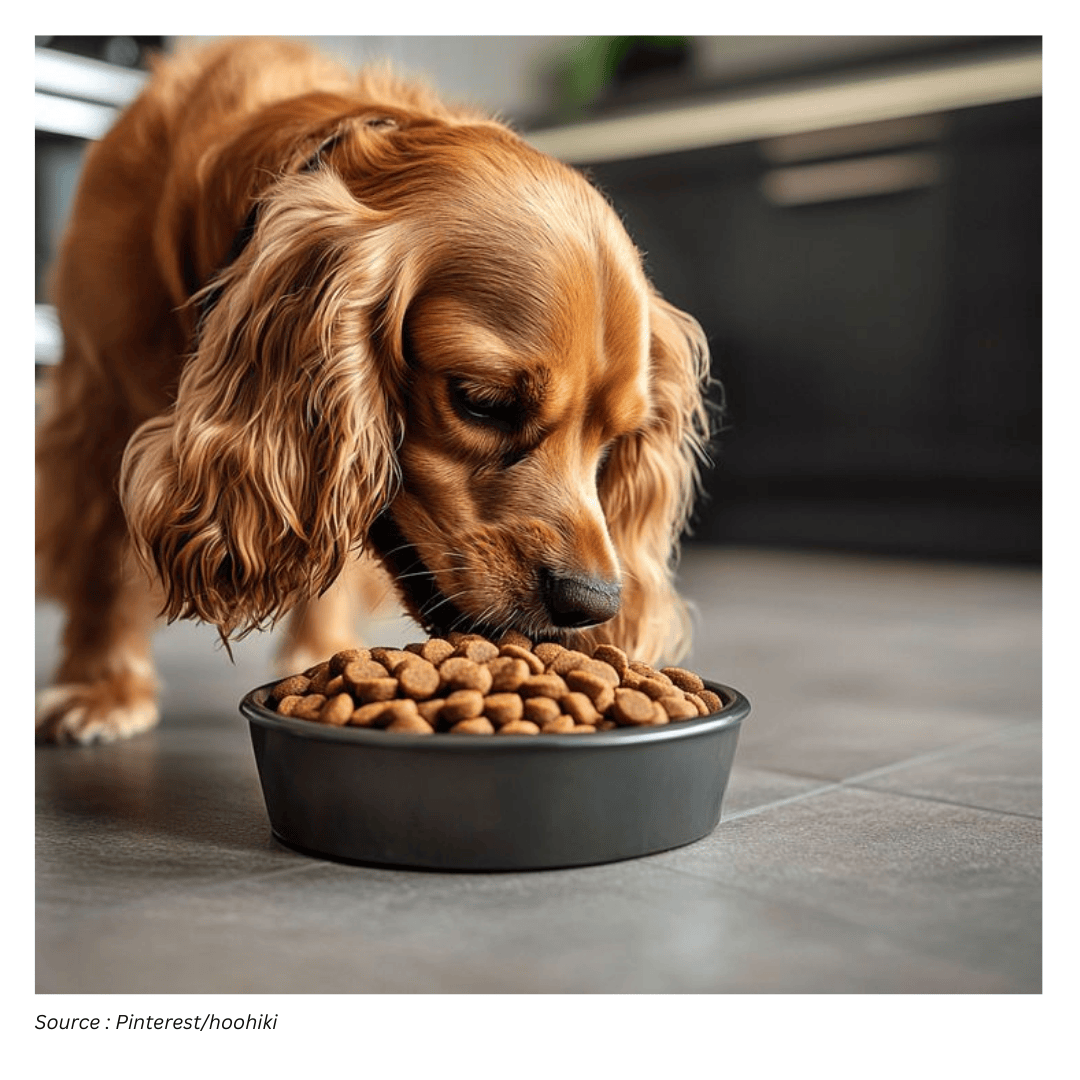
Dog food labels can feel like a wall of unfamiliar terms: meals, byproducts, beet pulp, omega fatty acids, prebiotics, probiotics, and more. Yet the basics of choosing a healthy option are approachable when you know what to look for. With guidance from veterinarians, the recipes below stood out as strong candidates across different needs—wet and dry formats, adult and senior-leaning profiles, and even high-fiber and gently cooked choices.
This guide focuses on what the provided recipes clearly show: their main protein sources, carbohydrate choices, functional “extras,” and their macronutrient and calorie information. Rather than treating “best” as a one-size-fits-all label, it’s more useful to match a food’s profile to your dog’s activity level, body condition, and preferences.
What veterinarians typically emphasize when evaluating dog food
From the information included with these recipes, a few practical evaluation points stand out:
Primary protein sources: Many formulas list chicken, fish, beef, turkey, pork, liver, or various meals/byproduct meals as leading ingredients. These indicate where much of the protein is coming from.
Carbohydrate and fiber sources: Common carbs in these recipes include rice, barley, oatmeal, wheat, corn, and brown rice. Fiber often comes from beet pulp, powdered cellulose, and in some cases inulin.
Functional additions: Several foods include omega fatty acids (often from fish oil), prebiotics/probiotics, glucosamine, chondroitin, and L-carnitine—ingredients that are frequently included to support specific health goals.
Macronutrient balance: Protein, fat, and fiber percentages provide a quick snapshot of how a recipe is built. Across these options, protein ranges from about 22% to 39% (as listed), fat from about 8% to 22.7%, and fiber from about 1.9% to 12.63%.
Calorie density: Calories per cup (for dry) or per can (for wet) can make a major difference in portion size. The recipes here range from 243 kcal per cup up to 456 kcal per cup, and around 345–370 kcal per 13-ounce can (with one recipe listing 345 kcal per can and 25.5 kcal per ounce).
10 recipes that stood out (with key nutrition details)
Below are the 10 recipes highlighted, summarized in a consistent way so you can compare them more easily.
1) Chicken and poultry byproduct meal with rice, whole grains, and beet pulp (dry)
This dry recipe leads with chicken and poultry byproduct meal as its main protein sources. On the carbohydrate side, it includes rice, whole grain wheat, and whole grain corn. For fiber, it uses beet pulp.
It also includes several “healthy extras”: glucosamine, omega fatty acids, prebiotics, and probiotics. The listed nutrition profile is 26% protein, 16% fat, and 3% fiber, and it’s described as a good option for moderately active, normal-weight dogs. Calorie density is 369 kcal per cup.
2) Chicken, chicken meal, and turkey meal with barley, oatmeal, and brown rice (dry)
Designed as a kibble for adult dogs of all breeds, this recipe’s protein base is a trio: chicken, chicken meal, and turkey meal. Carbohydrates include barley, oatmeal, and brown rice.
The guaranteed analysis listed is 22% protein, 12% fat, and 4.5% fiber, described as ideal for healthy, active, normal-weight adult dogs. Energy content is 329 kcal per cup.
3) Beef and pork liver with whole grain corn, barley, and beet pulp (wet)
This wet food is positioned for adult dogs ages 1 to 6 years. Its primary protein sources are beef and pork liver. Carbohydrates include whole grain corn and cracked pearled barley, and it contains prebiotic dried beet pulp.
Its nutritional breakdown is 25.5% protein, 14.2% fat, and 1.9% fiber. Calorie content is listed as 363 kcal per 13-ounce can.
4) Chicken, poultry byproduct meal, and fish meal with rice and multiple corn and wheat ingredients (dry)
This dry recipe uses chicken, poultry byproduct meal, and fish meal as its main proteins. Carbohydrates include rice, corn gluten meal, whole grain corn and wheat, and corn germ meal.
For functional fats, it provides omega fatty acids from fish oil and linoleic acid from soybean oil. The listed analysis is 28% protein, 18% fat, and 3% fiber. It is also one of the most calorie-dense options here at 456 kcal per cup.
5) Pork byproducts, pork liver, chicken, and chicken byproducts with added L-carnitine and fish oil (wet)
This wet recipe has a complex protein lineup: pork byproducts, pork liver, chicken, chicken byproducts, and pork plasma. Its top carbohydrate sources are wheat flour and wheat gluten.
For fiber, it includes powdered cellulose and beet pulp. Notable additions include L-carnitine, glycine, and fish oil. The nutrition profile is 39.13% protein, 15.21% fat, and 12.63% fiber, with 345 kcal per can (or 25.5 kcal per ounce).
6) Chicken and poultry byproduct meal with rice and whole grains; feeding-trial-tested (dry)
This dry recipe lists chicken and poultry byproduct meal as main proteins and uses rice, whole grain corn, and whole grain wheat as carbohydrate sources. A key point noted is that it has undergone feeding trials to help ensure its nutrition.
The listed analysis is 29% protein, 17% fat, and 3% fiber, with 397 kcal per cup. It’s recommended in the provided information for moderately active small breed dogs.
7) Chicken byproduct meal and corn protein meal with beet pulp, fish oil, and joint-support add-ins (dry, large-breed)
This large-breed dry recipe uses chicken byproduct meal and corn protein meal as its main proteins. Carbohydrates include wheat and brown rice.
It includes a set of beneficial additions: dried plain beet pulp, fish oil, L-carnitine, glucosamine, and chondroitin. The nutritional breakdown is 24% protein, 15% fat, and 3.2% fiber, with 360 kcal per cup.
8) Fish, liver, and salmon with rice, oatmeal, and inulin (wet)
This wet recipe centers on seafood and organ proteins: fish, liver, and salmon. Its standout carbohydrates are rice and oatmeal. It also includes inulin, described as a dietary fiber that promotes digestion and supports gut health.
The listed nutrition profile is 35% protein, 22.7% fat, and 2.6% fiber. Each 13-ounce can contains 370 kcal.
9) Chicken meal with multiple grains plus cellulose, beet pulp, and L-lysine; feeding-trial-tested (dry)
This dry recipe lists chicken meal as a lean protein source and notes that it is feeding-trial-tested. Carbohydrates include cracked pearled barley, whole grain wheat, whole grain corn, brewers rice, and whole grain oats.
It includes powdered cellulose and dried beet pulp, along with L-lysine. The analysis is 25.3% protein, 8.1% fat, and 12.2% fiber. It is also the lowest-calorie dry option listed here at 243 kcal per cup.
10) Gently cooked fresh frozen, shelf-stable meals, variety packs, and special diets (fresh-cooked line)
Beyond traditional wet and dry formats, one highlighted option is a line that offers six gently cooked fresh frozen recipes, four shelf-stable meals, variety packs, and special diets. The information provided notes these are backed by industry-leading research.
How to compare these recipes in a practical way
If you’re deciding among options like these, it can help to compare them through a few straightforward lenses—especially when multiple recipes may look “good” at first glance.
Pick a format your dog will reliably eat: The list includes both dry kibble and wet canned foods, plus gently cooked fresh frozen and shelf-stable meals. Consistency matters: the “best” nutrition doesn’t help if your dog won’t eat it.
Match calories to portion size: Dry foods here range from 243 to 456 kcal per cup. Wet foods cluster around the mid-300s per can (with one listing 345 kcal per can and 25.5 kcal per ounce). Calorie density influences how much you’ll feed and can affect weight management.
Use protein/fat/fiber to narrow the field: For example, some recipes emphasize higher fiber (such as the wet recipe with 12.63% fiber or the dry recipe with 12.2% fiber), while others have higher fat (such as the wet fish-based recipe with 22.7% fat).
Look for functional extras you value: Across these recipes, you’ll see prebiotics, probiotics, omega fatty acids, glucosamine, chondroitin, and L-carnitine. The presence of these add-ins can be a deciding factor if you’re prioritizing digestion support, skin and coat support, or joint-focused formulations.
Consider foods noted as feeding-trial-tested: Two dry recipes explicitly mention that they have undergone feeding trials. If this matters to you, it can be a useful differentiator when comparing similar-looking labels.
Bottom line
These 10 recipes stand out because they provide clear, comparable details: identifiable protein sources (from chicken and turkey to beef, pork liver, and fish), recognizable carbohydrate bases (such as rice, barley, oatmeal, wheat, and corn), and a range of functional additions (including omega fatty acids, prebiotics/probiotics, glucosamine, chondroitin, and L-carnitine). Just as importantly, they list macronutrient percentages and calorie counts that make it easier to match a formula to your dog’s needs.
When choosing among them, focus on fit: your dog’s life stage, activity level, and how calorie-dense the food is per cup or per can. From there, the ingredient list and the presence of specific add-ins can help you select a recipe that aligns with your priorities.