
Choosing the Best Kitten Food: A Practical Guide for New Cat Parents
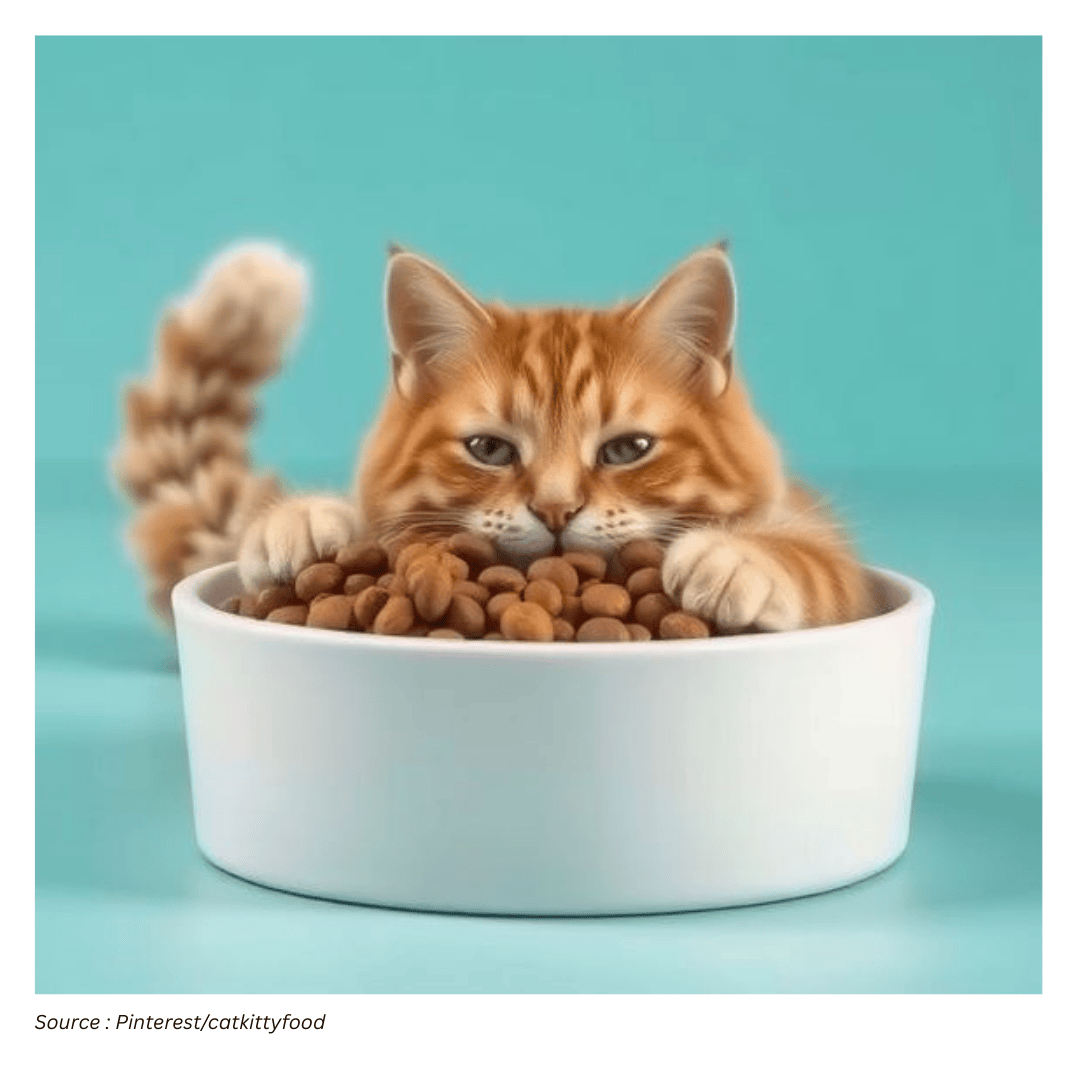
Bringing Home a Kitten: Why Food Choices Matter Early
Welcoming a new kitten into your home is an exciting milestone. The first days are often filled with curiosity—your kitten exploring unfamiliar corners, testing out new sounds, and learning the rhythms of your household. Alongside the fun, there is also a practical responsibility that shapes your kitten’s health from the start: choosing a diet that supports growth and overall development.
During kittenhood, the body changes quickly. Bones are developing, muscles are forming, and energy needs are high. Nutrition is not just about keeping your kitten full; it’s about supplying the building blocks that help them grow into a healthy adult cat. Many cat parents find that selecting the “best” kitten food can feel overwhelming because there are so many options and opinions. The most useful approach is to focus on what kittens generally need, then narrow choices based on your kitten’s age and health—with guidance from a veterinarian when needed.
What a Balanced Kitten Diet Supports
Kittens require a balanced and nutritious diet to support their growing bones and their overall development. Like humans, they need a mix of nutrients that work together. Rather than viewing food as a single decision—wet versus dry, brand A versus brand B—it helps to think in terms of nutritional balance and suitability for your kitten’s life stage.
A well-chosen kitten diet is intended to help your kitten grow up healthy, strong, and full of energy. That energy shows up in the classic kitten behaviors: pouncing, playing, and exploring. While those behaviors are adorable, they also reflect a body that is demanding fuel and nutrients to keep up with rapid growth.
Core Nutrients Kittens Need
In broad terms, kittens need the right mix of protein, fiber, carbohydrates, and essential nutrients. Each of these plays a role in supporting growth and everyday function. The goal is not to chase a single “magic” ingredient, but to select a food designed to meet kitten needs during this crucial stage.
Protein: Supports growth and development, helping kittens build and maintain the tissues they need as they mature.
Fiber: Contributes to a balanced diet and helps support normal digestive function as part of an overall nutritional approach.
Carbohydrates: Provide a source of energy as part of a complete diet, helping support active play and daily movement.
Essential nutrients: A broad category that includes the nutrients kittens need to support healthy development during growth.
Because kittens are in a period of intense development, the “best food for kitten health” is one that reliably delivers balanced nutrition in a way your kitten can eat and tolerate.
Wet Food, Dry Food, and Formula: Understanding the Main Options
When it comes to feeding your kitten, the type of food you choose will depend not only on their health, but also on their age. Many new cat parents start by asking whether wet or dry food is better. In practice, the decision is often more nuanced, especially if you are caring for a very young kitten who is still weaning.
Broadly, kitten feeding options fall into three common categories:
Kitten formula: A consideration for very young kittens who are not yet ready for standard kitten foods.
Wet kitten food: A common choice for kittens once they are ready for solid foods, often used during and after the weaning stage.
Dry kitten food: Another common option for kittens who are ready for solid foods, sometimes chosen for convenience or preference.
The key is matching the food form to your kitten’s current stage. If you have a weaning kitten, you may need to think differently than you would for an older kitten who is already eating confidently.
Age and Health: The Two Biggest Factors in Choosing Food
Two kittens of the same breed can have different needs depending on age and health. That is why a one-size-fits-all recommendation rarely works in real life. The food you choose should align with where your kitten is in development and whether there are any health considerations that affect feeding.
Age matters because it influences what your kitten can eat and how they transition from one stage to the next. Health matters because it can change what is appropriate, even within the same age group. For example, if you are caring for a kitten who is still weaning, the conversation may include whether you need to invest in kitten formula before moving to wet or dry kitten food.
In other words, the “best” option is not just the most popular product on a list; it is the option that fits your kitten’s present situation.
The Role of Your Veterinarian
Your veterinarian can help you determine the best kitten food, especially if you have a weaning kitten or need to consider kitten formula before introducing wet or dry kitten food. This is an important point for new cat parents: you do not have to make the decision alone, and you should not feel pressured to guess if you are unsure.
A veterinarian’s input is particularly valuable when you are navigating early feeding decisions, because the transition from formula to solid food (or from one type of solid food to another) can raise questions about timing, tolerance, and overall nutrition. Even if your kitten seems healthy and energetic, a quick conversation about diet can help you feel confident that you are supporting long-term health.
What “Reviewed by Veterinary Experts” Can—and Can’t—Mean for You
Many cat parents look for reassurance that a product has been reviewed by veterinarians or experts. Expert review can be helpful because it suggests the product has been evaluated with kitten health in mind. At the same time, it is still important to remember that your kitten is an individual. A food that is well-regarded in general may not be the best fit for every kitten in every household.
Think of expert review as one layer of decision-making support. It can help narrow the field. But the final choice should still consider your kitten’s age, health, and how they respond to the food you provide.
How to Approach Kitten Food Selection Step by Step
If you are feeling stuck, it helps to use a simple process. The goal is not to find a perfect answer on day one; the goal is to make a thoughtful choice and adjust if needed with professional guidance.
Start with your kitten’s stage: Consider whether your kitten is weaning, newly weaned, or already established on solid foods.
Prioritize balanced nutrition: Look for a diet that provides an appropriate mix of protein, fiber, carbohydrates, and essential nutrients for growth.
Match the food type to the kitten: Decide whether kitten formula is necessary, or whether wet or dry kitten food is more suitable at this time.
Consult your veterinarian: Especially important if you are unsure about transitions, feeding a weaning kitten, or addressing any health concerns.
Observe and reassess: Monitor your kitten’s energy, playfulness, and overall well-being as you continue feeding.
This approach keeps the focus on your kitten’s development and helps you avoid getting lost in marketing claims or overly complicated comparisons.
Common Questions New Kitten Owners Ask
Even with a clear framework, new cat parents often have practical questions. While specific feeding plans should be discussed with a veterinarian, these general questions can help you clarify what you are trying to solve.
“Should I choose wet or dry kitten food?” The best choice depends on your kitten’s age and health, and what they are ready to eat.
“Do I need kitten formula?” If you have a weaning kitten or a kitten not ready for standard foods, formula may be part of the plan. Your veterinarian can guide you.
“What does ‘balanced nutrition’ really mean for kittens?” It means providing the right mix of protein, fiber, carbohydrates, and essential nutrients to support growth and development.
“Why does kitten food matter so much?” Kittens are in a crucial growth stage, and nutrition supports healthy bones, development, and the energy they need to play and thrive.
Focusing on the Outcome: Healthy Growth and Everyday Vitality
It is easy to get caught up in the idea of finding the single “best” kitten food. A more helpful goal is to choose a diet that supports healthy growth and development—one that helps your kitten grow strong and stay energetic. When kittens are well-supported nutritionally, you are more likely to see the signs most cat parents hope for: steady growth, lively play, and the confidence to explore their environment.
Because kittens change quickly, feeding is not a one-time decision. It is a process that evolves as your kitten moves from weaning to solid foods and continues growing. Keeping your veterinarian involved—especially early on—can make that process smoother and less stressful.
Final Thoughts
Feeding a kitten is one of the most important ways you support their well-being from the beginning. A balanced diet with the right mix of protein, fiber, carbohydrates, and essential nutrients helps meet the demands of rapid growth and development. The type of food you choose—formula, wet, or dry—should reflect your kitten’s age and health, and your veterinarian can help you make the best decision, particularly if you are caring for a weaning kitten.
With a thoughtful approach and professional guidance when needed, you can feel confident that you are giving your new kitten a strong nutritional foundation for a healthy, energetic life.